
Museum Island Hombroich
Overview
Museum Island Hombroich is a unique art museum located in the picturesque region of Neuss, Germany. This innovative institution merges art with nature, creating an immersive experience that is both contemplative and inspiring. Set against a backdrop of lush greenery, Museum Island Hombroich is not just a destination for art lovers but also for those who appreciate the serenity of nature. The museum’s design encourages visitors to explore the relationship between artistic expression and the environment, making it a significant cultural landmark.
The museum offers a diverse collection of modern and contemporary art, highlighting the works of various artists while fostering an understanding of artistic processes in a natural setting. Visitors can stroll through the expansive grounds, where art installations are interspersed among the trees and fields, inviting them to engage with both the art and the landscape. This integration of art and nature enhances the experience, inviting reflection and contemplation.
The museum’s commitment to creating a harmonious environment underscores its significance in the art world, positioning it as a destination for those seeking inspiration and creativity. Whether you are an art aficionado or simply curious about the intersection of nature and art, Museum Island Hombroich promises a memorable visit that stimulates the mind and nourishes the spirit.
History and Significance
Museum Island Hombroich originated from the vision of its founder, who sought to create a space where art could coexist with nature. The museum has gained recognition for its unique approach to showcasing art in an open environment, allowing visitors to experience works in a context that emphasizes their relationship with the natural world. This innovative concept encourages a deeper appreciation of art by providing an atmospheric backdrop that enhances the viewing experience.
Over the years, Museum Island Hombroich has played a significant role in the cultural landscape of Germany, attracting visitors from around the globe. Its collection features a range of modern and contemporary artworks, showcasing renowned artists alongside emerging talents. The museum’s commitment to education and engagement has fostered a community of art lovers and has inspired numerous events, exhibitions, and workshops, further solidifying its status as a cultural hub.
The museum also emphasizes the importance of collaboration between artists and architects. The site features structures designed by notable architects who have contributed to the museum’s unique aesthetic. This interplay between art and architecture adds to the overall experience, allowing visitors to appreciate the creative process in multiple forms. Museum Island Hombroich is more than just a museum; it is a living testament to the enduring relationship between art and nature, inviting visitors to explore, reflect, and connect.
Architecture and Features
The architectural design of Museum Island Hombroich is integral to its identity, emphasizing a dialogue between art and the surrounding landscape. The museum features a series of pavilions and open spaces, each carefully integrated into the natural environment. These structures are thoughtfully placed among trees and meadows, allowing visitors to experience art in a setting that feels both serene and invigorating.
Notable features of the museum include its minimalist pavilions, which are designed to harmonize with the landscape rather than dominate it. The use of natural materials and simple forms reflects the museum’s philosophy of blending art with nature. Each pavilion is dedicated to different aspects of the collection and invites visitors to explore art from various perspectives. The layout encourages a leisurely exploration, with pathways leading visitors through art installations that are seamlessly interwoven with the environment.
The site also includes outdoor areas where sculptures and installations can be viewed in an open-air setting. This arrangement allows for an interactive experience, where visitors are not just passive observers but active participants in the dialogue between art and nature. The thoughtful integration of artworks into the landscape creates a unique atmosphere that enhances the overall experience, making Museum Island Hombroich a distinctive destination for art enthusiasts and nature lovers alike.
Visiting Information
Visiting Museum Island Hombroich offers a unique opportunity to engage with art in a tranquil natural setting. To reach the museum, visitors can utilize various transport options. Public transportation is available, with nearby bus and train services connecting to major cities in the region. For those driving, there are parking facilities available on-site.
It is advisable to check the official website for current information regarding opening hours and ticket prices, as these can vary throughout the year. Visitors can expect to spend approximately two to three hours exploring the museum and its grounds, allowing ample time to appreciate the art installations and the surrounding landscape.
The best times to visit are during the spring and autumn months, when the weather is mild, and the gardens are particularly vibrant. These seasons provide a picturesque backdrop for enjoying both the art and nature. However, during peak tourist seasons, it may be beneficial to visit earlier in the day or later in the afternoon to avoid larger crowds.
Museum Island Hombroich encourages a leisurely approach to viewing art, inviting visitors to take their time and immerse themselves in the experience. The combination of art and nature makes for a captivating outing that is sure to leave a lasting impression.
Nearby Attractions
While visiting Museum Island Hombroich, there are several nearby attractions worth exploring:
Neuss City Center: A short drive away, Neuss offers a range of shops, cafes, and historical sites, including remnants of its Roman past.
Rheinpark: This beautiful park along the Rhine River provides picturesque walking paths and scenic views, perfect for a relaxing stroll after visiting the museum.
Kunstsammlung NRW: Located in Düsseldorf, this art collection features modern and contemporary works, making it an excellent complement to the visit to Museum Island Hombroich.
Schloss Dyck: A historic castle with beautiful gardens and a museum, Schloss Dyck is a great destination for those interested in history and landscape design.
Düsseldorf’s Altstadt: Known for its vibrant atmosphere, the old town of Düsseldorf is packed with restaurants, bars, and cultural attractions, offering visitors a taste of local life.
Insider Tips
To make the most of your visit to Museum Island Hombroich, consider these insider tips:
Photography: While photography is generally allowed, be mindful of specific exhibition guidelines. Capture the interplay between art and nature, but respect the space and other visitors.
Crowd Avoidance: To avoid the busiest times, plan your visit during weekdays or early in the morning. This will allow for a more peaceful experience as you explore the museum and its grounds.
Dress Comfortably: Given the outdoor nature of the museum, wear comfortable shoes and dress appropriately for the weather. The walking paths and open spaces invite exploration.
Practical Information
Before heading to Museum Island Hombroich, keep the following practical information in mind:
What to Bring: It is advisable to bring water, especially during warmer months, as you may spend significant time outdoors. A light snack can also be helpful, although check for any café facilities on-site.
Seasonal Considerations: The museum can be enjoyed year-round, but visiting during spring or autumn offers pleasant weather and beautiful scenery. In winter, be prepared for colder temperatures, and check if any seasonal events are planned.
Accessibility: If you have specific accessibility needs, it’s best to check the official website for information on facilities and accommodations available at the museum.
Frequently Asked Questions
How long should I spend visiting?
A visit typically lasts around two to three hours, allowing ample time to explore the art installations and the natural surroundings.
Is photography allowed?
Photography is generally permitted, but be sure to respect any specific guidelines regarding exhibitions and other visitors.
Are there guided tours?
Check the official website for information on guided tours, which may provide deeper insights into the art and the museum’s philosophy.
What’s the best time to visit?
The best times to visit are during spring and autumn when the weather is mild and the gardens are vibrant. Weekdays may also be less crowded.
Is it wheelchair accessible?
For specific information regarding wheelchair accessibility, it is advisable to check the official website before your visit.
Can I buy tickets online?
Check the official website for options regarding ticket purchases and availability, as this may vary.
Are there restrooms and cafes?
Facilities such as restrooms are typically available, but it is best to verify the specifics on the official website.
What should I wear?
Dress comfortably and wear suitable footwear for walking, especially since much of the museum experience takes place outdoors.
More in North Rhine-Westphalia

Aachen Cathedral
📍 North Rhine-Westphalia, Germany
Aachen Cathedral, a magnificent Roman-Catholic structure located in the historic city of Aachen, Germany, is a masterpiece of architectural design and …

Aachen Cathedral Treasury
📍 North Rhine-Westphalia, Germany
Aachen Cathedral Treasury, located in the historic city of Aachen, Germany, is a remarkable art museum that houses an impressive collection of …

Aachen Chapel of Hungary
📍 North Rhine-Westphalia, Germany
The Aachen Chapel of Hungary, a significant part of the Aachen Cathedral complex in Germany, serves as an emblem of the cultural exchange between …

Aachen-Rothe Erde station
📍 North Rhine-Westphalia, Germany
Aachen-Rothe Erde station serves as a crucial node in the intricate web of Germany’s railway network, located in the vibrant city of Aachen. This …

Aachener Tierpark Euregiozoo
📍 North Rhine-Westphalia, Germany
The Aachener Tierpark Euregiozoo, located in the heart of Aachen-Mitte, Germany, is a captivating destination for animal lovers and families alike. …

Abtei Mariendonk
📍 North Rhine-Westphalia, Germany
Abtei Mariendonk, a serene monastery located in the tranquil region of Grefrath, Germany, invites visitors to explore its spiritual and architectural …
More Art Museums
Aachen Cathedral Treasury
📍 North Rhine-Westphalia, Germany
Aachen Cathedral Treasury, located in the historic city of Aachen, Germany, is a remarkable art museum that houses an impressive collection of …

Abteiberg Museum
📍 North Rhine-Westphalia, Germany
In the heart of Mönchengladbach, Germany, the Abteiberg Museum stands out as a prominent destination for art enthusiasts and cultural explorers alike. …

Akademisches Kunstmuseum
📍 North Rhine-Westphalia, Germany
In the heart of Bonn, Germany, lies the Akademisches Kunstmuseum, an art museum that invites visitors to explore a diverse collection of artworks …

Albertinum
📍 Saxony, Germany
Albertinum is a prominent art museum located in the heart of Dresden, Germany, serving as a significant cultural institution in the region. …

Albrecht Dürer's House
📍 Bavaria, Germany
Albrecht Dürer’s House stands as a significant cultural landmark in Nuremberg, Germany, celebrating the life and work of one of the Renaissance’s most …
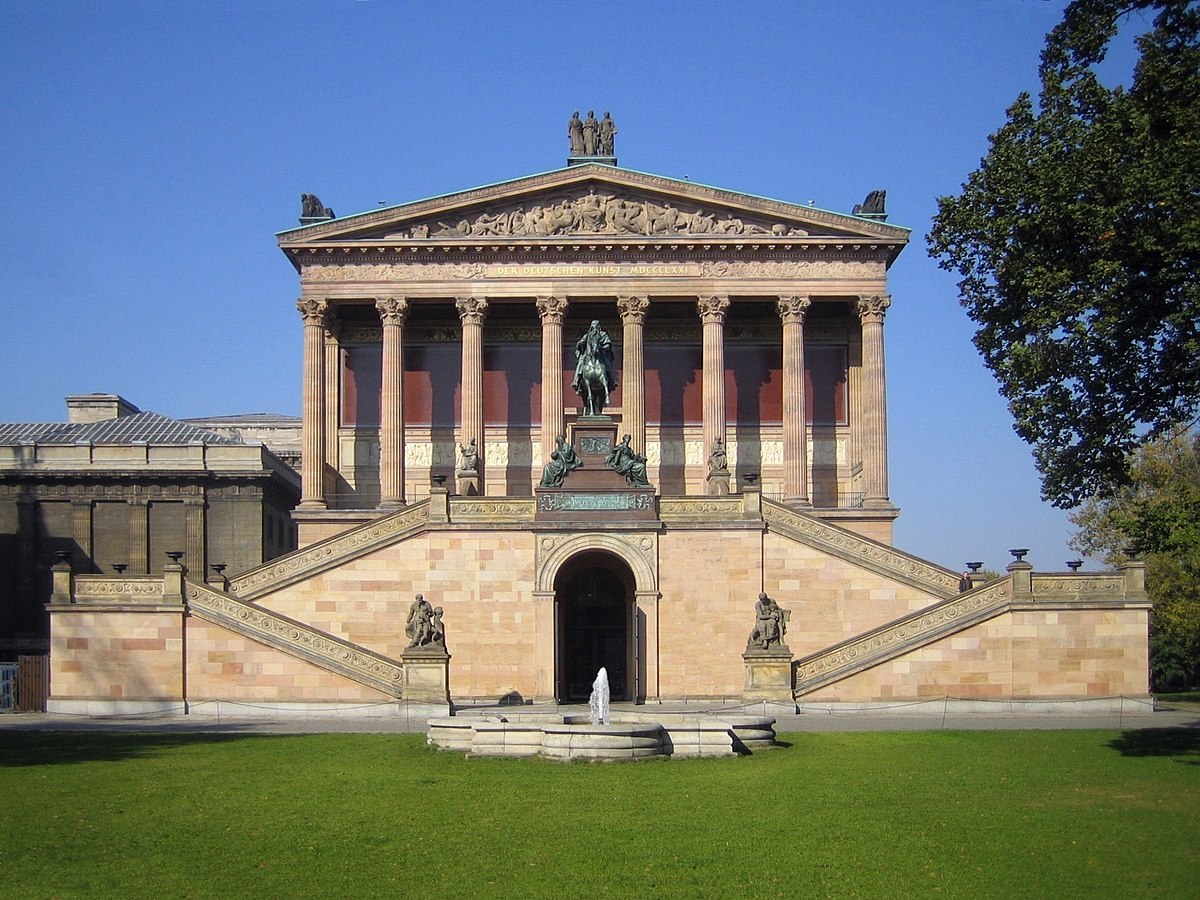
Alte Nationalgalerie
📍 Berlin, Germany
The Alte Nationalgalerie, an esteemed art museum located in Berlin’s Bezirk Mitte, is a cornerstone of cultural appreciation in Germany. This museum …