
Museum im Kulturspeicher Würzburg
Overview
Museum im Kulturspeicher Würzburg is a notable art museum situated in the historic city of Würzburg, Germany. This museum occupies a significant space in the cultural landscape of the region, showcasing a diverse range of art that reflects both local and broader European influences. Housed in a converted grain storage facility, the museum serves as an innovative platform for contemporary and historical exhibitions, making it a vital destination for art enthusiasts and casual visitors alike.
Würzburg, located in the heart of Bavaria, is known for its baroque architecture and rich cultural heritage, with sites such as the Würzburg Residence, a UNESCO World Heritage site. The museum’s location in this historic city underscores its importance, allowing visitors to explore a blend of art, history, and architecture.
As you step into the Museum im Kulturspeicher, you can anticipate a thoughtfully curated experience that connects the past with the present. With a commitment to fostering an appreciation for art, the museum engages the community and visitors through a variety of exhibitions, lectures, and educational programs.
History and Significance
The Museum im Kulturspeicher Würzburg has evolved into a prominent cultural institution since its inception. The transition of the building from a grain storage facility to an art museum marks a significant repurposing of space, reflecting modern values in cultural preservation and accessibility. The museum was designed to serve not only as an exhibition space but also as a center for dialogue about art and its impact on society.
This transformation is emblematic of broader trends in museum practices, where adaptive reuse of historic structures is increasingly common. By converting a former industrial building into a hub of creativity, the museum has played a key role in revitalizing the surrounding area and enhancing the cultural experience in Würzburg.
The significance of the museum goes beyond its architectural transformation; it is also a platform for contemporary art, showcasing works from both established and emerging artists. The exhibitions often highlight the interconnectedness of art movements across time and geography, providing visitors with insights into the evolution of artistic expression in Europe.
In addition to its exhibitions, the museum is involved in various educational initiatives, aiming to engage visitors of all ages in the appreciation of art. This commitment to education ensures that the museum remains relevant and accessible, fostering a deeper understanding of art’s role in society.
Architecture and Features
The architectural design of the Museum im Kulturspeicher Würzburg is a notable feature, characterized by its conversion from a utilitarian grain storage building into a refined art space. The structure maintains its industrial aesthetic while integrating modern elements that enhance its functionality as a museum.
The exterior of the museum showcases the original brickwork of the grain storage facility, preserving the historical integrity of the building. This juxtaposition of old and new creates an inviting atmosphere for visitors. Inside, the museum is designed with spacious galleries that allow for flexible exhibition layouts, accommodating a variety of artistic expressions.
Natural light plays a significant role in the interior design, with strategically placed windows that illuminate the artwork while providing a serene ambiance. The layout of the museum encourages exploration and interaction, with pathways that guide visitors through the diverse collections and exhibitions.
Notable features of the museum include its commitment to temporary exhibitions, which rotate regularly to keep the experience fresh for repeat visitors. The integration of modern technology in interactive displays enhances the educational aspect of the museum, providing deeper insights into the artworks and their creators.
Visiting Information
When planning a visit to the Museum im Kulturspeicher Würzburg, it is advisable to check the official website for current information regarding hours and ticket prices. The museum typically offers a range of options for visitors, including individual tickets and group rates.
Getting to the museum is convenient, with various modes of transportation available. Public transport options are plentiful, making it easily accessible for both locals and tourists. The surrounding area is pedestrian-friendly, allowing for a pleasant stroll from nearby attractions.
Most visitors find that spending about two hours at the museum is sufficient to explore the exhibits thoroughly. This timeframe allows for a relaxed experience, with the opportunity to engage with the art and participate in any available educational programs.
The best times to visit are during weekdays, when the museum is typically less crowded, providing a more intimate experience. Special events and opening nights for exhibitions can attract larger crowds, so planning ahead is recommended if you wish to avoid busier times.
Nearby Attractions
Würzburg is home to several other attractions that complement a visit to the Museum im Kulturspeicher. Here are a few notable sites nearby:
Würzburg Residence: A UNESCO World Heritage site, this baroque palace is renowned for its stunning architecture and beautifully landscaped gardens, making it a must-see for anyone exploring Würzburg.
Marienberg Fortress: Overlooking the city, this historic fortress offers panoramic views and insights into Würzburg’s history, complete with a museum detailing its past.
St. Kilian Cathedral: This impressive cathedral is an architectural marvel known for its twin towers and intricate interior, reflecting the region’s ecclesiastical heritage.
Old Main Bridge: A picturesque bridge adorned with statues, it serves as a beautiful spot for photos and provides access to the vibrant atmosphere of the Old Town.
Market Square (Marktplatz): The heart of Würzburg, this bustling square is surrounded by shops and cafes, providing a lively atmosphere for visitors looking to enjoy local cuisine and culture.
Insider Tips
For optimal photography opportunities, consider visiting during the early morning or late afternoon when natural light enhances the artwork’s colors and textures. Avoid weekends if possible, as these tend to be busier, allowing for a more peaceful experience during the week.
Engaging with museum staff can greatly enhance your visit. They often have insights into the exhibitions and can provide context that enriches your understanding of the artworks on display.
Practical Information
When visiting the Museum im Kulturspeicher, it is advisable to bring a camera, though be sure to check the museum’s photography policy upon arrival. Comfortable footwear is recommended, as visitors may spend considerable time walking through the galleries.
Seasonal considerations include checking for any special exhibitions or events that may coincide with your visit. The museum’s official website is a valuable resource for current information regarding any seasonal programs or activities.
Frequently Asked Questions
How long should I spend visiting?
Most visitors find that two hours allows ample time to explore the exhibitions and engage with the art.
Is photography allowed?
Photography policies vary, so it’s best to check the museum’s guidelines upon arrival.
Are there guided tours?
Guided tours may be available; check the official website for details on scheduling and availability.
What’s the best time to visit?
Weekdays typically offer a quieter experience, while weekends may be busier due to higher visitor numbers.
Is it wheelchair accessible?
Accessibility details can vary; please consult the official website for specific information on facilities and accommodations.
Can I buy tickets online?
Ticket purchasing options, including online sales, should be verified on the museum’s official website.
Are there restrooms and cafes?
Visitor amenities such as restrooms and cafes can be confirmed through the museum’s official resources.
What should I wear?
Dress comfortably, and consider the weather, especially if planning to explore outdoor attractions in the vicinity.
More in Bavaria

8. November 1939 (Denkmal)
📍 Bavaria, Germany
The 8. November 1939 (Denkmal) stands as a poignant monument in Munich, Germany, marking a significant moment in the nation’s history. Dedicated to …

Abbey of St. Nikola in Passau
📍 Bavaria, Germany
The Abbey of St. Nikola in Passau stands as a significant religious and cultural landmark in this historic German city. Located at coordinates …

Abensbergerdenkmal
📍 Bavaria, Germany
The Abensbergerdenkmal, a notable monument located in Freising, Upper Bavaria, Germany, serves as an evocative reminder of the region’s historical and …
Abrechen (München)
📍 Bavaria, Germany
Abrechen in München is a bridge that plays a significant role in the connectivity of this bustling German city. Located at coordinates 48.1357, …
Abschnittsbefestigung Andechs
📍 Bavaria, Germany
The Abschnittsbefestigung Andechs, a striking castle located in the scenic region of Andechs, Germany, offers a fascinating glimpse into the …
Abschnittsbefestigung im Taitinger Holz
📍 Bavaria, Germany
The Abschnittsbefestigung im Taitinger Holz represents an intriguing chapter in Germany’s medieval architectural narrative. Located in Bavaria, this …
More Art Museums

Aachen Cathedral Treasury
📍 North Rhine-Westphalia, Germany
Aachen Cathedral Treasury, located in the historic city of Aachen, Germany, is a remarkable art museum that houses an impressive collection of …

Abteiberg Museum
📍 North Rhine-Westphalia, Germany
In the heart of Mönchengladbach, Germany, the Abteiberg Museum stands out as a prominent destination for art enthusiasts and cultural explorers alike. …

Akademisches Kunstmuseum
📍 North Rhine-Westphalia, Germany
In the heart of Bonn, Germany, lies the Akademisches Kunstmuseum, an art museum that invites visitors to explore a diverse collection of artworks …

Albertinum
📍 Saxony, Germany
Albertinum is a prominent art museum located in the heart of Dresden, Germany, serving as a significant cultural institution in the region. …

Albrecht Dürer's House
📍 Bavaria, Germany
Albrecht Dürer’s House stands as a significant cultural landmark in Nuremberg, Germany, celebrating the life and work of one of the Renaissance’s most …
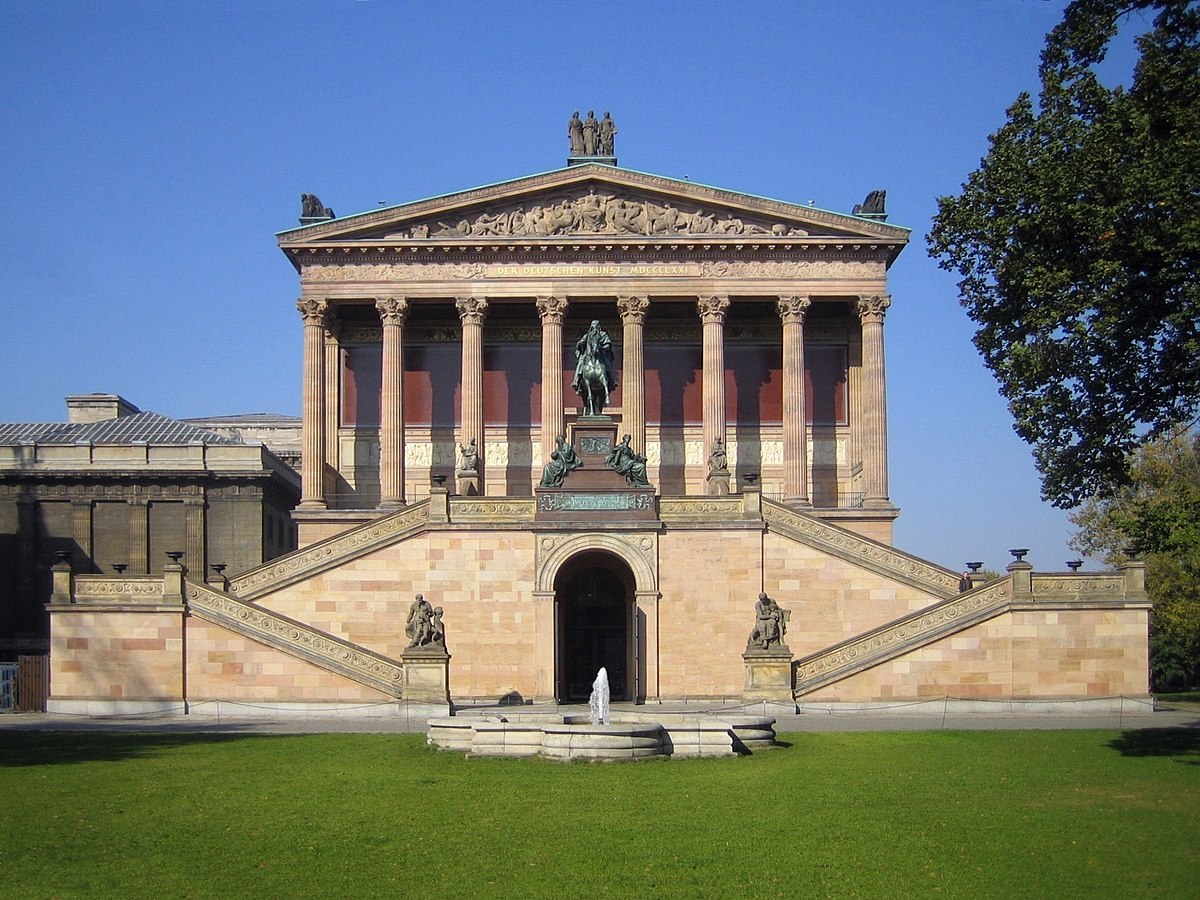
Alte Nationalgalerie
📍 Berlin, Germany
The Alte Nationalgalerie, an esteemed art museum located in Berlin’s Bezirk Mitte, is a cornerstone of cultural appreciation in Germany. This museum …