
Museum für Bodenschätzung
Overview
The Museum für Bodenschätzung, located in the quaint village of Eickendorf in Bördeland, Germany, serves as a unique cultural institution dedicated to the study and appreciation of soil science and its significance to agriculture, ecology, and the environment. This museum offers visitors an insightful exploration into the vital role that soil plays in our ecosystem, reflecting the deep connection between human activity and natural resources.
Bördeland, known for its rich agricultural landscape, provides a fitting backdrop for the museum, which emphasizes the importance of soil management and sustainability. By showcasing the intricate relationship between soil and human livelihoods, the Museum für Bodenschätzung is an essential stop for anyone interested in environmental science, agriculture, or sustainable practices. Visitors can expect to gain a deeper understanding of soil conservation and its impact on the environment, making this museum an educational experience that resonates with contemporary ecological challenges.
History and Significance
The Museum für Bodenschätzung was established to address the growing need for awareness about soil conservation and to promote research in soil science. While specific founding dates are not available, the museum reflects a broader societal trend toward recognizing the importance of sustainable land use and the preservation of natural resources. As agriculture has evolved, so too has the understanding of the necessity to care for the soil, which is the foundation for food production and biodiversity.
The cultural significance of this museum lies in its commitment to educating the public about soil management practices and their importance to both local and global ecosystems. Through exhibits and educational programs, the museum highlights the critical role that soil plays in supporting agriculture, which is especially pertinent in a region where farming is a key economic driver.
Visitors to the museum can expect to engage with various displays that illustrate the physical and chemical properties of soil, the processes that affect soil health, and the impact of human activity on soil degradation. The museum acts as a resource for farmers, students, and environmental enthusiasts alike, fostering a community of individuals dedicated to promoting sustainable agricultural practices and preserving the environment.
Architecture and Features
The Museum für Bodenschätzung features a design that reflects its educational mission and its integration within the local community. The architecture is characterized by functional spaces that facilitate both learning and interaction. While specific architectural details are not provided, the museum’s layout is designed to encourage exploration and engagement with the exhibits.
Inside, visitors can find a range of displays that feature interactive elements, allowing for hands-on learning about soil composition, types, and the various factors that influence soil health. The exhibits are thoughtfully arranged to guide visitors through different aspects of soil science, from its formation to its essential role in agriculture and the environment.
The museum also serves as a venue for workshops and educational events, promoting ongoing learning and community involvement. By providing a space that fosters dialogue and knowledge exchange, the Museum für Bodenschätzung contributes to the broader conversation about sustainable practices and environmental stewardship.
Visiting Information
When planning a visit to the Museum für Bodenschätzung in Eickendorf, it is advisable to check the official website for current information regarding hours of operation and ticket prices. The museum is accessible by various modes of transportation, making it an easy destination for both locals and travelers.
Visitors can expect to spend approximately two to three hours exploring the exhibits, depending on their level of interest in the subject matter. The museum offers a variety of educational programs and workshops, which may enhance the experience for those seeking a deeper understanding of soil science.
For those considering the best times to visit, weekdays may offer a quieter experience, while weekends might attract more visitors, especially families. Regardless of when you go, the Museum für Bodenschätzung promises an enriching experience centered around the vital topic of soil conservation.
Nearby Attractions
While the Museum für Bodenschätzung is a destination in its own right, there are several nearby attractions worth exploring:
- Bördeland Nature Park: A beautiful natural reserve that showcases the region’s diverse ecosystems, offering opportunities for hiking and birdwatching.
- Eickendorf Village Center: A charming area that features local architecture and small shops, providing a glimpse into community life.
- Historical Agricultural Museum: Located nearby, this museum highlights the agricultural history of the region, complementing the focus of the Museum für Bodenschätzung.
- Cultural Events in Eickendorf: Depending on the season, visitors may find local festivals or events that celebrate the culture and traditions of the area.
Insider Tips
To make the most of your visit to the Museum für Bodenschätzung, consider arriving early in the day to avoid crowds, especially on weekends. This will allow for a more intimate experience with the exhibits.
Photography is generally allowed within the museum, but it is wise to check for any specific restrictions on certain displays. Engaging with the interactive elements of the exhibits can enhance your understanding, so don’t hesitate to participate in any hands-on activities available.
Practical Information
When visiting the Museum für Bodenschätzung, it’s advisable to wear comfortable clothing and shoes, as you may be standing or walking for an extended period. Bringing a water bottle can also be beneficial, especially during warmer months.
For those planning to visit in different seasons, consider the weather conditions, as they can affect travel plans and outdoor activities nearby. Checking the museum’s official website before your visit can provide additional insights into any seasonal events or changes in operating hours.
Frequently Asked Questions
How long should I spend visiting?
Visitors typically spend about two to three hours at the Museum für Bodenschätzung, depending on their interest level.
Is photography allowed?
Photography is generally permitted, but it is advisable to check for any specific restrictions on certain exhibits.
Are there guided tours?
The museum may offer guided tours or educational programs; check the official website for details.
What’s the best time to visit?
Weekdays are usually quieter, while weekends may attract more visitors.
Is it wheelchair accessible?
While specific accessibility details are not provided, it is recommended to check the official website for information regarding wheelchair access.
Can I buy tickets online?
Check the official website for information on ticket purchasing options.
Are there restrooms and cafes?
Amenities such as restrooms may be available on-site; however, check the official website for details regarding cafes or food options.
What should I wear?
Comfortable clothing and shoes are recommended, as visitors may spend a considerable amount of time walking or standing during their visit.
In conclusion, the Museum für Bodenschätzung offers a unique educational experience centered on the vital role of soil in our environment. With its engaging exhibits and commitment to sustainability, it serves as an important resource for visitors of all ages. Whether you’re a local resident or a traveler exploring Bördeland, this museum is a worthwhile destination for understanding the intricate relationship between soil and life.
More in Brandenburg
Agnetenkloster
📍 Brandenburg, Germany
Agnetenkloster, a former monastery located in the heart of Magdeburg, Germany, invites visitors to explore its serene ambiance and historical …

Agroneum
📍 Brandenburg, Germany
Agroneum is a museum located in the serene landscape of Alt Schwerin, Germany. This establishment serves as a vibrant hub for those interested in the …

Alexander Nevsky Memorial Church
📍 Brandenburg, Germany
The Alexander Nevsky Memorial Church in Potsdam, Germany, offers visitors a unique glimpse into the city’s cultural and religious heritage. This …
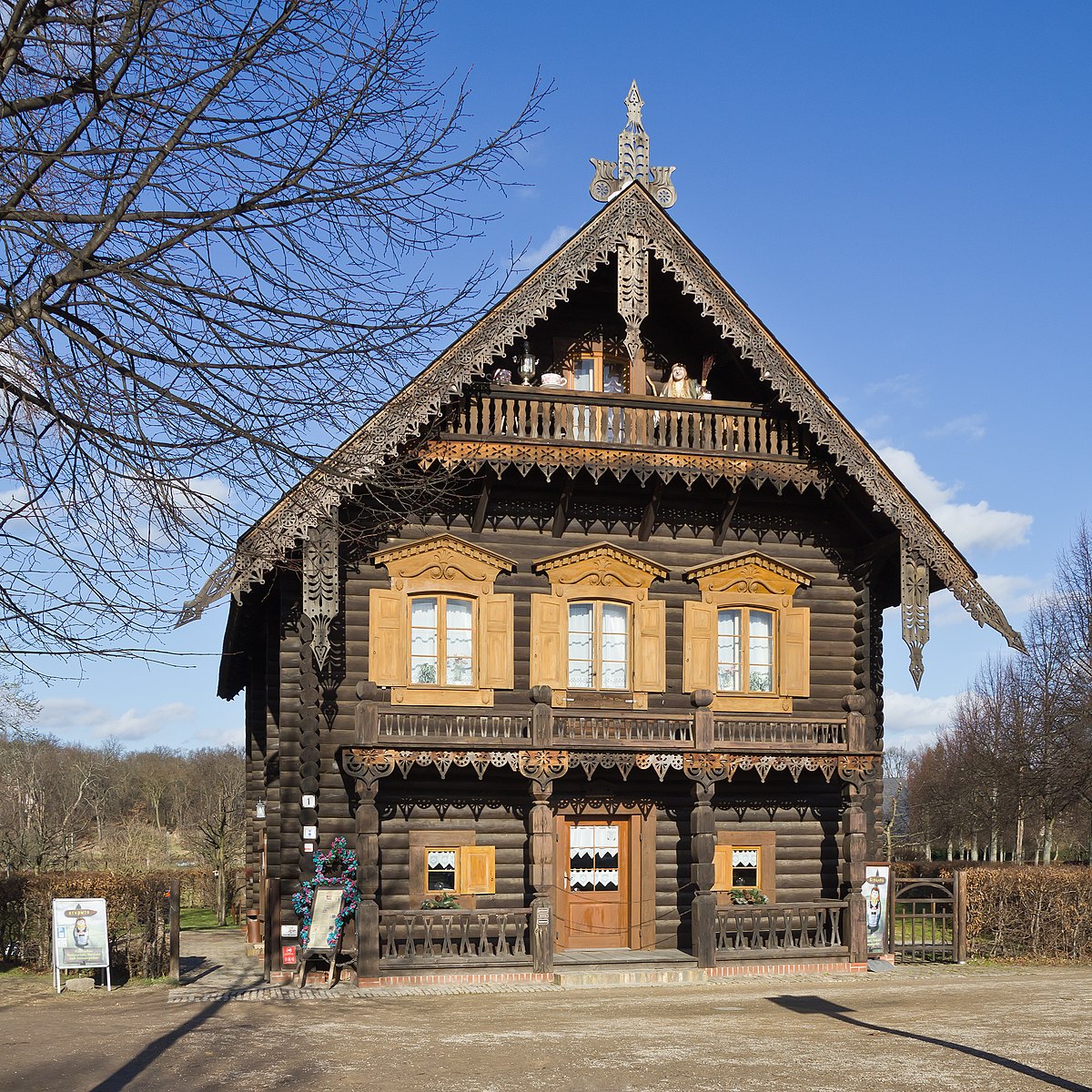
Alexandrowka
📍 Brandenburg, Germany
Located in the picturesque city of Potsdam, Germany, Alexandrowka is an intriguing architectural ensemble that reflects a unique blend of Russian and …

Alte Burg Penzlin
📍 Brandenburg, Germany
Alte Burg Penzlin, a captivating castle located in the quaint town of Penzlin, Germany, serves as a remarkable example of medieval architecture and …

Alte Dorfkirche Röxe
📍 Brandenburg, Germany
The Alte Dorfkirche Röxe stands as a poignant symbol of architectural and cultural history in the Stendal region of Germany. This church building, …
More Museums

Abbey and Altenmünster of Lorsch
📍 Baden-Württemberg, Germany
The Abbey and Altenmünster of Lorsch is a UNESCO World Heritage site located in the charming town of Lorsch, Germany. This significant cultural …
Abenteuermuseum
📍 Rhineland-Palatinate, Germany
The Abenteuermuseum, located in Germany, invites visitors to explore the wonders of adventure through its unique exhibits and engaging experiences. …

Abwasser- und Sielmuseum
📍 Hamburg, Germany
The Abwasser- und Sielmuseum, located in the heart of Hamburg-Mitte, offers a unique glimpse into the city’s historical infrastructure concerning …

Academy of Arts, Berlin
📍 Berlin, Germany
The Academy of Arts in Berlin is not just a museum; it is a prominent national institution dedicated to the advancement of the arts in Germany. …

Ackerbürgermuseum Haus Leck
📍 Hesse, Germany
Ackerbürgermuseum Haus Leck is a culturally significant museum located in Germany’s Grebenstein region, dedicated to preserving and showcasing the …

Active Museum Spiegelgasse
📍 Hesse, Germany
Active Museum Spiegelgasse is a vital institution dedicated to preserving and exploring the German-Jewish history of Wiesbaden, Germany. Located in …