
Museum Brandhorst
Overview
Museum Brandhorst is a distinguished art museum located in the vibrant district of Maxvorstadt, Munich, Germany. This cultural institution is dedicated to modern and contemporary art, showcasing an extensive collection that highlights key movements and significant artists. The museum features works from notable figures in the art world, creating a dynamic space for both art enthusiasts and casual visitors alike. The museum’s collection and exhibitions promise to engage visitors with the evolving narrative of modern artistic expression.
The museum is situated in a region rich with cultural heritage, making it a significant landmark within Munich’s flourishing art scene. Its location within Maxvorstadt, a hub for education and creativity, further enhances its relevance as a destination for those seeking to explore contemporary art. Visitors can expect a thought-provoking experience as they navigate the various exhibitions and installations that reflect the complexities of modernity and artistic innovation.
History and Significance
Museum Brandhorst was established to provide a platform for modern art, reflecting the shifting paradigms of artistic expression. The museum emerged from the vision of its founders, who sought to create a space that not only showcases art but also fosters dialogue about contemporary issues. The museum’s collection includes works from prominent artists, offering insights into different artistic movements and their cultural implications.
The significance of Museum Brandhorst lies in its commitment to contemporary art and its role in the broader context of Munich’s cultural landscape. By presenting a diverse range of artworks, the museum engages with current societal themes and encourages visitors to reflect on their relevance. The institution also serves as a venue for temporary exhibitions, which often feature emerging artists and innovative projects, further enhancing its reputation as a dynamic space for artistic exploration.
As a center for education and engagement, Museum Brandhorst hosts various programs, workshops, and lectures aimed at deepening the public’s understanding of modern art. These initiatives not only enrich the visitor experience but also contribute to the ongoing discourse surrounding contemporary artistic practices and their impact on society.
Architecture and Features
Museum Brandhorst is notable for its striking architectural design, which complements its mission as a contemporary art space. The building itself is a work of art, featuring a façade characterized by vibrant colors and a distinct grid pattern that evokes a sense of modernity. This design not only captures the eye but also reflects the innovative spirit of the artworks housed within.
Inside, the museum features spacious galleries that provide a conducive environment for viewing art. The layout is thoughtfully organized to facilitate a seamless flow between different exhibitions, allowing visitors to engage with the works in a meaningful way. Natural light floods many of the gallery spaces, enhancing the visual impact of the artworks on display.
One of the museum’s standout features is its collection of works by significant contemporary artists. This includes pieces that span various mediums and styles, offering a comprehensive overview of modern artistic trends. The museum frequently rotates its exhibitions, ensuring that there is always something new to discover. This dynamic approach to curation reflects the ever-evolving nature of contemporary art and keeps visitors coming back for fresh experiences.
Visiting Information
Visitors planning a trip to Museum Brandhorst will find it conveniently located in the heart of Munich’s Maxvorstadt district. The museum is easily accessible through various modes of public transport, including trains and buses. For those driving, parking options are available nearby, though it’s advisable to check for specific parking facilities in advance.
Before visiting, it is essential to check the official website for current information regarding opening hours and ticket prices. The museum typically offers a range of ticketing options, including discounts for students and groups. To make the most of your visit, it is recommended to allocate at least a couple of hours to explore the exhibitions and engage with the artworks.
The best times to visit Museum Brandhorst are generally during weekdays, when crowds are lighter, allowing for a more intimate experience with the art. Special events and exhibitions may also draw larger crowds, so planning accordingly can enhance your visit.
Nearby Attractions
Museum Brandhorst is surrounded by several other cultural attractions that enhance the artistic experience of the area.
Pinakothek der Moderne: This museum is dedicated to modern art, design, and architecture, and features an impressive collection that complements the offerings of Museum Brandhorst.
Alte Pinakothek: Known for its collection of Old Masters, this museum provides a historical contrast to the contemporary focus of Museum Brandhorst, enriching the cultural experience of visitors.
Neue Pinakothek: Although currently under renovation, this museum houses 19th-century art and is a significant part of Munich’s art scene, making it a worthwhile stop when it reopens.
Lenbachhaus: This museum is dedicated to the works of the Blue Rider group and other modern artists and offers a unique perspective on the evolution of modern art in Germany.
Theresienwiese: Famous for hosting Oktoberfest, this expansive open space is perfect for a leisurely stroll after visiting the museums, providing a blend of cultural and recreational opportunities.
Insider Tips
When visiting Museum Brandhorst, consider bringing a camera to capture the striking architectural elements and vibrant artworks, but check the museum’s policy regarding photography in specific exhibitions. To avoid crowds, aim to visit during weekday mornings or later in the afternoon when foot traffic is typically lower.
If you wish to enhance your experience, consider participating in any available guided tours, which often provide deeper insights into the artworks and the artists behind them. Plan your visit around any special exhibitions or events that may be taking place, as these can offer unique perspectives on contemporary art.
Practical Information
When preparing for your visit to Museum Brandhorst, it is advisable to wear comfortable shoes, as you will likely be spending a fair amount of time walking through the galleries. Seasonal considerations may also play a role in your visit; ensure you dress appropriately for the weather, especially if you plan to explore the surrounding area after your museum experience.
It is helpful to bring a small bag for personal items, as larger bags may not be permitted in the museum. Water bottles and snacks are generally allowed, but check the museum’s policies for any restrictions.
Frequently Asked Questions
How long should I spend visiting?
Visitors are encouraged to allocate at least two hours to fully experience the exhibitions and engage with the artworks.
Is photography allowed?
Photography policies may vary by exhibition, so it’s important to check the specific rules upon arrival or consult the museum’s guidelines.
Are there guided tours?
Yes, Museum Brandhorst may offer guided tours. Check the official website for availability and scheduling.
What’s the best time to visit?
Weekday mornings or late afternoons are typically the best times to avoid larger crowds.
Is it wheelchair accessible?
The museum is designed to be accessible, but it is advisable to consult the official website for specific accessibility information and accommodations.
Can I buy tickets online?
Check the official website for the option to purchase tickets online, which can often save time during your visit.
Are there restrooms and cafes?
Facilities such as restrooms are available within the museum, and there may be options for refreshments nearby; however, check the official website for specifics.
What should I wear?
Comfortable clothing and shoes are recommended, especially considering the time you may spend walking through the galleries and nearby attractions.
By immersing yourself in the offerings of Museum Brandhorst, you will gain not only an appreciation for contemporary art but also a deeper understanding of the cultural conversations that shape our world today.
More in Bavaria

8. November 1939 (Denkmal)
📍 Bavaria, Germany
The 8. November 1939 (Denkmal) stands as a poignant monument in Munich, Germany, marking a significant moment in the nation’s history. Dedicated to …

Abbey of St. Nikola in Passau
📍 Bavaria, Germany
The Abbey of St. Nikola in Passau stands as a significant religious and cultural landmark in this historic German city. Located at coordinates …

Abensbergerdenkmal
📍 Bavaria, Germany
The Abensbergerdenkmal, a notable monument located in Freising, Upper Bavaria, Germany, serves as an evocative reminder of the region’s historical and …
Abrechen (München)
📍 Bavaria, Germany
Abrechen in München is a bridge that plays a significant role in the connectivity of this bustling German city. Located at coordinates 48.1357, …
Abschnittsbefestigung Andechs
📍 Bavaria, Germany
The Abschnittsbefestigung Andechs, a striking castle located in the scenic region of Andechs, Germany, offers a fascinating glimpse into the …
Abschnittsbefestigung im Taitinger Holz
📍 Bavaria, Germany
The Abschnittsbefestigung im Taitinger Holz represents an intriguing chapter in Germany’s medieval architectural narrative. Located in Bavaria, this …
More Art Museums

Aachen Cathedral Treasury
📍 North Rhine-Westphalia, Germany
Aachen Cathedral Treasury, located in the historic city of Aachen, Germany, is a remarkable art museum that houses an impressive collection of …

Abteiberg Museum
📍 North Rhine-Westphalia, Germany
In the heart of Mönchengladbach, Germany, the Abteiberg Museum stands out as a prominent destination for art enthusiasts and cultural explorers alike. …

Akademisches Kunstmuseum
📍 North Rhine-Westphalia, Germany
In the heart of Bonn, Germany, lies the Akademisches Kunstmuseum, an art museum that invites visitors to explore a diverse collection of artworks …

Albertinum
📍 Saxony, Germany
Albertinum is a prominent art museum located in the heart of Dresden, Germany, serving as a significant cultural institution in the region. …

Albrecht Dürer's House
📍 Bavaria, Germany
Albrecht Dürer’s House stands as a significant cultural landmark in Nuremberg, Germany, celebrating the life and work of one of the Renaissance’s most …
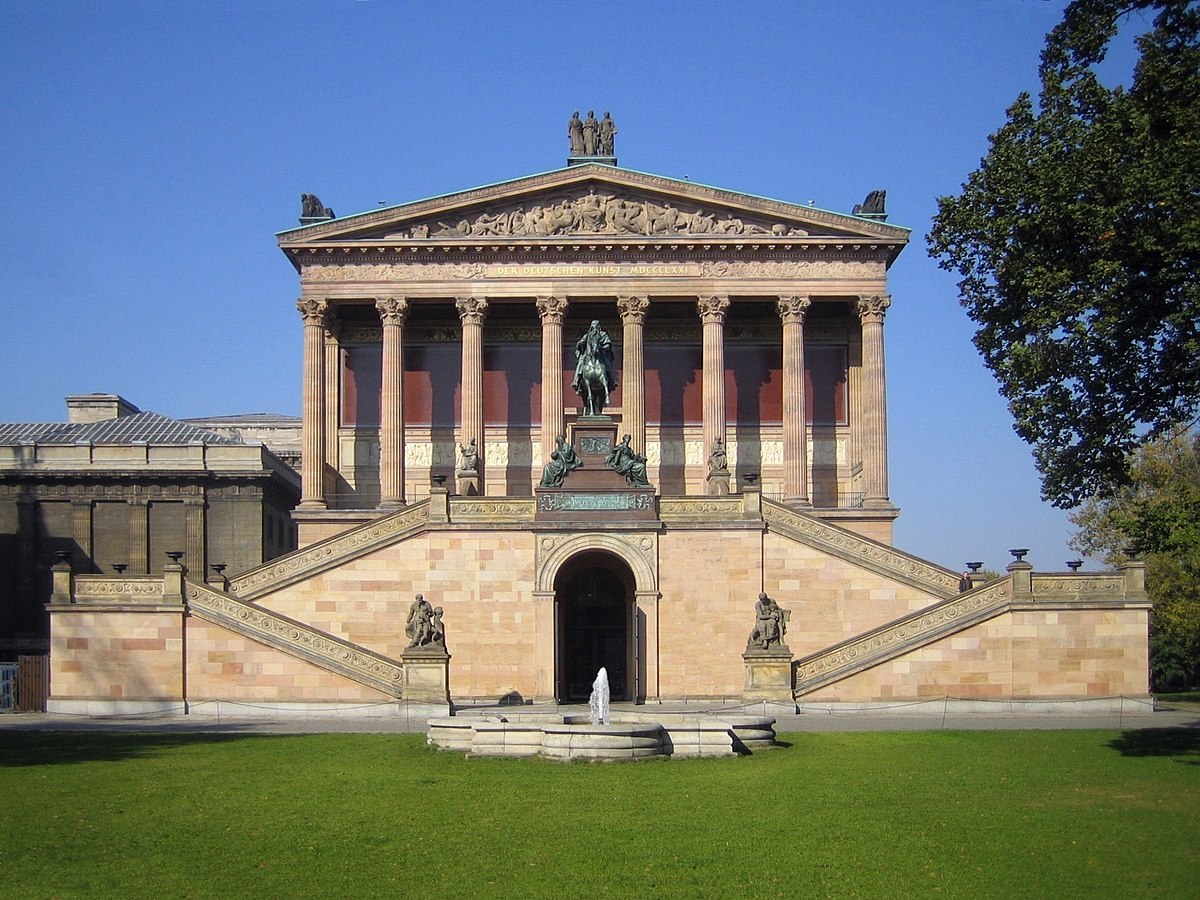
Alte Nationalgalerie
📍 Berlin, Germany
The Alte Nationalgalerie, an esteemed art museum located in Berlin’s Bezirk Mitte, is a cornerstone of cultural appreciation in Germany. This museum …