
Museum Behnhaus Drägerhaus
Overview
Museum Behnhaus Drägerhaus, located in the heart of Lübeck’s Old City, is a captivating destination for art enthusiasts and history buffs alike. This art museum showcases a diverse collection that reflects the rich cultural heritage of the region. Visitors can expect to explore a variety of artistic styles and movements, from classical to contemporary, all housed within a historical setting that enhances the overall experience. As one of Lübeck’s prominent cultural institutions, the museum not only highlights the artistry of its exhibits but also serves as a window into the city’s vibrant past.
Lübeck, known for its well-preserved medieval architecture, was once the leading city of the Hanseatic League, a powerful trading network in Northern Europe. The museum’s location within this UNESCO World Heritage site adds to its significance, inviting exploration of both its artistic and historical contexts. The experience promises to be enriching, providing insight into the broader narrative of art and culture in Lübeck and beyond.
History and Significance
The Museum Behnhaus Drägerhaus occupies two historic buildings that have their own stories to tell. The museum’s origins can be traced back to the late 19th century when the Behn family, prominent art collectors, established their residence and collection in Lübeck. Over the years, the museum has evolved to become a key player in the preservation and exhibition of art in the region. The museum’s mission includes not only showcasing art but also fostering an appreciation for cultural heritage.
The museum’s collection features notable works from various periods, including pieces from the Romantic period and the 19th century, reflecting the artistic movements that have influenced German art. The emphasis on regional artists is evident, with many pieces highlighting the local talent and the ways in which Lübeck has contributed to the broader European art scene.
In addition to its permanent collection, the museum regularly hosts temporary exhibitions, lectures, and workshops, making it a dynamic space for cultural exchange and artistic exploration. This commitment to engaging the community and promoting dialogue around art is a fundamental aspect of the museum’s significance.
Architecture and Features
The architecture of Museum Behnhaus Drägerhaus is as intriguing as the art it houses. The museum is comprised of two distinct structures: the Behnhaus and the Drägerhaus. The Behnhaus, a grand late-19th-century building, features elegant detailing and spacious galleries designed to accommodate a variety of artworks. Its design reflects the architectural trends of the time, characterized by a harmonious blend of functionality and aesthetic appeal.
The Drägerhaus, on the other hand, is an earlier structure that showcases traditional Lübeck architecture. This building adds historical depth to the museum, providing visitors with a glimpse into the architectural styles that have shaped the city over centuries. The combination of these two buildings allows for a unique exhibition space, with each area offering different atmospheres and experiences.
Visitors will also find well-curated exhibition spaces that enhance the viewing experience, with thoughtful lighting and layout that invite contemplation of the artworks. The museum’s commitment to preserving the integrity of the historical buildings while adapting them for modern use is evident throughout the space.
Visiting Information
Getting to Museum Behnhaus Drägerhaus is convenient, as it is situated in Lübeck’s Old City, which is well-served by public transport. Visitors can arrive via local buses or trams, with several stops located within walking distance. For those who prefer to drive, parking facilities are available nearby, though it is advisable to check for any restrictions or fees.
Check the official website for current information regarding museum opening hours and ticket prices, as these may vary. Generally, visitors can expect to spend approximately one to two hours exploring the museum’s collections and exhibitions, making it a manageable and enjoyable addition to a day spent in Lübeck.
The best times to visit are typically during weekdays when crowds are smaller, allowing for a more intimate experience with the art. However, special events and exhibitions may attract larger audiences, so planning ahead is advisable.
Nearby Attractions
Lübeck is renowned for its rich history and architectural beauty, making it a perfect destination for those interested in heritage and culture. Nearby attractions include:
St. Mary’s Church - This iconic Gothic church offers stunning architecture and a remarkable altar, reflecting Lübeck’s ecclesiastical history.
Lübeck Cathedral - A landmark of the city, the cathedral features impressive twin towers and a fascinating interior filled with art and history.
The Holstentor - This medieval city gate, one of Lübeck’s most famous symbols, is a must-see for its imposing structure and historical significance.
The Historic Market Square - Surrounded by beautiful buildings, the square is an excellent place to experience local culture and cuisine.
Buddenbrook House - The former home of the famous literary family, the Manns, this site offers insights into Lübeck’s literary heritage and is now a museum.
Insider Tips
For photography enthusiasts, the museum provides several opportunities for capturing memorable moments. While photography policies may vary, it’s often best to check in advance or inquire upon arrival. Early mornings or late afternoons tend to be quieter, allowing for fewer distractions while taking photos.
To avoid crowds, consider visiting during weekdays rather than weekends, especially if a special exhibition is on display. This will enhance your experience as you can enjoy the artworks at a leisurely pace.
Practical Information
When planning your visit to Museum Behnhaus Drägerhaus, it’s advisable to bring a few essentials. Comfortable walking shoes are recommended, as exploring the museum and its nearby attractions may involve considerable walking.
Seasonal considerations are also important; check the weather forecast before your visit to dress appropriately, especially if you plan to explore Lübeck’s outdoor attractions.
Frequently Asked Questions
How long should I spend visiting?
Most visitors spend about one to two hours at the museum, allowing enough time to appreciate the exhibits without feeling rushed.
Is photography allowed?
Photography policies may vary, so it’s best to check with museum staff upon arrival. Some areas may permit photography, while others may not.
Are there guided tours?
The museum often offers guided tours. Check the official website for details on availability and scheduling.
What’s the best time to visit?
Weekdays are typically less crowded, making them ideal for a more relaxed experience.
Is it wheelchair accessible?
The museum strives to be accessible to all visitors. It is advisable to check the official website for specific accessibility information.
Can I buy tickets online?
Ticket purchasing options may be available online. Check the official website for current offerings.
Are there restrooms and cafes?
The museum provides restroom facilities for visitors. For cafes, check nearby venues in Lübeck’s Old City for refreshments.
What should I wear?
Dress comfortably and in layers, as the temperature may vary inside the museum and outside depending on the season.
Museum Behnhaus Drägerhaus is a significant cultural hub in Lübeck, offering a unique blend of art and history that captivates all who visit. Whether you’re a local or a traveler, this museum promises a rewarding experience that enriches your understanding of the region’s artistic heritage.
More in Lower Saxony

2000 Jahre Christentum
📍 Lower Saxony, Germany
The “2000 Jahre Christentum,” a prominent statue located in Brunswick, Germany, serves as a significant cultural landmark that reflects the rich …
A. Heucke
📍 Lower Saxony, Germany
A. Heucke, located in the historic town of Gatersleben in Germany’s Seeland region, represents a significant chapter in the story of industrial …

Aalto Theatre
📍 Lower Saxony, Germany
The Aalto Theatre in Essen, Germany, is a prominent cultural landmark that attracts both local and international visitors. Renowned for its …

Aasee
📍 Lower Saxony, Germany
Aasee is a picturesque lake located in the town of Ibbenbüren, Germany, serving as a popular destination for both locals and visitors alike. This …
Abgunst Mine
📍 Lower Saxony, Germany
Abgunst Mine, located in the industrial heart of Essen, Germany, is a significant heritage site that represents the country’s rich mining history. As …

Accumer Mühle
📍 Lower Saxony, Germany
Accumer Mühle is a captivating windmill located in Schortens, Germany, that showcases the remarkable engineering of traditional European mills. This …
More Art Museums

Aachen Cathedral Treasury
📍 North Rhine-Westphalia, Germany
Aachen Cathedral Treasury, located in the historic city of Aachen, Germany, is a remarkable art museum that houses an impressive collection of …

Abteiberg Museum
📍 North Rhine-Westphalia, Germany
In the heart of Mönchengladbach, Germany, the Abteiberg Museum stands out as a prominent destination for art enthusiasts and cultural explorers alike. …

Akademisches Kunstmuseum
📍 North Rhine-Westphalia, Germany
In the heart of Bonn, Germany, lies the Akademisches Kunstmuseum, an art museum that invites visitors to explore a diverse collection of artworks …

Albertinum
📍 Saxony, Germany
Albertinum is a prominent art museum located in the heart of Dresden, Germany, serving as a significant cultural institution in the region. …

Albrecht Dürer's House
📍 Bavaria, Germany
Albrecht Dürer’s House stands as a significant cultural landmark in Nuremberg, Germany, celebrating the life and work of one of the Renaissance’s most …
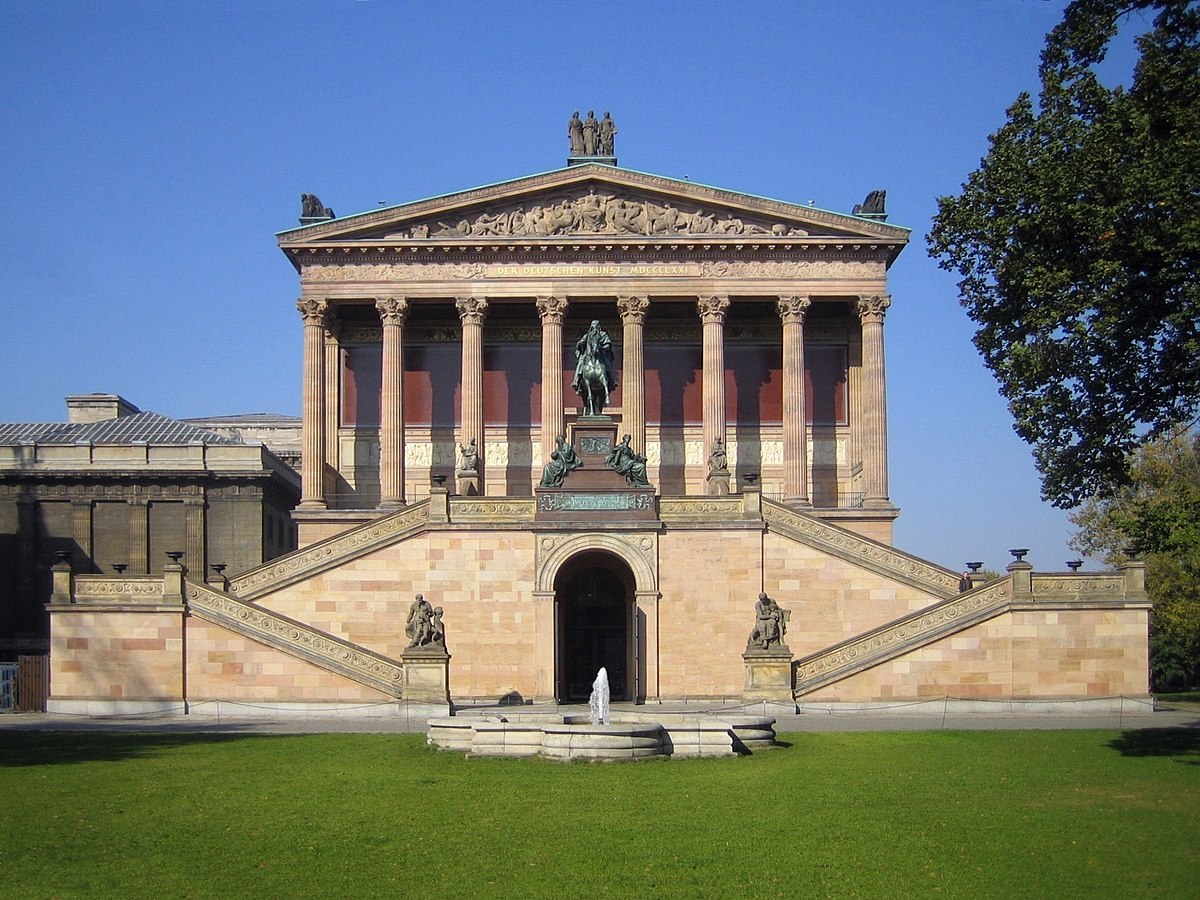
Alte Nationalgalerie
📍 Berlin, Germany
The Alte Nationalgalerie, an esteemed art museum located in Berlin’s Bezirk Mitte, is a cornerstone of cultural appreciation in Germany. This museum …