
Museum Barberini
Overview
Museum Barberini, located in the charming city of Potsdam, Germany, is a distinguished art museum that serves as a cultural focal point for both locals and visitors. Established to celebrate the rich tradition of art and its profound impact on society, the museum is housed in a beautifully restored historic building that reflects the elegance of its surroundings. Situated in the heart of Potsdam, the museum not only showcases an impressive collection of artworks but also contributes to the city’s vibrant cultural scene, making it a must-visit destination for art enthusiasts and casual visitors alike.
The museum’s mission is to provide a platform for a wide range of art, from classical to contemporary, thereby fostering an appreciation for artistic expression. Its strategic location in Potsdam, a city known for its palaces and gardens, adds to the allure of a visit. Visitors can expect an enriching experience that combines visual splendor with educational insights, allowing them to engage deeply with the artworks on display.
Museum Barberini stands as a significant marker in the landscape of German art institutions. It not only highlights the importance of artistic heritage but also promotes dialogue and understanding through art. Whether you’re an aficionado or simply curious about the world of art, a visit to Museum Barberini promises to inspire and educate.
History and Significance
The history of Museum Barberini is closely tied to the cultural evolution of Potsdam and the broader art scene in Germany. The museum itself is named after the Barberini Palace, which has roots that date back to the 18th century. This historic building provides a narrative backdrop to the museum’s mission of showcasing art that spans different eras and styles.
Over the years, Museum Barberini has established itself as a prominent institution dedicated to the preservation and exhibition of art. Its collections include significant works that reflect various artistic movements and styles, offering insights into the development of art across time. The museum aims to foster a deeper understanding of the role of art in society, encouraging visitors to think critically about the visual narratives presented.
The museum is committed to promoting not only its permanent collections but also temporary exhibitions that highlight specific themes or artists. By doing so, it remains relevant in the dynamic world of contemporary art. Through educational programs, public lectures, and workshops, Museum Barberini engages with the community, ensuring that art remains accessible and appreciated by all, regardless of background or experience.
In summary, Museum Barberini is more than just an art museum; it is a cultural institution that plays a vital role in the artistic landscape of Germany. Its dedication to showcasing a diverse range of artworks while promoting community engagement underscores its significance in contemporary society.
Architecture and Features
The architectural design of Museum Barberini is a key element of its appeal. The building itself is an impressive example of neoclassical architecture, characterized by its grand façade and harmonious proportions. The restoration of the Barberini Palace has preserved its historical integrity while integrating modern elements that enhance the visitor experience.
Inside, the museum features spacious galleries that allow for a fluid flow of movement, accommodating both large exhibitions and intimate displays. The layout is thoughtfully designed to guide visitors through the various collections, ensuring that each artwork receives the attention it deserves. Natural light floods the exhibition spaces, creating a welcoming environment that encourages contemplation and appreciation of the art.
One of the standout features of Museum Barberini is its commitment to using contemporary technology to enhance the visitor experience. Interactive displays and digital guides provide additional context to the artworks, enriching the understanding of each piece. This blend of historical architecture with modern technology exemplifies the museum’s approach to making art accessible and engaging.
The museum also includes amenities such as a café, where visitors can take a break and reflect on their experience. The thoughtful arrangement of spaces encourages not only viewing art but also engaging with it on a deeper level, fostering a sense of community around the appreciation of culture.
Visiting Information
Visiting Museum Barberini is an enriching experience that can be tailored to fit various interests and schedules. The museum is conveniently located in Potsdam, making it accessible by various modes of transport, including public transportation options. Visitors can easily reach the museum via local buses or trams, which service the area frequently.
Check the official website for current information on operating hours and ticket prices, as these may vary depending on the season or special events. It is advisable to allocate a few hours for your visit, allowing time to explore the exhibitions and engage with the art on display. The museum offers a variety of exhibits, so depending on your interests, your time spent may vary.
The best times to visit Museum Barberini are typically during weekdays when crowds are smaller, allowing for a more intimate experience with the art. However, weekends often feature special programs and events that can enhance your visit, so consider your priorities when planning your trip.
In addition to the permanent collections, the museum frequently hosts temporary exhibitions that showcase specific themes or artists, adding to the richness of the experience. Be sure to check the museum’s schedule to see if any special events coincide with your visit.
Nearby Attractions
Potsdam is home to a variety of attractions that complement a trip to Museum Barberini. Here are a few noteworthy places to consider visiting:
Sanssouci Palace: Just a short distance from the museum, this UNESCO World Heritage site is renowned for its stunning gardens and elegant architecture. The palace served as a summer residence for Frederick the Great, and its opulent interiors are a testament to the grandeur of the era.
The New Palace: Another impressive structure in Potsdam, this palace showcases the architectural style of the late Baroque period. Visitors can explore its lavish rooms and expansive grounds, making it a perfect complement to a visit to the museum.
The Dutch Quarter: Known for its distinctive red-brick buildings, this charming neighborhood offers a unique blend of history and modern cafes. Strolling through its streets provides a glimpse into Potsdam’s cultural heritage.
Brandenburg Gate: This historical gate, located in the city center, is a symbol of Potsdam and an iconic landmark worth visiting. Its neoclassical design adds to the architectural diversity of the area.
Filmpark Babelsberg: For those interested in film and television, this theme park offers a behind-the-scenes look at the world of cinema. It features various attractions and live shows, making it a fun destination for families.
Insider Tips
To make the most of your visit to Museum Barberini, consider these insider tips:
Photography: While photography may be allowed in certain areas of the museum, be sure to check for any restrictions before snapping pictures. Capturing the architectural details of the museum can be just as rewarding as photographing the art itself.
Crowd Avoidance: To enjoy a quieter experience, visit during off-peak hours, such as weekday mornings or later in the afternoon. This will allow you to engage more deeply with the exhibits without the distraction of large crowds.
Guided Tours: If you’re interested in a more in-depth understanding of the artworks, consider joining a guided tour. These tours often provide valuable insights and context that enhance the overall experience.
Practical Information
When planning your visit to Museum Barberini, keep the following practical considerations in mind:
What to Bring: Comfortable walking shoes are recommended, as you may spend several hours exploring the museum and its surroundings. Additionally, bringing a water bottle can help you stay refreshed during your visit.
Seasonal Considerations: Depending on the time of year, the museum may host seasonal events or exhibitions. Be sure to check the official website for any special programming that may enhance your visit.
Amenities: The museum features restrooms and a café for visitors. Taking a break in the café can provide a welcome respite after exploring the galleries.
Frequently Asked Questions
How long should I spend visiting?
Most visitors find that spending around two to three hours at Museum Barberini allows sufficient time to explore the exhibitions and engage with the art.
Is photography allowed?
Photography policies may vary, so check for guidelines in specific exhibition areas to ensure compliance.
Are there guided tours?
Yes, the museum offers guided tours that provide deeper insights into the collections and exhibitions. These tours are worth considering for a more enriching experience.
What’s the best time to visit?
Weekdays are typically less crowded, making them ideal for a more intimate experience. However, weekends may feature special events that could enhance your visit.
Is it wheelchair accessible?
The museum is designed to be accessible for all visitors, including those with mobility challenges.
Can I buy tickets online?
Check the official website for information on purchasing tickets in advance, which can save time during your visit.
Are there restrooms and cafes?
Yes, the museum provides restrooms and a café for visitor convenience.
What should I wear?
Dress comfortably, and consider layering, as museum environments can vary in temperature.
A visit to Museum Barberini promises an enriching exploration of art and culture in the beautiful setting of Potsdam. Whether you’re drawn by the artworks, the architecture, or the cultural significance, this museum offers a memorable experience for all.
More in Brandenburg
Agnetenkloster
📍 Brandenburg, Germany
Agnetenkloster, a former monastery located in the heart of Magdeburg, Germany, invites visitors to explore its serene ambiance and historical …

Agroneum
📍 Brandenburg, Germany
Agroneum is a museum located in the serene landscape of Alt Schwerin, Germany. This establishment serves as a vibrant hub for those interested in the …

Alexander Nevsky Memorial Church
📍 Brandenburg, Germany
The Alexander Nevsky Memorial Church in Potsdam, Germany, offers visitors a unique glimpse into the city’s cultural and religious heritage. This …
Alexandrowka
📍 Brandenburg, Germany
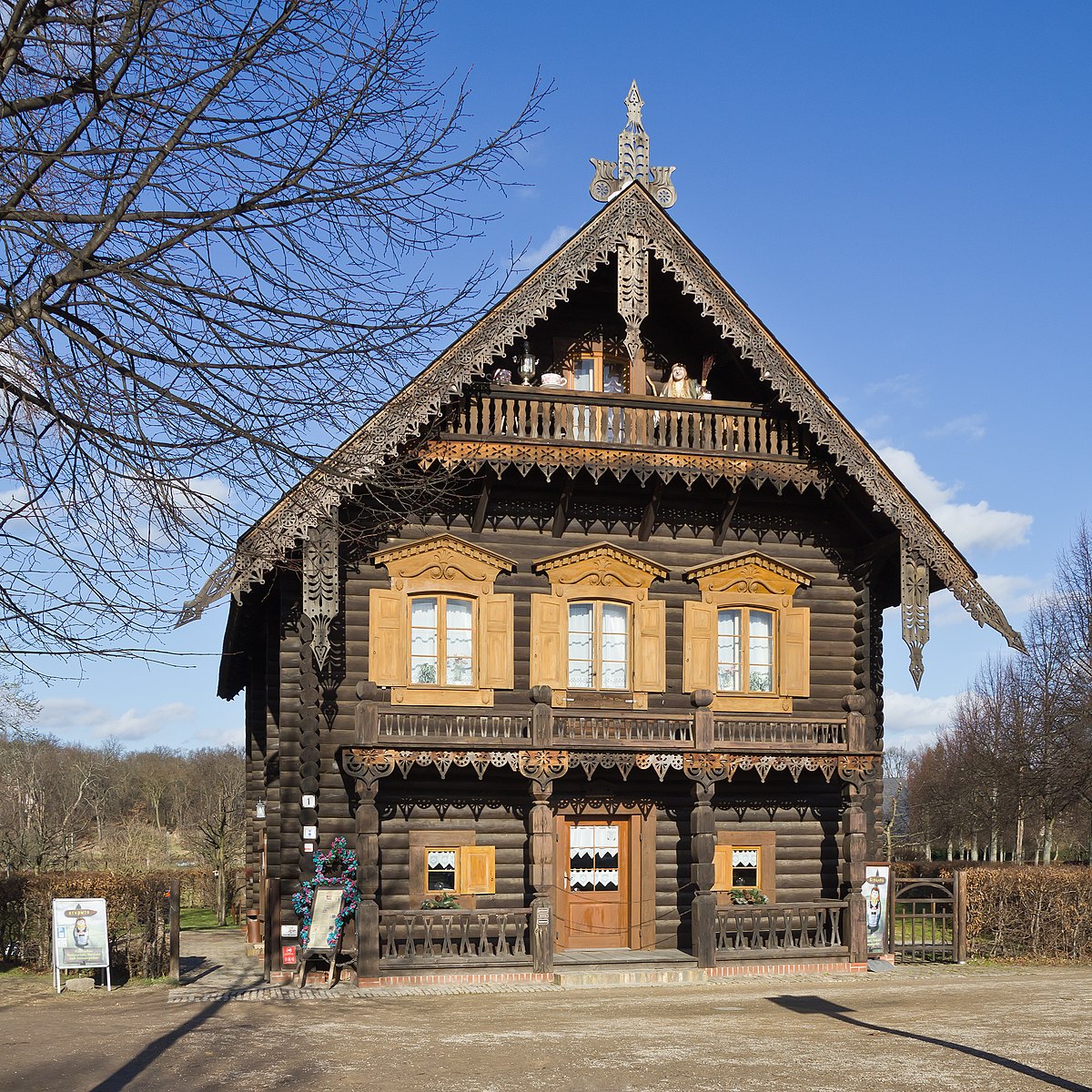
Located in the picturesque city of Potsdam, Germany, Alexandrowka is an intriguing architectural ensemble that reflects a unique blend of Russian and …

Alte Burg Penzlin
📍 Brandenburg, Germany
Alte Burg Penzlin, a captivating castle located in the quaint town of Penzlin, Germany, serves as a remarkable example of medieval architecture and …

Alte Dorfkirche Röxe
📍 Brandenburg, Germany
The Alte Dorfkirche Röxe stands as a poignant symbol of architectural and cultural history in the Stendal region of Germany. This church building, …
More Art Museums

Aachen Cathedral Treasury
📍 North Rhine-Westphalia, Germany
Aachen Cathedral Treasury, located in the historic city of Aachen, Germany, is a remarkable art museum that houses an impressive collection of …

Abteiberg Museum
📍 North Rhine-Westphalia, Germany
In the heart of Mönchengladbach, Germany, the Abteiberg Museum stands out as a prominent destination for art enthusiasts and cultural explorers alike. …

Akademisches Kunstmuseum
📍 North Rhine-Westphalia, Germany
In the heart of Bonn, Germany, lies the Akademisches Kunstmuseum, an art museum that invites visitors to explore a diverse collection of artworks …

Albertinum
📍 Saxony, Germany
Albertinum is a prominent art museum located in the heart of Dresden, Germany, serving as a significant cultural institution in the region. …

Albrecht Dürer's House
📍 Bavaria, Germany
Albrecht Dürer’s House stands as a significant cultural landmark in Nuremberg, Germany, celebrating the life and work of one of the Renaissance’s most …
Alte Nationalgalerie
📍 Berlin, Germany
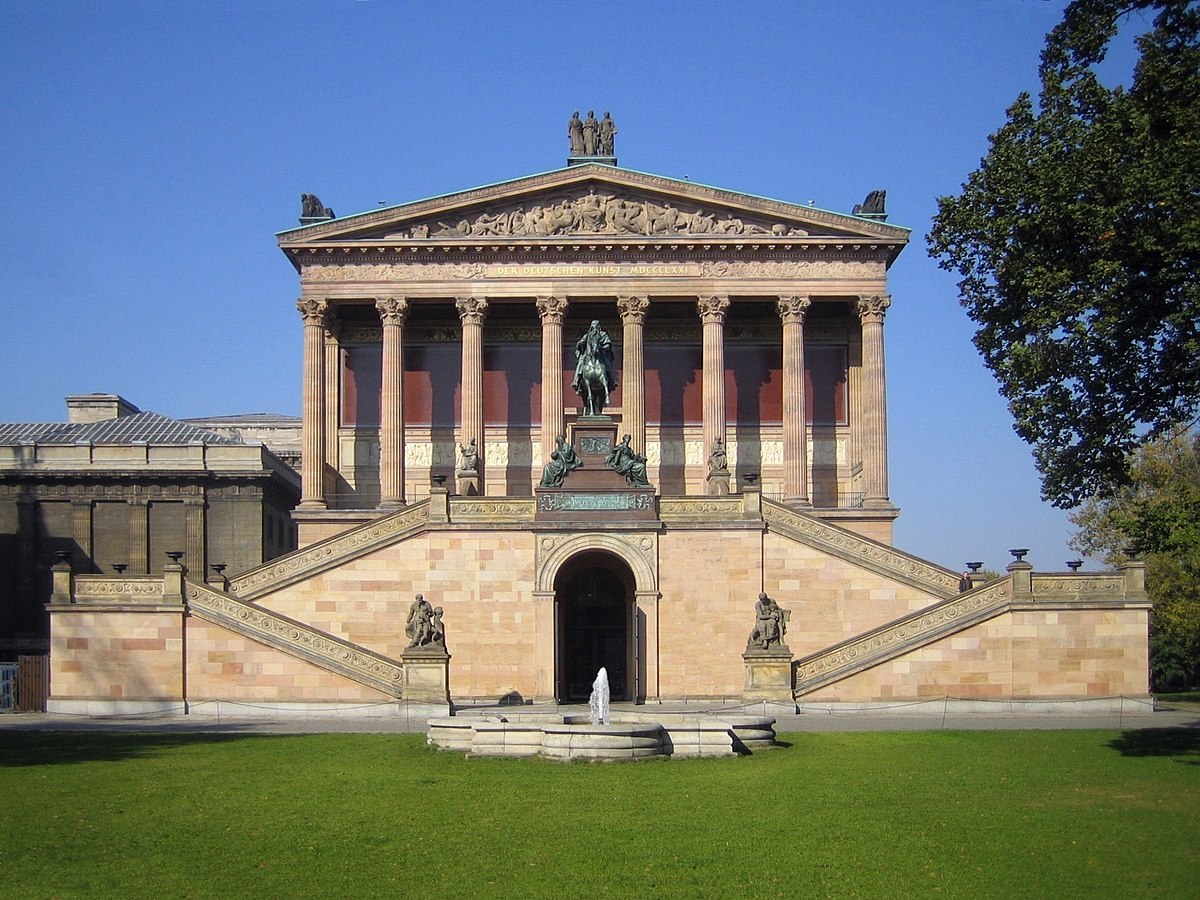
The Alte Nationalgalerie, an esteemed art museum located in Berlin’s Bezirk Mitte, is a cornerstone of cultural appreciation in Germany. This museum …