Museum am Modersohn-Haus
Overview
The Museum am Modersohn-Haus is a notable destination for art enthusiasts, showcasing the profound impact of Worpswede, Germany, on the art world. This museum, dedicated to the works of artists associated with the Worpswede artist colony, invites visitors to explore a unique narrative of creativity that flourished in the late 19th and early 20th centuries. Set against the serene backdrop of this quaint village, the museum not only highlights the artistic achievements of its featured artists but also reflects the cultural tapestry of the region.
As you approach the museum, you are greeted by its inviting exterior, which hints at the artistic treasures contained within. The significance of this museum extends beyond its walls; it serves as a vital resource for understanding the evolution of modern art in Germany. The museum offers a thoughtful examination of the connections between nature, rural life, and artistic expression, making it a compelling stop for those interested in the intersection of art and environment.
Visitors to the Museum am Modersohn-Haus can expect a rich experience that combines historical context with engaging exhibitions. Whether you are an art aficionado or a casual visitor, the museum promises a delightful exploration of the Worpswede artistic legacy.
History and Significance
The Museum am Modersohn-Haus is deeply rooted in the artistic movement that emerged in the late 19th century when a group of painters and sculptors settled in Worpswede. This artist colony was established by a diverse group, including notable figures such as Paula Modersohn-Becker, who played a crucial role in shaping the artistic identity of the area. The museum itself is housed in the former home of Modersohn-Becker, providing an intimate glimpse into her life and work.
The significance of this museum lies not only in its connection to Modersohn-Becker but also in its broader representation of the Worpswede artists’ mission to capture the essence of rural life and nature through their art. The artists sought to break away from traditional academic styles, embracing a more expressive and personal approach. This shift marked a pivotal moment in the development of modern art in Germany, and the museum serves as a key institution for preserving and interpreting this legacy.
Throughout the years, the museum has curated various exhibitions that highlight the contributions of Modersohn-Becker and her contemporaries, allowing visitors to appreciate the evolution of their styles and themes. Through its collections and educational programs, the Museum am Modersohn-Haus fosters a deeper understanding of the cultural and artistic landscape of the time.
Architecture and Features
The architecture of the Museum am Modersohn-Haus reflects the simplicity and functionality characteristic of the artists’ colony. The building itself, a former residence, exudes a charm that complements the artistic spirit of the region. Visitors will find that the structure retains many original features that enhance its historical significance.
Inside, the museum is thoughtfully designed to facilitate the flow of exhibitions and the viewing experience. The layout allows for an engaging display of artworks, with spacious galleries that showcase both permanent collections and temporary exhibitions. The natural light that filters through the windows creates an inviting atmosphere, further enhancing the visual experience.
Notable features of the museum include dedicated spaces for works by Paula Modersohn-Becker, where visitors can immerse themselves in her unique perspective and artistic evolution. Additionally, the museum often organizes workshops and events that connect contemporary art practices with the legacy of the Worpswede artists, fostering a dialogue between past and present.
Visiting Information
Visiting the Museum am Modersohn-Haus offers an enriching opportunity to explore the artistic heritage of Worpswede. To make the most of your visit, consider the following practical information.
Transportation options to the museum are accessible for tourists traveling from nearby cities. Check the official website for current information regarding hours and prices, as these can vary throughout the year. Depending on your interests, you may want to allocate a few hours to fully appreciate the exhibitions and engage with the museum’s offerings.
The best times to visit the museum can vary; however, weekdays tend to be less crowded, allowing for a more intimate experience with the artworks. If you’re interested in special exhibitions or events, be sure to check the museum’s schedule, as they often host unique programs that enhance the visitor experience.
Expect to find a variety of resources on-site, including informational brochures and staff who are knowledgeable about the exhibitions. For those who wish to delve deeper, guided tours may be available, providing insights into the artworks and the history of the artist colony.
Nearby Attractions
While visiting the Museum am Modersohn-Haus, consider exploring other nearby attractions that complement your art experience:
- Worpswede Village: A charming village known for its artistic heritage, with quaint shops and cafes that reflect the local culture.
- Barkenhoff: A former residence of artist Heinrich Vogeler, now a cultural center that features exhibitions and events focused on the Worpswede art movement.
- The Worpswede Cemetery: A serene final resting place for many artists from the colony, offering a reflective space amidst nature.
- The Art Gallery at the Old Mill: This gallery showcases contemporary works and often features exhibitions that connect modern artists with the tradition of the Worpswede colony.
These nearby attractions enhance the cultural landscape of Worpswede, making it a fulfilling destination for art lovers and history seekers alike.
Insider Tips
To make the most of your visit to the Museum am Modersohn-Haus, consider these insider tips:
- Photography: While many museums allow photography, it’s advisable to check the specific rules at the Museum am Modersohn-Haus to ensure you respect their policies.
- Crowd Avoidance: If you prefer a quieter experience, plan your visit during weekdays or early in the morning. This can provide a more intimate setting to enjoy the artworks without the distraction of large crowds.
- Guided Tours: If available, consider joining a guided tour for a deeper understanding of the artworks and the historical context of the artist colony.
Practical Information
When planning your visit to the Museum am Modersohn-Haus, here are some practical considerations:
- What to Bring: Comfortable walking shoes are recommended, as the museum may require some walking, especially if you choose to explore the surrounding village. A notebook may also be handy if you wish to jot down thoughts or reflections on the artworks.
- Seasonal Considerations: Depending on the time of year, weather conditions may vary. Be sure to check forecasts to dress appropriately for your visit, particularly if you plan to explore outdoor attractions in the area.
Frequently Asked Questions
How long should I spend visiting?
Most visitors find that spending around two to three hours at the Museum am Modersohn-Haus is sufficient to explore the exhibitions and appreciate the artworks.
Is photography allowed?
Photography policies can vary by exhibition. It’s best to check with museum staff upon your arrival regarding specific rules.
Are there guided tours?
Guided tours may be available at certain times. Check the official website to find out about scheduling and availability.
What’s the best time to visit?
Weekdays and early mornings typically offer a quieter experience, making it easier to engage with the exhibitions.
Is it wheelchair accessible?
For information on accessibility options, including wheelchair access, check the official website or contact the museum directly.
Can I buy tickets online?
It’s advisable to check the official website for ticket purchasing options and to ensure a smooth entry during your visit.
Are there restrooms and cafes?
Facilities such as restrooms and cafes are often available, but it’s best to confirm current amenities on the official website prior to your visit.
What should I wear?
Dress comfortably and appropriately for the season, especially if you plan to explore the outdoor areas surrounding the museum.
More in Bremen

Achterdiekpark
📍 Bremen, Germany
Achterdiekpark, located in the peaceful district of Oberneuland, Germany, is a sanctuary for nature lovers and a welcome retreat from urban life. This …

Ahlen-Falkenberger Moor, Halemer/Dahlemer See
📍 Bremen, Germany
Ahlen-Falkenberger Moor, located in the Steinau region of Lower Saxony, Germany, is a remarkable nature reserve that showcases the region’s unique …

Ahlershorst
📍 Bremen, Germany
Ahlershorst is a captivating nature reserve located in Lower Saxony, Germany, specifically within the Geestland region. This expansive area serves as …

Alfred Wegener Institute for Polar and Marine Research
📍 Bremen, Germany
The Alfred Wegener Institute for Polar and Marine Research, located in Bremerhaven, Germany, stands as a cornerstone of scientific inquiry into the …

Alt-Leher Schule
📍 Bremen, Germany
In the heart of Bremerhaven, Germany, lies the Alt-Leher Schule, an architectural ensemble that encapsulates the history of educational architecture …

Am Stadtwaldsee (Uni-Wildnis)
📍 Bremen, Germany
Am Stadtwaldsee, known locally as Uni-Wildnis, is a captivating nature reserve located in Bremen, Germany. This serene expanse of land serves as a …
More Art Museums

Aachen Cathedral Treasury
📍 North Rhine-Westphalia, Germany
Aachen Cathedral Treasury, located in the historic city of Aachen, Germany, is a remarkable art museum that houses an impressive collection of …

Abteiberg Museum
📍 North Rhine-Westphalia, Germany
In the heart of Mönchengladbach, Germany, the Abteiberg Museum stands out as a prominent destination for art enthusiasts and cultural explorers alike. …

Akademisches Kunstmuseum
📍 North Rhine-Westphalia, Germany
In the heart of Bonn, Germany, lies the Akademisches Kunstmuseum, an art museum that invites visitors to explore a diverse collection of artworks …

Albertinum
📍 Saxony, Germany
Albertinum is a prominent art museum located in the heart of Dresden, Germany, serving as a significant cultural institution in the region. …

Albrecht Dürer's House
📍 Bavaria, Germany
Albrecht Dürer’s House stands as a significant cultural landmark in Nuremberg, Germany, celebrating the life and work of one of the Renaissance’s most …
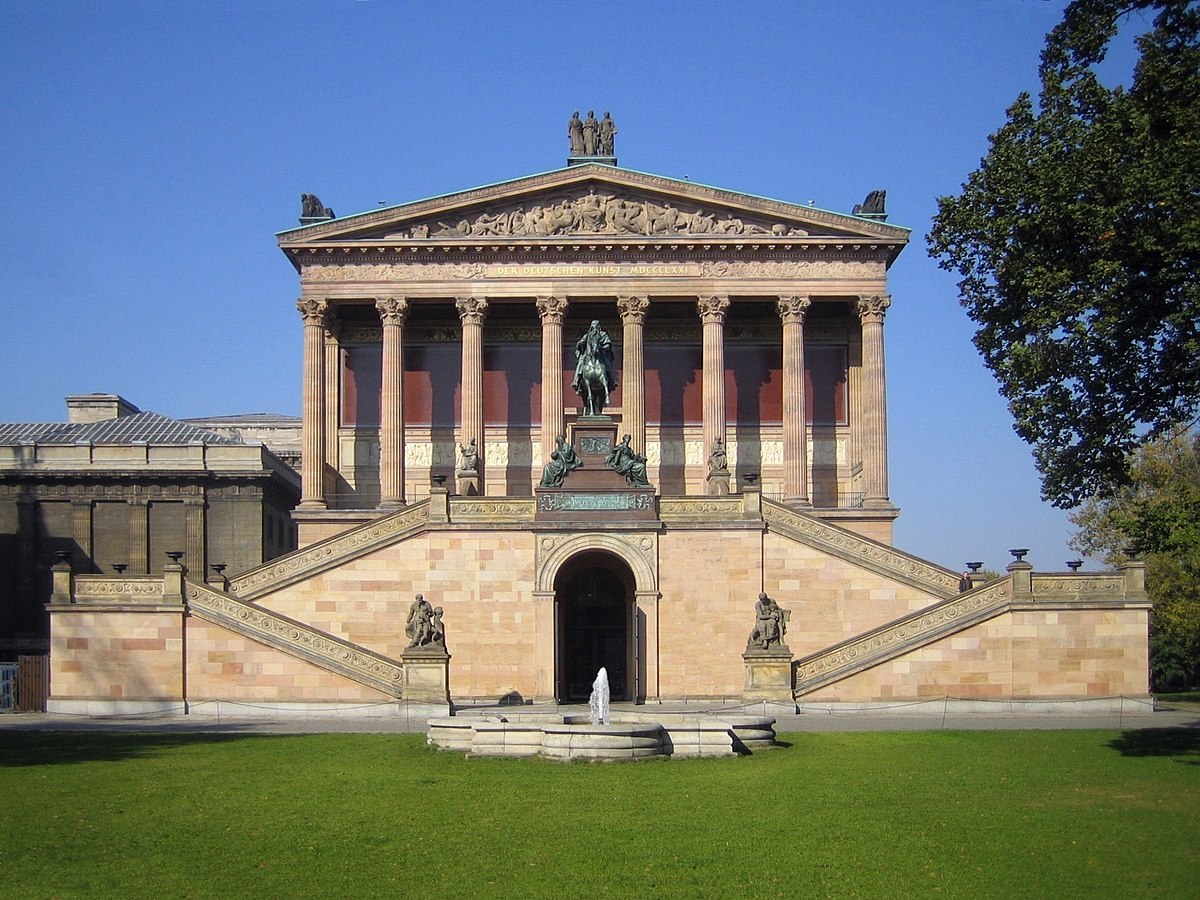
Alte Nationalgalerie
📍 Berlin, Germany
The Alte Nationalgalerie, an esteemed art museum located in Berlin’s Bezirk Mitte, is a cornerstone of cultural appreciation in Germany. This museum …