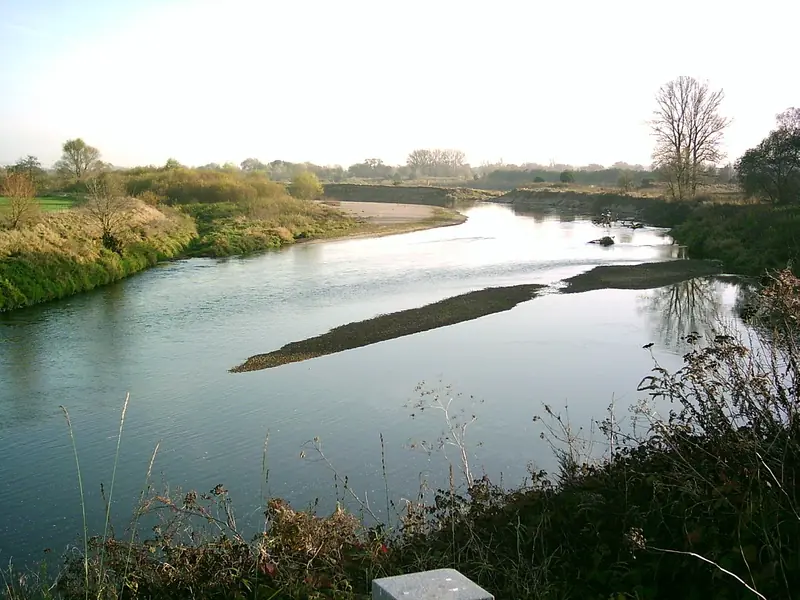
Overview
The Mulde River, flowing gracefully through the heart of Germany’s Saxony and Saxony-Anhalt regions, is a significant natural landmark that captivates visitors with its serene beauty and ecological importance. Originating from the Ore Mountains, this river winds its way through picturesque landscapes, providing a vital waterway that supports both the environment and local communities. Spanning numerous towns and villages, the Mulde serves as a lifeline for agriculture, industry, and recreation, making it an essential element of the region’s cultural and economic fabric.
As you explore the Mulde, you will encounter diverse ecosystems, charming riverside paths, and a plethora of outdoor activities that invite both leisurely strolls and adventurous pursuits. The river’s banks are often adorned with lush greenery, creating a tranquil atmosphere that invites contemplation and appreciation of nature. Whether you are a nature enthusiast, an avid photographer, or someone looking to delve into the local culture, the Mulde River offers experiences that resonate with all.
History and Significance
The Mulde River has played a pivotal role in shaping the history of the regions it traverses. Historically, it has served as a crucial transportation route, facilitating trade and commerce among the towns and cities situated along its banks. The river’s significance extends beyond economic functions; it has also been a source of inspiration for artists, poets, and musicians throughout the centuries, who have celebrated its natural beauty in various forms.
In addition to its cultural impact, the Mulde River is integral to the local ecosystem. It supports a variety of flora and fauna, contributing to the biodiversity of the area. As a natural resource, the river has been essential for irrigation in agricultural practices, which has sustained communities and contributed to the region’s development over time.
Modern conservation efforts aim to maintain the river’s health and safeguard its environment against pollution and overdevelopment. These efforts reflect a growing awareness of the importance of preserving natural resources for future generations. The Mulde River stands as a symbol of the relationship between nature and humanity, reminding us of the delicate balance that sustains both.
Architecture and Features
The Mulde River is characterized by its winding course and picturesque banks, which are often lined with trees and wildflowers. The river itself is not only a natural feature but also enhances the architectural landscape of the surrounding towns. Historic bridges, charming waterfront promenades, and traditional buildings dot the river’s edges, reflecting the local architectural styles and cultural heritage.
Apart from its scenic beauty, the Mulde is known for its tributaries that contribute to its flow and ecological diversity. These tributaries create a complex network of waterways, supporting various habitats that are home to numerous species of fish, birds, and other wildlife. The river’s banks often serve as recreational areas, where visitors can engage in activities such as hiking, cycling, and fishing, providing a perfect blend of natural beauty and leisure.
As you explore the Mulde, you will encounter various natural features, including small islands and sandbanks that emerge during the warmer months. These areas become popular spots for picnicking and relaxation, inviting people to connect with the river in a personal way. The Mulde River, with its diverse physical features and integration into the local architecture, offers a unique experience that reflects the harmony between nature and human creativity.
Visiting Information
Visiting the Mulde River presents a range of opportunities for exploration and relaxation. The river can be accessed from several towns and cities along its route, each offering unique perspectives and experiences. Depending on your interests, you can choose to stroll along the riverbanks, engage in outdoor activities, or simply enjoy the natural surroundings.
Transportation options to the Mulde River are varied, with local public transport services available in many towns that border the river. For those traveling by car, several scenic routes lead to the river, allowing visitors to appreciate the beautiful landscapes of Saxony and Saxony-Anhalt.
When planning your visit, it’s advisable to check the official website for current information regarding access points, local amenities, and any special events that may be taking place along the river. The best times to visit typically align with the warmer months, when the weather is conducive to outdoor activities and the natural scenery is at its most vibrant. Depending on your interests, allocating a few hours to a full day will allow you to fully immerse yourself in the experience.
Expect to find a variety of recreational activities along the river, ranging from cycling and walking paths to fishing spots. The peaceful environment encourages visitors to slow down and appreciate the natural beauty surrounding them.
Nearby Attractions
While the Mulde River is an attraction in its own right, several nearby sites enhance your visit to this natural wonder:
Leipzig: Just a short distance from the Mulde, Leipzig is known for its rich cultural scene, historic architecture, and vibrant arts community. Visitors can explore museums, galleries, and parks that reflect the city’s dynamic spirit.
Saxon Switzerland National Park: Located a bit further afield, this stunning national park features dramatic sandstone formations, hiking trails, and breathtaking landscapes. It’s perfect for those looking to experience more of Germany’s natural beauty.
Bitterfeld-Wolfen: This nearby town has historical significance in the chemical industry and offers insights into industrial heritage. Visitors can explore local museums and parks along the river.
Wermsdorf Forest: A serene destination for nature lovers, this forest area provides ample opportunities for hiking and wildlife spotting, complementing your river experience with lush greenery and tranquility.
Grimma: This charming town along the Mulde showcases medieval architecture, picturesque streets, and local markets. It’s an ideal stop for those wanting to experience local culture and history.
Insider Tips
For those looking to capture the beauty of the Mulde River through photography, the golden hours of early morning and late afternoon provide stunning natural light. Look for reflections on the water and the interplay of sunlight with the surrounding greenery for captivating shots.
To avoid crowds, consider visiting on weekdays rather than weekends. Early mornings tend to be quieter, allowing for a more peaceful experience as you explore the riverbank or partake in outdoor activities.
Practical Information
When visiting the Mulde River, it’s essential to bring along the right gear to enhance your experience. Comfortable walking shoes are a must, especially if you plan to explore the riverbanks or engage in activities like cycling.
Seasonal considerations are also important. Spring and summer are particularly popular for outdoor activities, while autumn offers stunning foliage. If visiting in winter, be prepared for colder temperatures and potential snow, which can create a different yet beautiful atmosphere along the river.
Always check the official website for any seasonal events, weather updates, or specific guidelines that may affect your visit.
Frequently Asked Questions
How long should I spend visiting?
A visit to the Mulde River can range from a few hours to a full day, depending on your interests in outdoor activities and exploration.
Is photography allowed?
Yes, photography is generally allowed along the Mulde River. The natural scenery provides many opportunities for stunning shots.
Are there guided tours?
While there may not be formal guided tours specifically for the river, local tourist information centers can provide resources and recommendations for self-guided explorations.
What’s the best time to visit?
The best times to visit are typically during the spring and summer months when the weather is mild and the natural beauty is at its peak.
Is it wheelchair accessible?
Access to certain areas along the river may vary. It’s advisable to check specific locations for wheelchair accessibility.
Can I buy tickets online?
Check the official website for any entry fees or ticketing information relevant to specific activities or nearby attractions.
Are there restrooms and cafes?
Amenities such as restrooms and cafes may be available in nearby towns or designated recreational areas along the river.
What should I wear?
Dress comfortably and appropriately for the season, considering layers for changing weather conditions, especially if you plan to engage in outdoor activities.



