Overview
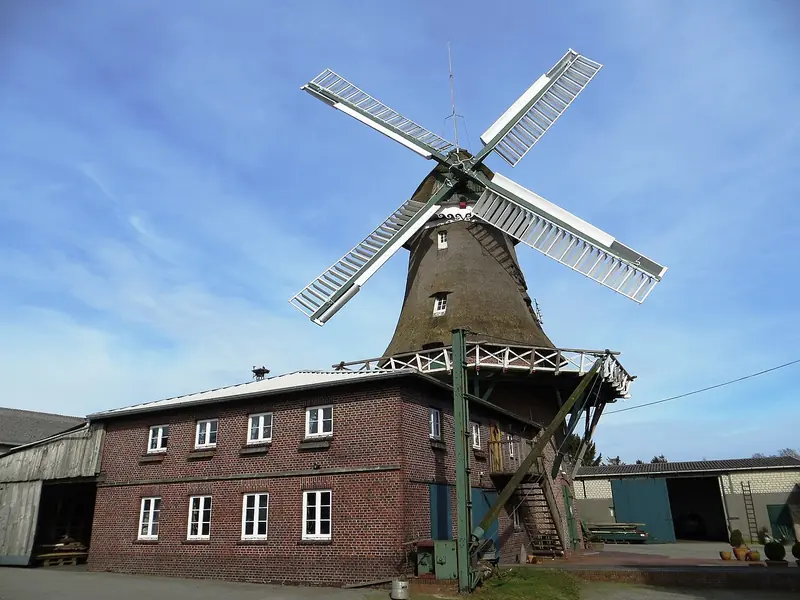
The Mühle Eiklenborg stands as a remarkable example of traditional windmill design and functionality in Logabirum, a small village in Germany’s Ostfriesland region. This Holländerwindmühle, or Dutch windmill, serves not only as a functional piece of industrial heritage but also as a symbol of the region’s agricultural past. Windmills like Eiklenborg were once vital to the local economy, grinding grain and providing power for various tasks, and today, they attract visitors eager to explore this unique aspect of German history.
Set against the backdrop of Germany’s picturesque landscapes, the Mühle Eiklenborg invites travelers to reflect on the ingenuity of past generations while enjoying the serene environment of Lower Saxony. This heritage site offers insights into the traditional techniques of milling, the role of windmills in rural communities, and the importance of preserving such landmarks for future generations. Visitors can expect a blend of historical learning and an appreciation of engineering, making the Mühle Eiklenborg a worthwhile stop for anyone interested in industrial heritage.
History and Significance
The Mühle Eiklenborg holds a significant place in the cultural landscape of Ostfriesland. Windmills have been integral to the region’s agricultural development, providing essential milling services to local farmers. While specific historical details about the construction and operation of Mühle Eiklenborg are not extensively documented, the general history of windmills in this area highlights their vital role in transforming raw grains into flour, facilitating trade and sustenance for communities.
In the broader context of industrial heritage, the Mühle Eiklenborg serves as a reminder of the technological advancements of its time. Windmills were innovative solutions to energy needs before the advent of modern machinery, showcasing the ingenuity and resourcefulness of their builders. The preservation of such windmills is crucial not only for historical education but also for the appreciation of sustainable energy practices that have been employed for centuries.
Moreover, the significance of Mühle Eiklenborg is not solely rooted in its functionality. It also reflects the social and economic structures of rural life in Germany. Windmills often served as community gathering points, where farmers would bring their grain to be milled, fostering a sense of camaraderie and collaboration among villagers. Today, Mühle Eiklenborg continues to embody these communal ties, drawing visitors who are interested in learning about the local heritage and the history of milling.
Architecture and Features
The architectural style of Mühle Eiklenborg is characteristic of Holländerwindmühlen, which feature a distinct and functional design. These windmills are typically built with a tall, octagonal wooden tower, allowing for greater height to catch the wind and optimize the milling process. The structure is often painted in a traditional color scheme, which can vary by region, adding to its visual appeal.
One of the notable features of Mühle Eiklenborg is its large, rotating blades, which harness wind energy to power the milling operations. The sails are designed to pivot, allowing for optimal positioning against varying wind directions. This engineering feature is both practical and visually striking, demonstrating the skill involved in windmill construction.
Inside the windmill, visitors can explore the milling mechanism, which includes traditional milling stones and other equipment used in the grain processing. The interior layout is often designed to facilitate the flow of grain from storage to milling, showcasing the efficiency of windmill operations. The combination of historic machinery and the physical structure of the mill provides a tangible connection to the past, allowing visitors to appreciate the craftsmanship involved in windmill construction and operation.
Visiting Information
Visiting Mühle Eiklenborg offers a unique experience for those interested in heritage and industrial history. To reach the windmill, travelers can utilize local transportation options or drive to the coordinates 53.24755, 7.515635. The site is likely accessible by road, and parking facilities may be available nearby.
Check the official website for current information regarding hours of operation and any admission fees that may apply. Visitors can expect to spend approximately one to two hours at the site, allowing time to explore the windmill and learn about its history and function.
The best times to visit Mühle Eiklenborg are during the spring and summer months when the weather is favorable for outdoor activities. These seasons also coincide with various local events that may enhance the visitor experience. It is advisable to check for any special events or guided tours that may be offered, providing further insights into the windmill’s significance.
Nearby Attractions
While exploring the Mühle Eiklenborg, visitors may also want to discover other attractions in the region. Here are a few notable sites nearby:
Leer: A charming town not far from Logabirum, known for its historic buildings, canals, and a vibrant marketplace.
Museum of Local History: Located in Leer, this museum offers insights into the cultural heritage of the region through exhibits and artifacts.
East Frisian Tea Museum: A short drive away, this museum celebrates the tea culture of East Frisia and offers tastings and educational exhibits.
Greetsiel: A picturesque fishing village with traditional East Frisian architecture and charming waterways, ideal for a leisurely stroll.
Pilsum Lighthouse: Located on the coast, this iconic lighthouse offers stunning views and is a great spot for photography enthusiasts.
Insider Tips
For photography enthusiasts, the best time to capture the Mühle Eiklenborg is during the golden hours of early morning or late afternoon when the sunlight casts a warm glow on the structure. Experimenting with different angles can yield striking images of the windmill against the rural backdrop.
To avoid crowds, consider visiting on weekdays or during off-peak hours. Early morning visits may provide a quieter experience, allowing for a more contemplative exploration of the site.
Practical Information
When planning your visit to Mühle Eiklenborg, it is wise to bring along essentials such as water, comfortable walking shoes, and a camera for capturing memories. Seasonal considerations should also be taken into account; while the summer months provide pleasant weather, spring and autumn can offer unique beauty with blooming flowers or autumn foliage.
Check the weather forecast before your visit, as conditions can change rapidly, and prepare accordingly. If you plan to explore the area further, ensure you have a map or GPS device to guide you to nearby attractions.
Frequently Asked Questions
How long should I spend visiting?
Visitors typically spend about one to two hours at Mühle Eiklenborg, allowing ample time to explore the windmill and its features.
Is photography allowed?
Yes, photography is generally permitted, but it’s always good practice to be respectful of any guidelines provided by the site.
Are there guided tours?
Check the official website for information regarding guided tours and any scheduled events that may enhance your visit.
What’s the best time to visit?
The best time to visit is during the spring and summer months when the weather is favorable and local events may be taking place.
Is it wheelchair accessible?
Information regarding wheelchair accessibility is not specified. It’s advisable to check the official website for more details.
Can I buy tickets online?
For the latest information on ticket purchasing options, including potential online sales, check the official website.
Are there restrooms and cafes?
Specific amenities such as restrooms and cafes are not detailed. Please refer to the official website for this information.
What should I wear?
Comfortable clothing and footwear are recommended, especially if you plan to explore the surrounding area. Dress in layers to accommodate changing weather conditions.