Motorenbau Werk Kassel
Overview
Motorenbau Werk Kassel, located in Kassel, Germany, is a significant industrial site with a rich historical backdrop. This factory, a branch of the Junkers Flugzeug- und Motorenwerke AG Dessau during World War II, played a crucial role in the production of aircraft engines during a pivotal moment in history. The factory’s location in Kassel, a city renowned for its industrial heritage and cultural significance, adds layers to its historical narrative.
As a visitor, you will uncover the narrative of wartime production and the evolution of engineering ingenuity. The factory’s architectural features reflect the industrial aesthetics of the era, making it a noteworthy destination for those interested in history, technology, and architecture. The site’s significance extends beyond its physical structure, inviting exploration into the lives and stories of those who worked here during a transformative period in Germany’s past.
History and Significance
Motorenbau Werk Kassel was established during World War II as a branch factory of the Junkers Flugzeug- und Motorenwerke AG Dessau, a company well-known for its contributions to aviation technology. The factory’s primary focus was on the production of aircraft engines, which were crucial for the German military’s aerial capabilities during the war. This period marked a significant chapter in industrial history, where technology and warfare were intricately linked.
The factory’s operations were a part of a larger network of industrial sites that supported the war effort. The workforce included skilled laborers who were essential in meeting the high demand for aircraft engines, which played a vital role in various military campaigns. As the war progressed, the factory’s importance grew, highlighting the broader themes of innovation, resilience, and the complex relationship between industry and conflict.
After World War II, the factory underwent various changes, reflecting the shifts in Germany’s political and economic landscape. The site serves as a reminder of the duality of industrial progress—advancing technology that can be harnessed for both constructive and destructive purposes. Today, the Motorenbau Werk Kassel stands as a historical site that invites reflection on the lessons of the past and the impact of industrialization on modern society.
Architecture and Features
The architectural design of Motorenbau Werk Kassel is characteristic of wartime industrial facilities, showcasing functional design elements meant to facilitate production efficiency. The building’s structure features robust materials and straightforward lines, which were common in factories of this era. The layout was likely optimized for the assembly and manufacturing processes, allowing for a streamlined workflow.
Inside, the factory is marked by expansive spaces that would have been filled with machinery and workers during its operational years. Large windows are a notable feature, allowing natural light to illuminate the work areas, which would have been essential for the labor-intensive tasks performed within. The industrial aesthetic is both utilitarian and historically significant, offering insights into the manufacturing practices of the time.
While specific architectural details may not be extensively documented, the overall design reflects the functionality prioritized by factories developed during the mid-20th century. As you explore the factory, pay attention to the remnants of machinery and layout that hint at the bustling environment it once housed, providing a glimpse into the industrial life of the past.
Visiting Information
Visiting Motorenbau Werk Kassel offers a unique opportunity to engage with the site’s historical significance. To reach the factory, visitors can utilize various modes of transportation, including public transit options available in Kassel. Ensure to check the official website for current information regarding hours of operation and any potential admission fees.
A visit to the factory is typically recommended to be a half-day experience, allowing ample time to explore the site thoroughly. Expect to encounter informative displays, and if available, guided tours that delve deeper into the factory’s history and function during World War II.
For the best experience, consider planning your visit during weekdays when crowds may be less dense, providing a more contemplative atmosphere. Additionally, early mornings or late afternoons may offer a quieter experience, allowing for better engagement with the exhibits and the site itself.
Nearby Attractions
While visiting Motorenbau Werk Kassel, take the opportunity to explore some of the nearby attractions that enrich your trip to the region:
Kassel Wilhelmshöhe: This UNESCO World Heritage site is known for its stunning park and the impressive Bergpark Wilhelmshöhe, featuring the iconic Hercules monument and numerous fountains.
Fridericianum: One of the oldest public museums in Europe, this institution hosts contemporary art exhibitions and is located in the heart of Kassel.
Documenta: Taking place every five years, this exhibition of contemporary art transforms Kassel into a vibrant art hub. While the next event may not be immediate, the city’s art scene is worth exploring year-round.
Orangerie Park: A beautiful park that features a baroque-style building and expansive gardens, perfect for a leisurely stroll or a picnic.
Museum of Natural History: A family-friendly destination that offers insights into the natural world, showcasing a diverse range of exhibits related to geology, flora, and fauna.
Insider Tips
To enhance your visit to Motorenbau Werk Kassel, consider these insider tips:
Photography: If you’re keen on photography, early morning light can enhance your shots of the factory’s exterior. Be mindful of any restrictions regarding photography indoors.
Avoiding Crowds: Visiting on weekdays or during less popular hours can help you avoid larger crowds, allowing for a more intimate experience with the site’s history.
Practical Information
When planning your visit to Motorenbau Werk Kassel, consider the following practical information:
What to Bring: Comfortable walking shoes are recommended, as you may spend considerable time exploring the site. A water bottle and a small bag for personal items will also be useful.
Seasonal Considerations: The factory can be visited year-round, but be mindful of weather conditions, as some areas may be less accessible during inclement weather. Check the official website for any seasonal events or special exhibitions.
Frequently Asked Questions
How long should I spend visiting?
A visit to Motorenbau Werk Kassel typically requires about half a day to fully appreciate the site and its exhibits.
Is photography allowed?
Photography policies can vary, so it’s best to check for any restrictions, especially regarding indoor photography.
Are there guided tours?
Check the official website for information on guided tours, which can offer deeper insights into the factory’s history and operations.
What’s the best time to visit?
Weekdays and early mornings or late afternoons are generally ideal for avoiding crowds and enhancing your experience.
Is it wheelchair accessible?
Check the official website for specific accessibility information to ensure a comfortable visit.
Can I buy tickets online?
For ticketing details, including online purchasing options, refer to the official website.
Are there restrooms and cafes?
Facilities can vary, so check the official website for information on available amenities during your visit.
What should I wear?
Wear comfortable clothing and shoes suitable for walking, as you may explore various areas of the factory site.
Visiting Motorenbau Werk Kassel offers a unique glimpse into a historically significant industrial site. Engage with the narratives of the past, reflect on the lessons learned, and appreciate the engineering advancements that emerged during this critical time in history.
More in Hesse

Abri IX
📍 Hesse, Germany
Abri IX is an archaeological site located in Gleichen, Germany, that captures the essence of human history through its fascinating remnants. This site …

Ackerbürgermuseum Haus Leck
📍 Hesse, Germany
Ackerbürgermuseum Haus Leck is a culturally significant museum located in Germany’s Grebenstein region, dedicated to preserving and showcasing the …

Actien-Brauerei Homburg v. d. Höhe
📍 Hesse, Germany
Actien-Brauerei Homburg v. d. Höhe is a significant historical brewery located in Bad Homburg vor der Höhe, Germany. This former brewery is a …

Active Museum Spiegelgasse
📍 Hesse, Germany
Active Museum Spiegelgasse is a vital institution dedicated to preserving and exploring the German-Jewish history of Wiesbaden, Germany. Located in …

Adornodenkmal
📍 Hesse, Germany
Adornodenkmal, a prominent monument located in Frankfurt am Main, Germany, serves as a significant cultural landmark that encapsulates the spirit of …
Affentor
📍 Hesse, Germany
Affentor, the southernmost of the medieval city gates of Frankfurt am Main, serves as a historical marker of the city’s rich past and architectural …
More Factories
A. Heucke
📍 Lower Saxony, Germany
A. Heucke, located in the historic town of Gatersleben in Germany’s Seeland region, represents a significant chapter in the story of industrial …
Adam Opel AG Werk Bochum I
📍 Lower Saxony, Germany
The Adam Opel AG Werk Bochum I, located in Germany, represents a significant chapter in the history of industrial production. This former production …
Adam Opel AG Werke Bochum II/III
📍 Lower Saxony, Germany
Adam Opel AG Werke Bochum II/III is a distinguished factory located in Germany, playing a significant role in the automotive industry. This site is …
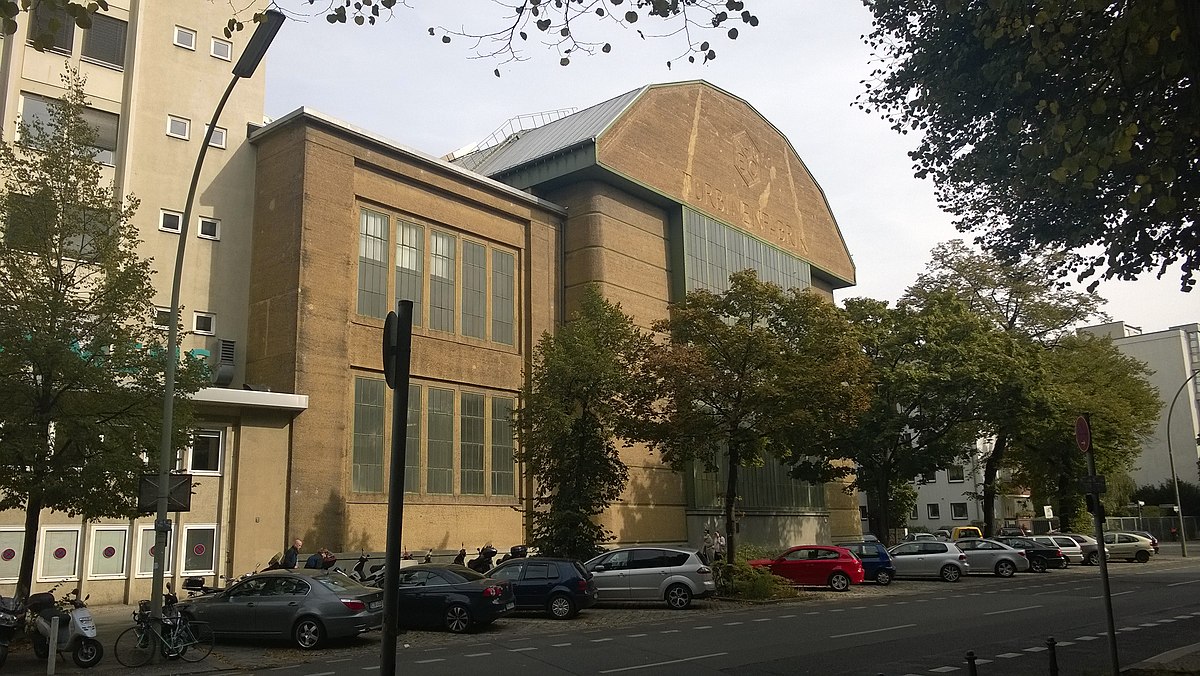
AEG's Turbine factory
📍 Berlin, Germany
The AEG Turbine Factory, an iconic structure in Berlin’s Bezirk Mitte, is a significant landmark that reflects the industrial heritage of the city. …
AKA-Radiergummifabrik
📍 Lower Saxony, Germany
The AKA-Radiergummifabrik, a significant former factory located in Hannover, Germany, offers a unique glimpse into the industrial past of the region. …

Alte Malzfabrik
📍 Lower Saxony, Germany
Alte Malzfabrik, located in Mülheim an der Ruhr, Germany, is an intriguing factory site that encapsulates the industrial heritage of the region. This …