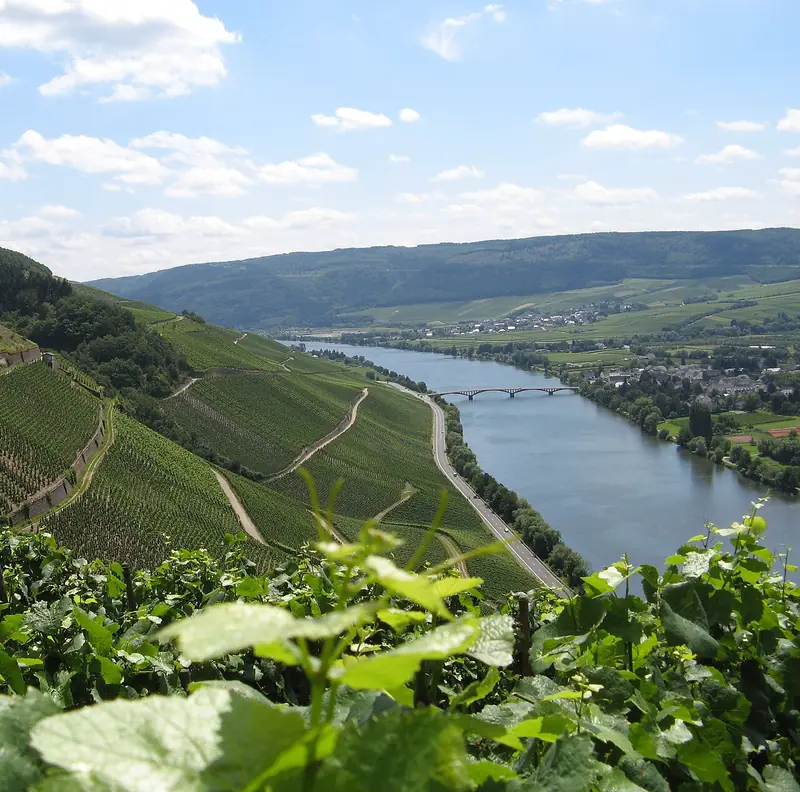
Overview
The Moselle River, coursing through the heart of Western Europe, is a river of notable significance that shapes the landscapes and cultures of Germany. Flowing for about 545 kilometers, it winds its way from the Vosges Mountains in France to its confluence with the Rhine River near Koblenz, Germany. The Moselle plays a crucial role in the region, not only as a vital waterway but also as a cultural and economic artery, supporting a thriving wine industry and picturesque towns that line its banks.
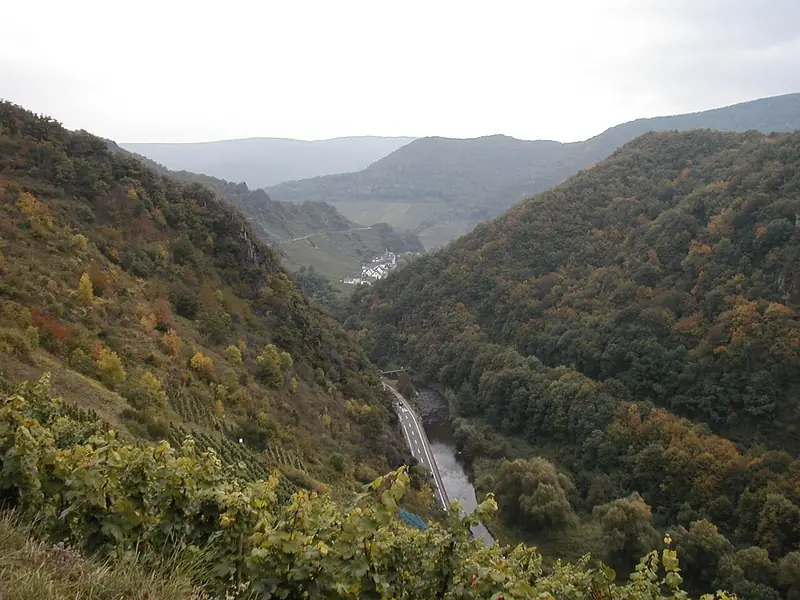
This river meanders through several charming landscapes characterized by steep vineyards, ancient castles, and quaint villages, inviting travelers to explore its scenic beauty. The Moselle is particularly famous for its Riesling wines, which are celebrated globally for their quality. Visitors will find that the river offers a unique blend of natural beauty and cultural heritage, making it an attractive destination for both leisure and exploration.
As you plan your visit, prepare to encounter a region where outdoor activities, culinary delights, and historical exploration come together, creating a multifaceted experience that showcases the best of what Germany has to offer.
History and Significance
The Moselle River has played a pivotal role in the history of the regions it traverses. Its importance dates back to Roman times, when it served as a crucial transportation route for goods and people. The Romans recognized the river’s potential, establishing settlements along its banks and utilizing its waters to facilitate trade. The river was an essential part of the Roman trade network, contributing to the economic vitality of settlements such as Trier, one of Germany’s oldest cities.
Throughout the centuries, the Moselle has witnessed numerous historical events that have shaped the region. It has been the backdrop for the rise and fall of various civilizations and has influenced the cultural development of the towns that have sprung up along its shores. The river’s banks are dotted with remnants of medieval castles and fortifications, many of which were built to protect trade routes and assert territorial claims during times of conflict.
In addition to its historical significance, the Moselle River is also recognized for its ecological value. The surrounding areas are home to diverse flora and fauna, making it a vital habitat for various species. Conservation efforts have been undertaken to protect the river’s natural beauty and biodiversity, ensuring that future generations can enjoy its splendor.
Architecture and Features
The architecture along the Moselle River reflects the diverse cultural influences that have shaped the region over the centuries. Visitors will encounter a range of styles, from Roman ruins to Gothic churches and charming half-timbered houses. The towns of Cochem and Bernkastel-Kues, for instance, feature picturesque streets lined with well-preserved medieval buildings that evoke a sense of history.
One of the most notable architectural features along the Moselle is the plethora of castles that overlook the river. These structures, often perched on hillsides or cliffs, were strategically built to control trade routes and defend against invaders. The Reichsburg Cochem is one such castle, a medieval fortress that offers stunning views of the surrounding landscapes and the river itself. The castle’s architecture showcases the romanticized style of the 19th century, captivating visitors with its fairy-tale appearance.
The river itself is a natural feature that adds to the region’s charm. With its winding paths and serene waters, the Moselle offers opportunities for various outdoor activities, including boating, cycling, and hiking. The Moselle Cycle Path, which runs alongside the river, is a popular route for cyclists seeking to take in the breathtaking scenery while enjoying a leisurely ride.
Visiting Information
Visiting the Moselle River offers a variety of experiences, and planning your trip can enhance your enjoyment of this beautiful region. The river can be accessed from different points, with several towns and villages offering convenient access to its banks.
Transport options vary, with local train services and buses connecting major towns along the river. For those who prefer a more leisurely pace, boat cruises along the Moselle are popular and provide a unique perspective of the landscape. These cruises often include stops at various towns and wineries, allowing visitors to explore the region more thoroughly.
Travelers should check the official website for current information regarding transportation schedules, as well as for specific details about boat tours and local attractions. It’s advisable to allocate at least a full day to explore the highlights of the Moselle, with additional time if you wish to delve deeper into the history and culture of the area.
The best times to visit the Moselle are during the spring and fall months when the weather is mild and the scenery is particularly vibrant. The autumn grape harvest is also a wonderful time to experience local wine festivals, celebrating the region’s viticulture.
Nearby Attractions
While the Moselle River is a destination in itself, several nearby attractions enhance the overall experience:
Trier: As Germany’s oldest city, Trier is rich in Roman history and features impressive landmarks such as the Porta Nigra and the Roman amphitheater.
Cochem: This charming town is famous for its picturesque castle and delightful streets lined with shops and cafes. Visitors can enjoy scenic views from the castle’s towers.
Bernkastel-Kues: Known for its wine production, this town offers beautiful wine estates and a charming market square, ideal for leisurely exploration.
Beilstein: Often referred to as the “Sleeping Beauty of the Moselle,” this small village is characterized by its medieval architecture and serene ambiance.
Eltz Castle: Located a short drive from the Moselle, this fairy-tale castle is surrounded by lush forests and is a must-visit for history enthusiasts.
Insider Tips
To make the most of your visit to the Moselle River, consider these insider tips:
Photography: The river and its surroundings offer numerous photo opportunities, especially during sunrise and sunset. Early mornings are often quieter, allowing for serene shots without crowds.
Crowd Avoidance: While popular towns can get busy, visiting during the shoulder seasons of spring and fall can help you avoid the peak tourist influx, providing a more relaxed experience.
Practical Information
When preparing for your visit to the Moselle River, consider the following practical information:
What to Bring: Comfortable walking shoes are essential for exploring towns and hiking trails. A reusable water bottle and sunscreen are also recommended, especially during warmer months.
Seasonal Considerations: The Moselle experiences a temperate climate, so dress according to the season. Layers are advisable, as evenings can be cooler, even in summer.
Frequently Asked Questions
How long should I spend visiting?
A full day is recommended to explore the highlights of the Moselle, with more time if you wish to visit multiple towns or enjoy wine tasting.
Is photography allowed?
Yes, photography is generally permitted throughout the area, but be mindful of private properties and individuals.
Are there guided tours?
Yes, several companies offer guided tours along the Moselle, including wine tours and historical excursions.
What’s the best time to visit?
Spring and fall are ideal for pleasant weather and vibrant landscapes, while autumn offers wine festivals.
Is it wheelchair accessible?
Accessibility varies by location; many towns have paved paths, but check specific sites for detailed accessibility options.
Can I buy tickets online?
For boat tours and some attractions, online ticket purchasing may be available. Check official websites for details.
Are there restrooms and cafes?
Most towns along the Moselle have cafes and public restrooms, making it convenient for visitors.
What should I wear?
Dress in layers for comfort, and wear comfortable shoes suitable for walking or hiking.
The Moselle River offers a captivating blend of natural beauty, cultural significance, and historical intrigue, making it an enriching destination for travelers seeking to immerse themselves in the essence of Germany.