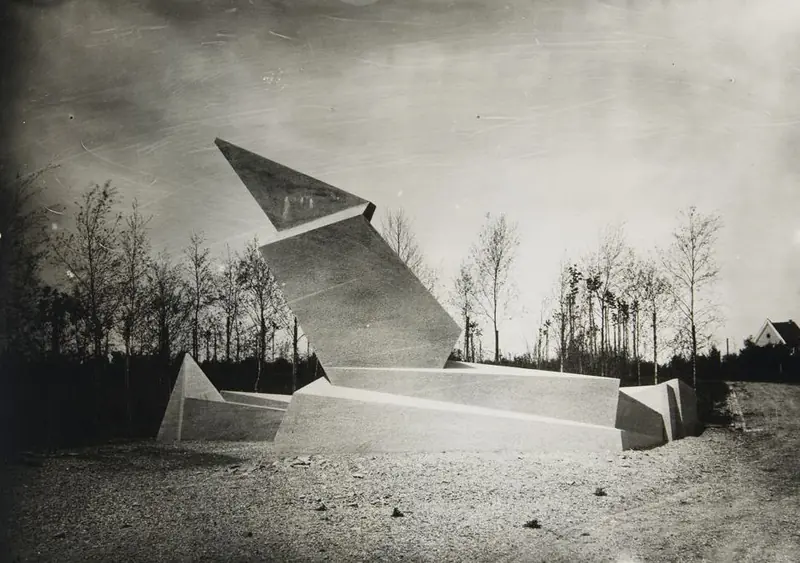
Overview
In the heart of Weimar, Germany, the Monument to the March Dead stands as a solemn tribute to those who lost their lives during the tumultuous events of March 1919. This memorial encapsulates the spirit of remembrance and reflection, inviting visitors to ponder the complexities of history and the human condition. Weimar, a city known for its cultural heritage and historical significance, serves as an apt backdrop for this poignant monument.
The Monument to the March Dead is not only a site of memorialization but also a place that prompts discussions about the impact of political and social upheaval on communities. Its presence in Weimar, a city that has witnessed significant historical events, adds layers of context to its importance. Visitors can expect a thought-provoking experience as they engage with the monument and its surroundings, deepening their understanding of the past while contemplating the future.
History and Significance
The Monument to the March Dead commemorates the victims of a tragic event that unfolded in March 1919, where clashes between government forces and workers resulted in substantial loss of life. This period was marked by political instability in post-World War I Germany, reflecting a broader struggle for social justice and political reform that characterized the Weimar Republic era. The monument serves as a reminder not only of the specific events of March 1919 but also of the ongoing struggles for human rights and dignity.
Weimar itself has long been a center for cultural and intellectual thought, drawing influential figures such as Goethe and Schiller. The city was transformed after World War I, as new political ideas emerged and societal structures began to shift. The monument stands as a significant cultural artifact within this context, representing the aspirations and tragedies of a society in flux. Its creation was likely driven by a desire to memorialize those who fought for change, offering a space for collective mourning and reflection.
As visitors approach the monument, they are invited to consider the implications of political violence and the importance of preserving memory in the face of historical amnesia. This connection to broader themes of conflict, resolution, and the human experience elevates the monument beyond a simple memorial; it becomes a site for contemplation on the fragility of peace and the importance of civic engagement.
Architecture and Features
The Monument to the March Dead is characterized by its austere architectural style, which reflects the somber nature of its purpose. While specific details about the monument’s dimensions and materials are not provided, the design typically embodies elements that evoke a sense of solemnity and reverence. Monuments of this type often feature stark, geometric lines and are constructed from durable materials intended to withstand the test of time.
Visitors may notice inscriptions or symbolic elements that contribute to the overall narrative of the monument. These features could include plaques or engravings that honor the fallen, inviting reflection on their sacrifice and the circumstances surrounding their deaths. The simplicity of the design often serves to enhance the emotional impact of the site, allowing visitors to focus on the memorial’s significance rather than its aesthetic embellishments.
The placement of the monument within Weimar adds to its significance, as it is likely situated in a location that encourages public engagement. This accessibility allows the monument to serve not just as a place of mourning, but as a focal point for discussions about history, memory, and the lessons that can be drawn from the past.
Visiting Information
Visiting the Monument to the March Dead provides an opportunity for introspection and engagement with history. Travelers can reach Weimar by various means of transport, including trains and buses, which connect the city to major urban centers in Germany. Upon arriving in Weimar, the monument is likely situated within walking distance of other significant sites, making it a convenient stop on a broader exploration of the city.
While specific visiting hours and ticket prices are not detailed, it is advisable to check the official website for current information before planning your visit. This resource will provide the most accurate and up-to-date information regarding accessibility and potential guided tours.
Visitors should anticipate spending some time at the monument, allowing for quiet reflection and the opportunity to absorb the atmosphere. The best times to visit may coincide with less crowded moments during the day, offering a more personal experience with the site. Early mornings or late afternoons might be ideal for those looking to avoid larger groups.
Nearby Attractions
Weimar is home to numerous attractions that complement a visit to the Monument to the March Dead. Here are a few notable sites within close proximity:
Bauhaus Museum Weimar: Celebrating the Bauhaus movement, this museum features exhibitions that explore the influential design school founded in Weimar in 1919.
Goethe National Museum: Housed in the former residence of Johann Wolfgang von Goethe, this museum offers insights into the life and works of one of Germany’s literary giants.
Schiller Museum: Dedicated to the playwright Friedrich Schiller, this museum showcases his life and contributions to literature, as well as the cultural scene of Weimar.
Weimar City Castle: A historical site that dates back to the medieval period, the city castle is an impressive structure featuring beautiful gardens and a rich history.
Park an der Ilm: A picturesque park that offers a tranquil setting for a leisurely stroll, perfect for reflecting on the themes presented by the Monument to the March Dead.
Insider Tips
To enhance your visit to the Monument to the March Dead, consider the following tips:
Photography: While capturing the monument can be a meaningful way to remember your visit, be respectful of the solemn atmosphere. Avoid using flash and consider the presence of other visitors who may be there for reflection.
Crowd Avoidance: If you prefer a quieter experience, aim to visit during weekdays or early in the morning when foot traffic is typically lighter. This will allow for a more contemplative visit.
Practical Information
When planning your visit, it’s important to consider a few practical details:
What to Bring: Comfortable walking shoes are advisable, as you may want to explore Weimar further after visiting the monument. A notebook or journal can be useful for jotting down thoughts and reflections inspired by your experience.
Seasonal Considerations: Weimar experiences a range of weather conditions throughout the year. Check the forecast ahead of your visit and dress accordingly, especially if you plan to spend time outdoors.
Frequently Asked Questions
How long should I spend visiting?
A visit to the Monument to the March Dead typically takes about 30 minutes to an hour, allowing time for reflection and exploration of the surrounding area.
Is photography allowed?
Photography is generally permitted, but it’s wise to be mindful of the memorial’s solemn nature and the presence of other visitors.
Are there guided tours?
Check the official website for information on whether guided tours are offered, as they can provide valuable context and insights into the monument’s significance.
What’s the best time to visit?
Early mornings or late afternoons during weekdays are often the best times to visit to avoid large crowds.
Is it wheelchair accessible?
For specific accessibility information, please check the official website before your visit.
Can I buy tickets online?
Check the official website for details regarding ticket purchasing options, as they may vary.
Are there restrooms and cafes?
Facilities may be available nearby, but it’s advisable to check the official website for the most current information.
What should I wear?
Dress comfortably and appropriately for the weather, keeping in mind that you may be walking or standing for extended periods.