Overview
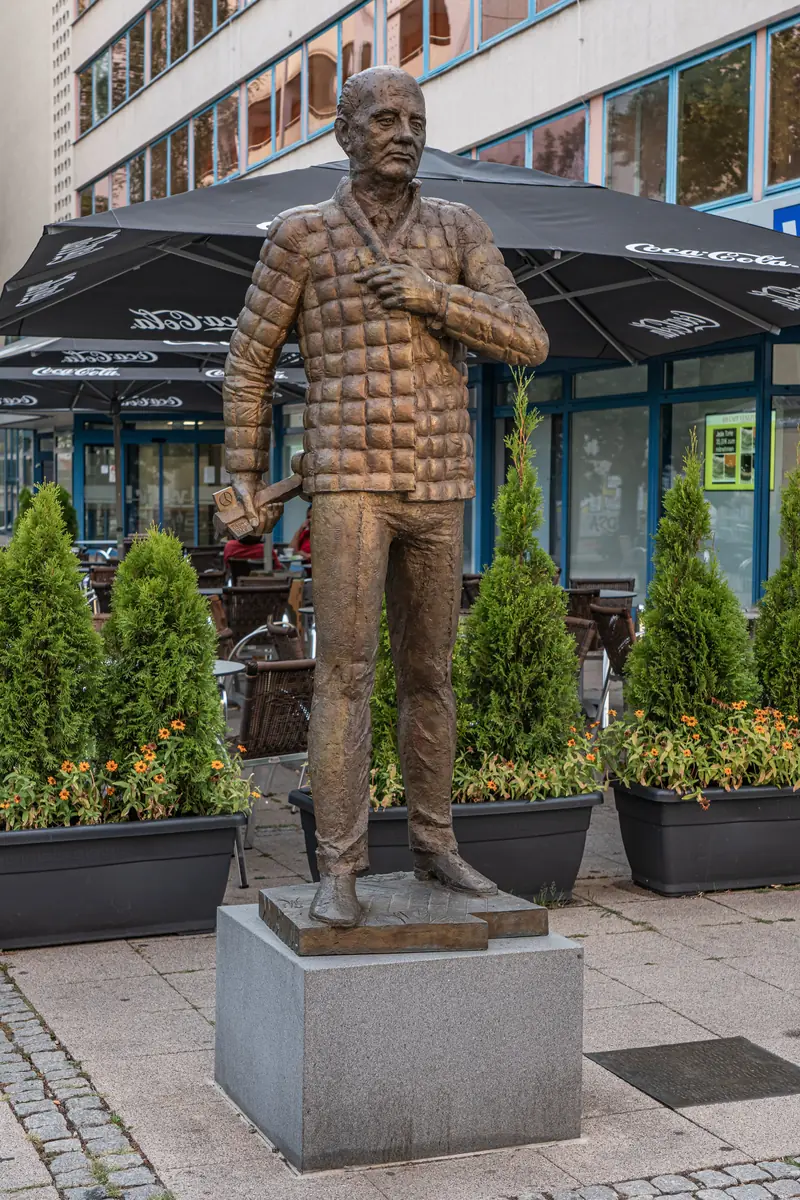
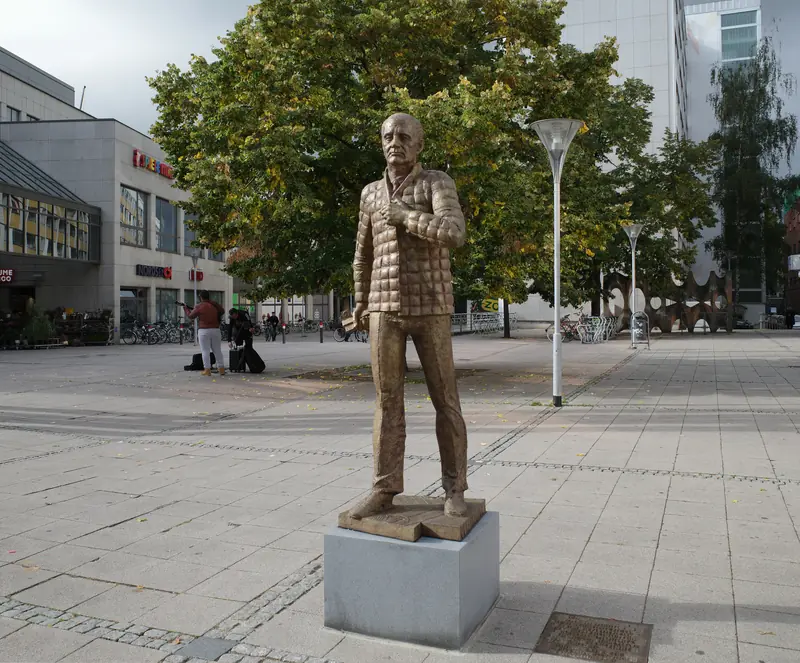
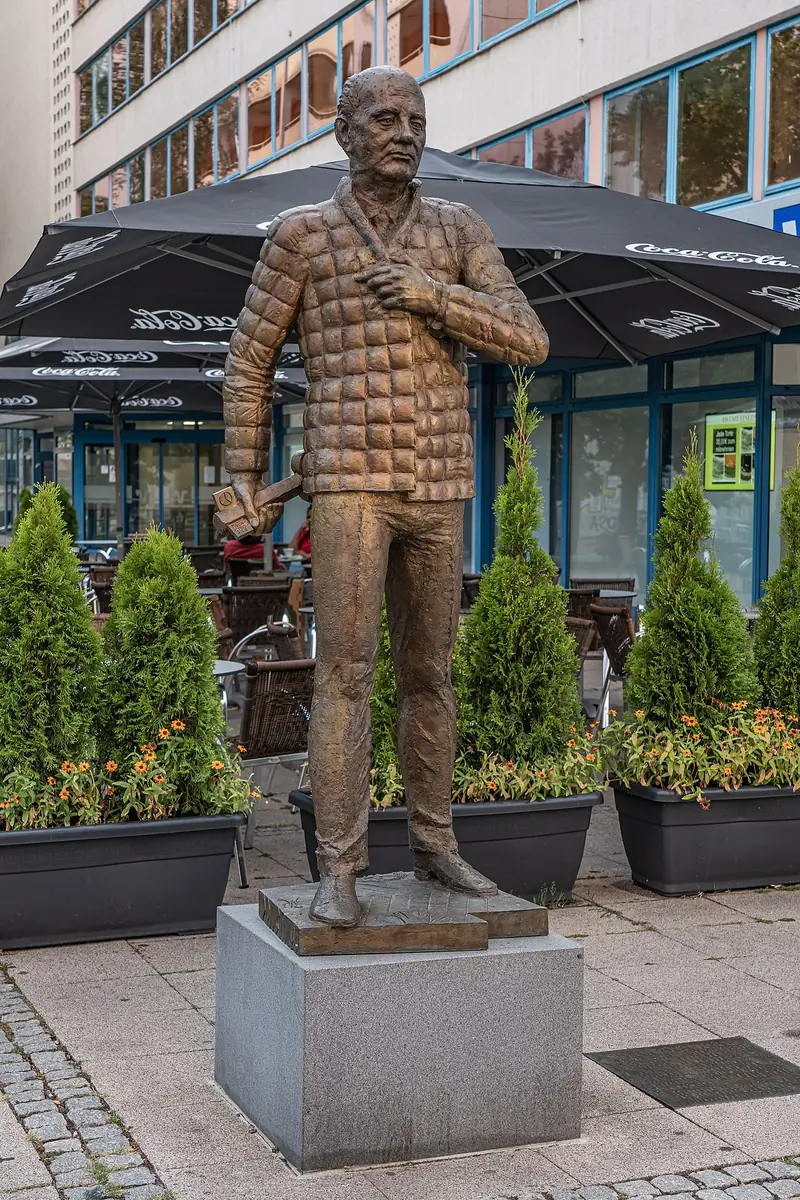
In the heart of Dessau-Roßlau, Germany, the Monument to Gorbachev stands as a significant emblem of modern political history. This monument commemorates Mikhail Gorbachev, the last leader of the Soviet Union, whose policies of glasnost (openness) and perestroika (restructuring) played pivotal roles in the end of the Cold War and the subsequent reunification of Germany. The monument not only serves as a tribute to Gorbachev’s contributions but also as a reminder of the broader socio-political transformations that swept across Europe in the late 20th century.
Situated at the coordinates 51.834711, 12.246371, the monument’s location is reflective of the area’s historical significance during a time of great change. Visitors to the site can expect to engage with a piece of history that influences contemporary discussions around governance, freedom, and international relations. The monument provides an opportunity to reflect on the complexities of leadership and the impact of political decisions on everyday lives.
History and Significance
The Monument to Gorbachev encapsulates a critical period in world history. Mikhail Gorbachev, who rose to prominence in the 1980s, initiated a series of reforms that aimed to revitalize the stagnating Soviet economy and society. His policies encouraged greater transparency and freedom of expression, which ultimately contributed to the dissolution of the Soviet Union in 1991. Gorbachev’s leadership was instrumental in fostering relationships between East and West, facilitating dialogues that would lead to the end of decades of Cold War tensions.
In Germany, Gorbachev is often credited with playing a vital role in the reunification process. The fall of the Berlin Wall in 1989 was a direct result of the liberalization policies he endorsed, allowing Eastern European countries to break free from Soviet influence. As a symbol of these transformative events, the Monument to Gorbachev not only honors his legacy but also serves as a reminder of the power of political change and the pursuit of peace.
The monument also holds cultural significance, reflecting the hopes and aspirations of a generation that witnessed profound shifts in geopolitical landscapes. It stands as a conversation starter about democracy, individual rights, and the responsibilities of leadership. The site invites visitors to ponder the implications of Gorbachev’s policies and the ongoing dialogue about governance and liberty in contemporary society.
Architecture and Features
The Monument to Gorbachev is characterized by its distinct design, which melds traditional commemorative styles with modern artistic expression. While specific details of the monument’s dimensions and materials are not available, its stature and design elements are intended to evoke a sense of reverence and reflection. Visitors can observe the statue’s posture and features, which are crafted to embody Gorbachev’s approachable demeanor and the weight of his responsibilities as a leader.
Notable features of the monument may include inscriptions or plaques that provide context about Gorbachev’s life and achievements, further enhancing the educational value of the site. The surrounding area is likely landscaped to complement the monument, providing a serene environment for contemplation and learning.
Overall, the monument serves not only as a physical representation of Gorbachev but also as an artistic interpretation of the ideals he championed. It stands as a focal point for discussions about leadership, power, and the impact of individual actions on the course of history.
Visiting Information
For those planning a visit, the Monument to Gorbachev is accessible via various modes of transportation. Public transport options in Dessau-Roßlau are likely available, providing convenient access to the site. Visitors should check the official website for current information regarding hours of operation and any potential fees associated with entry.
When visiting, guests can anticipate spending approximately one hour at the monument, allowing time for reflection, photography, and reading informational materials. The best times to visit are during the late spring and early autumn when the weather is generally mild, making outdoor exploration more enjoyable.
Upon arrival, visitors can expect a tranquil atmosphere, ideal for engaging with the monument’s historical context. The site encourages a respectful approach, as it memorializes a figure of significant historical impact.
Nearby Attractions
Dessau-Roßlau is home to several attractions that complement a visit to the Monument to Gorbachev. Nearby sites include:
Bauhaus Dessau: This UNESCO World Heritage site is an iconic example of modernist architecture and design, reflecting the principles of the Bauhaus movement.
Dessau-Wörlitz Garden Realm: A picturesque landscape park that showcases stunning gardens, lakes, and classical architecture, perfect for leisurely strolls.
The Anhaltinisches Theater: A cultural venue hosting various performances, offering a taste of local arts and entertainment.
The Kurt Weill Centre: Dedicated to the composer Kurt Weill, this center highlights his contributions to music and theatre, particularly in the context of the German cultural scene.
These attractions provide opportunities for further exploration of the region’s artistic and historical heritage.
Insider Tips
To make the most of your visit to the Monument to Gorbachev, consider these insider tips:
Photography: The monument is a striking subject for photography. Early morning or late afternoon light can enhance your images with softer shadows and a warm glow.
Crowd Avoidance: Visiting on weekdays or during off-peak hours can offer a more peaceful experience, allowing for contemplation without the distractions of larger crowds.
Practical Information
When visiting the Monument to Gorbachev, it’s advisable to bring along essentials like water, a camera for capturing the monument’s features, and comfortable walking shoes. Given the site’s outdoor nature, seasonal considerations are important; during winter months, be prepared for colder weather, and in summer, consider sun protection.
Checking the official website before your visit can provide additional insights into any upcoming events or changes in visiting hours, ensuring a well-planned excursion.
Frequently Asked Questions
How long should I spend visiting?
A visit typically takes about one hour, allowing time for reflection and exploration of the site.
Is photography allowed?
Yes, photography is permitted, so be sure to bring your camera to capture this historical monument.
Are there guided tours?
Check the official website for information regarding guided tours, which may provide deeper insights into the monument’s significance.
What’s the best time to visit?
Late spring and early autumn are ideal for pleasant weather and fewer crowds.
Is it wheelchair accessible?
The monument is designed to be accessible, but checking the official website for specific accessibility information is recommended.
Can I buy tickets online?
Check the official website for information on ticket purchasing options, if applicable.
Are there restrooms and cafes?
Nearby facilities may not be explicitly mentioned, so it’s best to plan your visit accordingly.
What should I wear?
Dress comfortably and appropriately for the weather, especially if you plan to spend time outdoors.
Photo Gallery