
Möthlitzer Schloss
Overview
Möthlitzer Schloss, a charming manor house located in the picturesque Milower Land region of Germany, offers visitors a glimpse into the architectural and cultural history of Brandenburg. This elegant structure, characterized by its distinctive design and historical significance, serves as a remarkable example of the manor houses that once dotted the landscape of rural Germany. Surrounded by serene countryside and lush greenery, the estate stands as a reminder of the region’s agricultural heritage and the lifestyles of the nobility in centuries past.
The allure of Möthlitzer Schloss extends beyond its physical presence; it represents the rich tapestry of local history and tradition that continues to shape the identity of the area today. Whether you are a history enthusiast, an architecture aficionado, or simply someone seeking a peaceful retreat from the hustle and bustle of modern life, Möthlitzer Schloss promises an engaging experience that combines cultural appreciation with tranquility.
Visitors to the manor house can expect to immerse themselves in a setting that reflects the grandeur of its era while enjoying the beautiful surroundings of Milower Land. With its elegant façade and well-maintained grounds, Möthlitzer Schloss invites exploration and contemplation, making it a worthwhile addition to any travel itinerary in the region.
History and Significance
Möthlitzer Schloss has a storied past that encapsulates the development of manorial estates in Brandenburg. Originally established as a Gutshaus, or manor house, it served as the residence for local nobility and played a key role in the agricultural and social life of the community. The estate reflects the evolution of land ownership and the impact of feudal systems that governed rural life in Germany.
The manor house is significant not only for its architectural features but also for the cultural narratives it embodies. Throughout its history, the estate has witnessed various transformations, adapting to the changing social and political landscapes of the region. These shifts often mirrored broader historical events in Germany, such as the impacts of industrialization and the two World Wars.
Möthlitzer Schloss has also been a focal point for local events and gatherings, further cementing its role in the community. As a venue for celebrations, it has contributed to the preservation of local traditions and the promotion of regional culture. Today, the manor house serves as a reminder of this rich heritage, offering visitors insights into the lives of those who once inhabited these walls and the agricultural practices that shaped the land.
Despite the passage of time, Möthlitzer Schloss continues to hold significance in the collective memory of the region. Its architectural elegance and historical importance make it a valuable asset in understanding the cultural landscape of Brandenburg, providing a tangible connection to the past that resonates with both locals and visitors alike.
Architecture and Features
The architectural style of Möthlitzer Schloss reflects the traditional design elements associated with German manor houses. The building is notable for its classic lines and well-proportioned façade, which convey a sense of stateliness befitting its historical role. While specific architectural details may vary, the structure typically showcases features such as large windows, decorative cornices, and a symmetrical layout that exemplifies the grandeur of its time.
Surrounding the manor is a carefully maintained landscape that complements the building’s aesthetic. The grounds may include gardens, pathways, and open spaces that enhance the overall experience for visitors. These areas provide opportunities for leisurely strolls and quiet reflection, allowing guests to appreciate both the natural beauty and the architectural elegance of the estate.
Inside, the manor house may feature a range of rooms and spaces that reflect its historical use, including reception areas, dining rooms, and possibly even private quarters. Each room tells a story, echoing the lives of those who once resided within these walls. While specific interior details may not be documented, the overall ambiance is likely to evoke a sense of the past, inviting visitors to imagine the gatherings and moments that unfolded here.
As a whole, Möthlitzer Schloss stands as an exemplar of the manor house tradition in Germany, encapsulating the architectural styles and cultural values of its era. Its well-preserved condition allows for an appreciation of both its historical context and its continued relevance in contemporary society.
Visiting Information
Visiting Möthlitzer Schloss offers a unique opportunity to immerse yourself in the heritage of the Milower Land region. Access to the manor house is generally straightforward, and various transport options may be available, including personal vehicles and public transportation. As the specifics can change, it is advisable to check the official website for current information regarding transport details and accessibility.
Once you arrive, you can expect a welcoming atmosphere where history and nature intertwine. The estate typically encourages exploration, allowing visitors to wander through its grounds, appreciate the architecture, and engage with the historical narratives associated with the site. A visit to Möthlitzer Schloss can be enjoyed at a leisurely pace, making it suitable for both quick visits and more in-depth explorations.
To make the most of your visit, consider allocating a few hours to fully appreciate the site. This timeframe will allow for a thorough examination of the manor house and its surroundings, as well as the opportunity to engage with any exhibitions or events that may be taking place.
For the best experience, it is recommended to check the official website for current information regarding opening hours and any potential entrance fees. Seasonal considerations may also influence your visit, so planning accordingly can enhance your experience at Möthlitzer Schloss.
Nearby Attractions
The Milower Land region is rich with attractions that complement a visit to Möthlitzer Schloss. Here are a few notable nearby sites that may pique your interest:
Havelland: This enchanting area is known for its beautiful landscapes, waterways, and charming villages. It presents opportunities for outdoor activities such as hiking and cycling, making it an ideal destination for nature enthusiasts.
Rittergut Ketzin: Just a short distance away, this historical estate offers visitors a glimpse into the agricultural heritage of the region. The grounds and architecture provide a fascinating contrast to Möthlitzer Schloss.
Potsdam: A bit further afield, the city of Potsdam is renowned for its stunning palaces and gardens, particularly Sanssouci Park. A day trip to Potsdam can add a layer of cultural exploration to your itinerary.
Brandenburg an der Havel: This historic city offers scenic views of the Havel River, along with historical buildings and museums that tell the story of the region’s past.
Nature Reserves: The surrounding area contains several nature reserves that showcase the local flora and fauna, perfect for those looking to immerse themselves in the natural beauty of Brandenburg.
Insider Tips
When visiting Möthlitzer Schloss, consider the following insider tips to enhance your experience:
Photography: The manor house and its grounds provide ample opportunities for photography, particularly during golden hour when the light casts a warm glow on the architecture. Be mindful of any restrictions on photography inside the building, and always respect the space.
Crowd Avoidance: To enjoy a more tranquil visit, try to plan your trip during weekdays or earlier in the morning. This can help you avoid larger crowds, allowing for a more intimate experience with the heritage site.
Guided Tours: Check if guided tours are available, as they can provide deeper insights into the history and significance of the manor house.
Practical Information
To ensure a pleasant visit to Möthlitzer Schloss, consider the following practical information:
What to Bring: Comfortable walking shoes are recommended, as you may be exploring both the interior and exterior of the manor house. Additionally, bringing a camera or notebook can enhance your experience.
Seasonal Considerations: The best time to visit may vary by season. Spring and summer typically offer pleasant weather for outdoor exploration, while autumn can provide a beautiful backdrop of changing leaves. Winter visits may require warm clothing, so plan accordingly.
Amenities: While specific amenities may vary, be sure to check the official website for information on facilities such as restrooms and cafes, which can enhance your visit.
Frequently Asked Questions
How long should I spend visiting?
A visit of a few hours is typically recommended to fully appreciate the manor house and its grounds.
Is photography allowed?
Photography is generally permitted outside, but check for any restrictions inside the manor.
Are there guided tours?
Guided tours may be available; check the official website for details and scheduling.
What’s the best time to visit?
Weekdays or early mornings are often the best times to visit to avoid larger crowds.
Is it wheelchair accessible?
Accessibility may vary; check the official website for specific information regarding wheelchair access.
Can I buy tickets online?
Ticket purchasing options may be available online; please refer to the official website for current information.
Are there restrooms and cafes?
Amenities such as restrooms and cafes may be available; confirm details on the official website prior to your visit.
What should I wear?
Comfortable clothing and shoes are advisable, especially if you plan to explore the grounds. Seasonal attire is also recommended.
More in Brandenburg
Agnetenkloster
📍 Brandenburg, Germany
Agnetenkloster, a former monastery located in the heart of Magdeburg, Germany, invites visitors to explore its serene ambiance and historical …

Agroneum
📍 Brandenburg, Germany
Agroneum is a museum located in the serene landscape of Alt Schwerin, Germany. This establishment serves as a vibrant hub for those interested in the …

Alexander Nevsky Memorial Church
📍 Brandenburg, Germany
The Alexander Nevsky Memorial Church in Potsdam, Germany, offers visitors a unique glimpse into the city’s cultural and religious heritage. This …
Alexandrowka
📍 Brandenburg, Germany
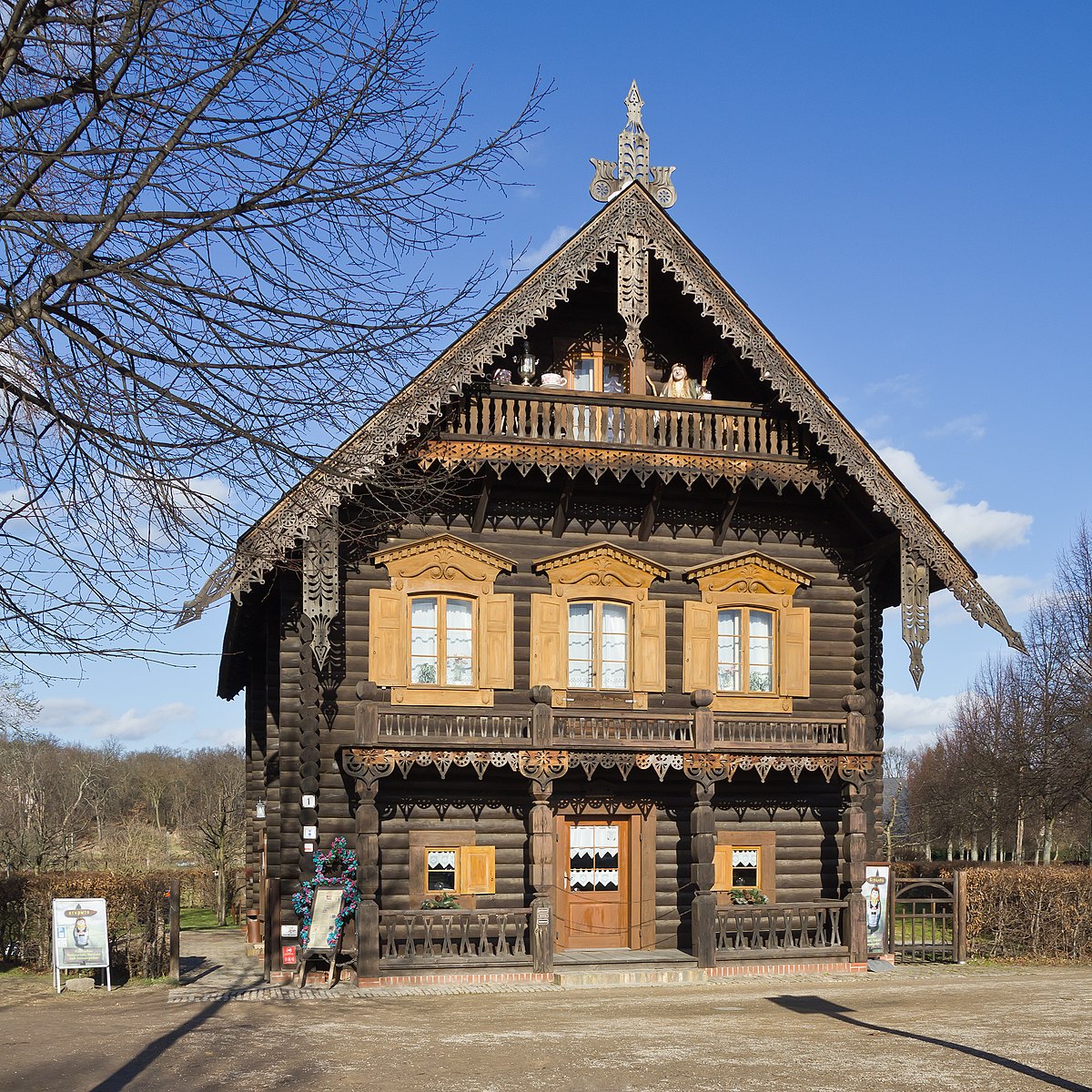
Located in the picturesque city of Potsdam, Germany, Alexandrowka is an intriguing architectural ensemble that reflects a unique blend of Russian and …

Alte Burg Penzlin
📍 Brandenburg, Germany
Alte Burg Penzlin, a captivating castle located in the quaint town of Penzlin, Germany, serves as a remarkable example of medieval architecture and …

Alte Dorfkirche Röxe
📍 Brandenburg, Germany
The Alte Dorfkirche Röxe stands as a poignant symbol of architectural and cultural history in the Stendal region of Germany. This church building, …
More Manor Houses
Altfriedstein
📍 Saxony, Germany
Altfriedstein, a distinguished manor house located in the charming district of Niederlößnitz, Radebeul, Germany, presents an intriguing glimpse into …

Amalienhof
📍 Baden-Württemberg, Germany
Amalienhof, a distinguished manor house located in the charming town of Sulzfeld, Germany, offers visitors a glimpse into the elegance of historical …

Burg Klevenow
📍 Mecklenburg-Vorpommern, Germany
Burg Klevenow, a remarkable manor house located in the scenic region of Süderholz, Germany, offers visitors a glimpse into the architectural and …

Burg Trechow
📍 Mecklenburg-Vorpommern, Germany
Burg Trechow, a distinguished manor house located in the serene region of Bernitt, Germany, offers a glimpse into the architectural and cultural …

Castle Reckenberg
📍 Hesse, Germany
Castle Reckenberg, located in Fürstenberg, Germany, is an impressive manor house that captures the essence of historical architecture and cultural …

Crossen Palace
📍 Saxony, Germany
Crossen Palace, a distinguished manor house located in Crossen an der Elster, Germany, offers visitors a unique glimpse into the architectural …