Overview
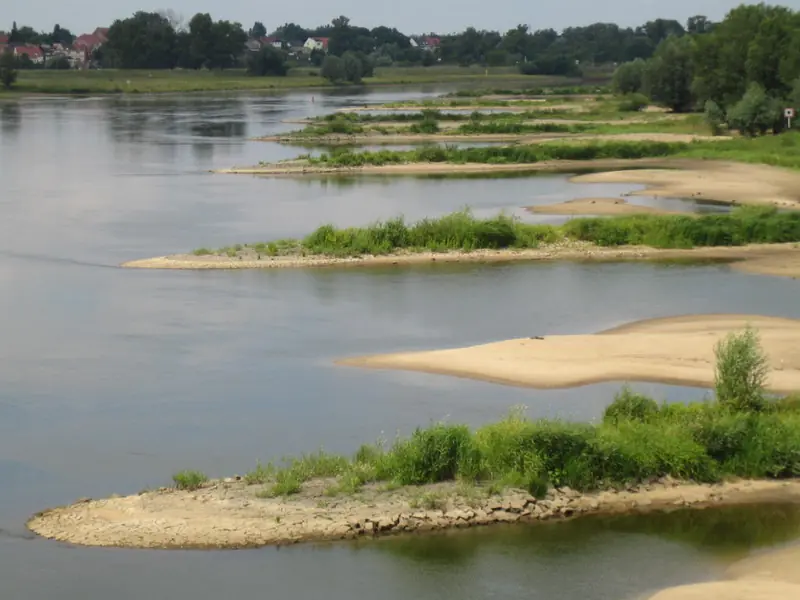
The Mittlere Oder Nature Reserve, located in the heart of Brandenburg, Germany, is a captivating expanse of biodiversity that draws nature enthusiasts, bird watchers, and outdoor adventurers alike. Spanning lush wetlands, tranquil rivers, and diverse ecosystems, this reserve serves as a critical habitat for numerous species and plays a vital role in conservation efforts. The region’s unique geographical features, shaped by the winding Oder River, create an environment rich in flora and fauna, making it a vital area for ecological research and public education. Visiting the Mittlere Oder offers an opportunity to immerse oneself in the serene beauty of nature while appreciating the ecological significance of this protected area.
History and Significance
The Mittlere Oder Nature Reserve’s significance transcends mere ecological value, intertwining with the cultural history of the Brandenburg region. The Oder River has historically been a vital waterway for trade and transportation, influencing the development of settlements along its banks. Over time, as industrialization progressed, the need for conservation became increasingly apparent. The establishment of the nature reserve aimed to protect the delicate ecosystems that were threatened by human activities such as agriculture, development, and pollution.
Today, the reserve is recognized not only for its ecological richness but also for its role in promoting environmental awareness. It serves as a living laboratory for scientists studying the interactions between various species and their habitats. The reserve is crucial for the conservation of many endangered species, providing a safe haven where they can thrive. The cultural importance of the area is reflected in its local communities, which have long relied on the natural resources provided by the river and its surroundings.
In addition to its ecological and cultural significance, the Mittlere Oder Nature Reserve also plays a role in recreation and education. The development of walking and cycling paths encourages visitors to explore the landscape, fostering a deeper appreciation for the natural environment. Through various educational programs, the reserve engages the public in conservation efforts, highlighting the importance of protecting such irreplaceable habitats.
Architecture and Features
The architecture within the Mittlere Oder Nature Reserve is primarily natural, with the landscape itself serving as the main feature. The reserve encompasses a diverse range of ecosystems, including wetlands, floodplains, and riverine forests. The presence of the Oder River is a defining characteristic, with its meandering courses creating a variety of habitats that support a wide range of wildlife.
Notable features of the reserve include its extensive network of paths and observation points designed for visitors to engage with the natural environment. These paths provide accessibility to various areas of the reserve, allowing for leisurely strolls or more vigorous hikes. Birdwatching platforms are strategically placed to offer stunning views of migratory and resident bird species, making it an ideal spot for ornithologists and casual observers alike. The landscape is punctuated by lush vegetation, including reeds, willows, and various native plants that contribute to the overall ecological diversity.
The reserve’s management focuses on preserving the integrity of these natural features while promoting sustainable visitor engagement. The careful balance between conservation and recreation is evident in the park’s layout, which prioritizes the protection of sensitive habitats while ensuring that visitors can experience the beauty of the landscape.
Visiting Information
Reaching the Mittlere Oder Nature Reserve is relatively straightforward, with various transport options available. Visitors can access the reserve by car or public transport from major cities in the region. Given the reserve’s natural setting, parking facilities are generally available, but check the official website for current information regarding specific locations and accessibility.
As for what to expect upon arrival, visitors will find a peaceful atmosphere that encourages exploration. There are several well-marked trails suitable for walking and cycling, which allow guests to navigate the diverse landscapes at their own pace. Depending on individual interests, most visitors can expect to spend a few hours to a full day exploring the reserve. The best times to visit are during spring and autumn, when wildlife activity is at its peak, and the changing seasons create a visual feast of colors.
Please check the official website for current information regarding hours and entry prices, as these can vary seasonally or due to special events.
Nearby Attractions
While the Mittlere Oder Nature Reserve is a destination in its own right, several nearby attractions enhance the overall visit to the area:
Schloss Neuhardenberg: This historic palace features beautifully landscaped gardens and offers insights into the region’s aristocratic past. The site often hosts cultural events and exhibitions.
Eisenhüttenstadt: A short drive away, this planned industrial city showcases modernist architecture and offers a glimpse into the history of East German industrialization.
Cottbus: Known for its vibrant cultural scene, Cottbus boasts charming parks, museums, and a lively city center, making it an excellent spot for those interested in urban exploration.
Spreewald Biosphere Reserve: Located a bit farther afield, this UNESCO World Heritage site is famous for its unique waterways and offers additional opportunities for outdoor activities such as canoeing and cycling.
Frankfurt (Oder): Situated along the Oder River, this town features historical landmarks and serves as a reminder of the region’s past, particularly its significance in trade and transport.
Insider Tips
To fully enjoy your visit to the Mittlere Oder Nature Reserve, consider the following tips:
Photography: The natural light in the reserve can be exquisite, particularly during the golden hours of sunrise and sunset. Bring a good camera to capture the landscapes and wildlife, but remember to maintain a respectful distance from animals.
Crowd Avoidance: Weekdays tend to be quieter than weekends, making them ideal times for a more solitary experience. Early morning visits can also provide a peaceful atmosphere and increase your chances of spotting wildlife.
Practical Information
When preparing for a visit to the Mittlere Oder Nature Reserve, keep the following considerations in mind:
What to Bring: Comfortable walking shoes, weather-appropriate clothing, a water bottle, and binoculars for birdwatching are essential. Sunscreen and insect repellent can also enhance your experience during warmer months.
Seasonal Considerations: The reserve is accessible year-round, but the experience varies by season. Spring and autumn are particularly rewarding for wildlife observation, while summer offers lush greenery. Winter visits can provide a serene, quiet landscape, though some paths may be less accessible due to snow.
Frequently Asked Questions
How long should I spend visiting?
A few hours to a full day is ideal for exploring the reserve, depending on your interests and pace.
Is photography allowed?
Yes, photography is permitted. However, it is important to respect the wildlife and maintain a safe distance.
Are there guided tours?
While the reserve primarily encourages self-exploration, check the official website for any available guided tours or educational programs.
What’s the best time to visit?
Spring and autumn are often the best times for wildlife viewing and enjoying the natural beauty of the reserve.
Is it wheelchair accessible?
Check the official website for specific accessibility information, as not all areas may be fully accessible.
Can I buy tickets online?
Entry is typically free, but for specific events or programs, check the official website for ticketing options.
Are there restrooms and cafes?
Facilities may be limited within the reserve, so check the official website for current information on amenities.
What should I wear?
Dress comfortably and appropriately for the weather, and consider layering clothing for changing temperatures during your visit.



