
Middle Elbe Biosphere Reserve
Overview
The Middle Elbe Biosphere Reserve is a dynamic and diverse ecosystem located in the heart of Saxony-Anhalt, Germany. This protected area is characterized by its rich biological diversity and commitment to sustainable development. Spanning the banks of the Elbe River, the reserve encompasses a unique landscape where extensive wetlands, floodplains, and woodlands converge, creating a habitat that supports a wide array of flora and fauna. The region is not only a haven for wildlife but also serves as a living laboratory for ecological research and conservation efforts.
The significance of the Middle Elbe Biosphere Reserve lies in its dual role as a sanctuary for nature and a model for sustainable living. It offers visitors the opportunity to engage with nature while promoting an understanding of ecological balance and conservation practices. This biosphere reserve is part of the UNESCO Man and the Biosphere Programme, underscoring its importance on a global scale. Whether you are a nature enthusiast, a bird watcher, or someone interested in sustainable practices, the Middle Elbe Biosphere Reserve promises a profound connection with the natural world.
History and Significance
The Middle Elbe Biosphere Reserve is rooted in a commitment to preserving the natural environment while fostering sustainable practices among local communities. The history of the reserve reflects broader trends in ecological awareness and conservation efforts in Germany and beyond. As industrialization and urban development increasingly threatened natural habitats, there arose a need to protect these vital ecosystems. The establishment of biosphere reserves is part of a global movement to balance human activities with the conservation of biodiversity.
The cultural importance of the Middle Elbe region is highlighted by the interplay between its natural landscapes and the communities that have thrived there. Traditionally, the area has been shaped by agriculture and river-based livelihoods, which have relied on the unique ecological characteristics of the Elbe. Sustainable land use practices have evolved over generations, and today, the reserve is a site for educational initiatives aimed at raising awareness about environmental stewardship.
Furthermore, the Middle Elbe Biosphere Reserve plays a crucial role in ongoing research into biodiversity, habitat restoration, and climate change mitigation. Scientists and conservationists work collaboratively to monitor wildlife populations and restore native plant species, ensuring the resilience of this unique ecosystem for future generations. The reserve not only serves as a refuge for endangered species but also as a vital resource for education and community engagement, highlighting the importance of living in harmony with nature.
Architecture and Features
The architecture and features of the Middle Elbe Biosphere Reserve are defined less by human-made structures and more by the natural landscapes that dominate the area. The reserve is characterized by its expansive wetlands, lush floodplains, and mixed woodlands, offering a living exhibit of ecological diversity.
Visitors can expect to encounter a range of habitats, from riparian zones along the Elbe River to marshy areas that support various bird species. The interplay of water and land here creates a mosaic of environments that are crucial for wildlife. The flora includes native grasses, reeds, and trees, each contributing to the ecological fabric of the reserve.
In addition to its natural features, the reserve may include visitor centers or observation points where guests can learn about the local ecosystem and its inhabitants. These facilities often serve as hubs for educational programs, workshops, and guided tours, aimed at enhancing the visitor experience by providing insights into the significance of the biosphere reserve.
Visiting Information
Visiting the Middle Elbe Biosphere Reserve offers an immersive experience into nature and sustainability. The reserve is accessible via various modes of transportation, with options ranging from personal vehicles to public transport. For those driving, ample parking may be available, but it is advisable to check the official website for current information on facilities and access routes.
When planning your visit, be sure to check the official website for hours and any potential entry fees, as these can vary based on the season or specific events. A typical visit can last several hours, allowing ample time for exploration, wildlife observation, and participation in educational programs.
The best times to visit the reserve are typically during the spring and early autumn when wildlife is most active, and the weather is generally pleasant. During these seasons, you may witness migratory birds and blooming flora, enhancing the overall experience.
Expect to engage in a variety of activities, including walking, birdwatching, and possibly guided tours that delve into the ecological significance of the area. As you explore, remain mindful of your surroundings and the delicate ecosystems that thrive here.
Nearby Attractions
While the Middle Elbe Biosphere Reserve is a destination in itself, there are several nearby attractions that complement your visit:
Burg Fortress: This historical site offers insights into the local history and architecture. The fortress commands a view over the surrounding landscape, making it a worthwhile stop.
Elbe River Cycling Path: For those who enjoy cycling, the path along the Elbe River presents a scenic route that allows for exploration of the diverse landscapes of the biosphere reserve.
Gräfenhainichen: A nearby town known for its charming atmosphere and historical sites. Visitors can explore local eateries and shops, providing a taste of regional culture.
Wörlitzer Park: A UNESCO World Heritage Site, this landscaped park features a variety of horticultural designs, lakes, and architectural structures, showcasing the synergy between nature and human creativity.
The City of Dessau: Known for its Bauhaus architecture and cultural heritage, Dessau is a short drive away and offers additional historical and artistic experiences.
Insider Tips
Photography Tips: The best light for photography typically occurs in the early morning or late afternoon. Bring a telephoto lens for wildlife shots, and consider a tripod for stability.
Crowd Avoidance: Weekdays are generally less crowded compared to weekends. If possible, plan your visit during the off-peak season for a more tranquil experience.
Practical Information
When visiting the Middle Elbe Biosphere Reserve, consider bringing the following items to enhance your experience:
- Comfortable Footwear: Suitable for walking trails and uneven terrain.
- Binoculars: Essential for birdwatching and observing wildlife from a distance.
- Water and Snacks: Staying hydrated and energized while exploring is important, especially during longer visits.
- Sun Protection: Sunscreen and hats can help protect you from sun exposure, particularly during warmer months.
Seasonal considerations also play a role in your visit. Spring and summer can bring warm weather, while autumn may offer cooler temperatures and vibrant foliage. Prepare accordingly to ensure a comfortable experience.
Frequently Asked Questions
How long should I spend visiting?
A visit to the Middle Elbe Biosphere Reserve typically lasts several hours, allowing time for exploration and engagement with educational activities.
Is photography allowed?
Yes, photography is generally allowed, but be respectful of wildlife and other visitors while capturing your experience.
Are there guided tours?
Guided tours may be available, offering deeper insights into the ecology and significance of the biosphere reserve. Check the official website for details.
What’s the best time to visit?
The best times to visit are during spring and early autumn when the weather is pleasant and wildlife is most active.
Is it wheelchair accessible?
Check the official website for specific information on accessibility options within the reserve.
Can I buy tickets online?
For the most accurate information regarding ticketing, visit the official website prior to your visit.
Are there restrooms and cafes?
Restroom facilities and cafes may be available; verify the details on the official website before your visit.
What should I wear?
Dress comfortably for outdoor activities, considering the weather conditions. Layers are recommended, especially in transitional seasons.
More in Brandenburg
Agnetenkloster
📍 Brandenburg, Germany
Agnetenkloster, a former monastery located in the heart of Magdeburg, Germany, invites visitors to explore its serene ambiance and historical …

Agroneum
📍 Brandenburg, Germany
Agroneum is a museum located in the serene landscape of Alt Schwerin, Germany. This establishment serves as a vibrant hub for those interested in the …

Alexander Nevsky Memorial Church
📍 Brandenburg, Germany
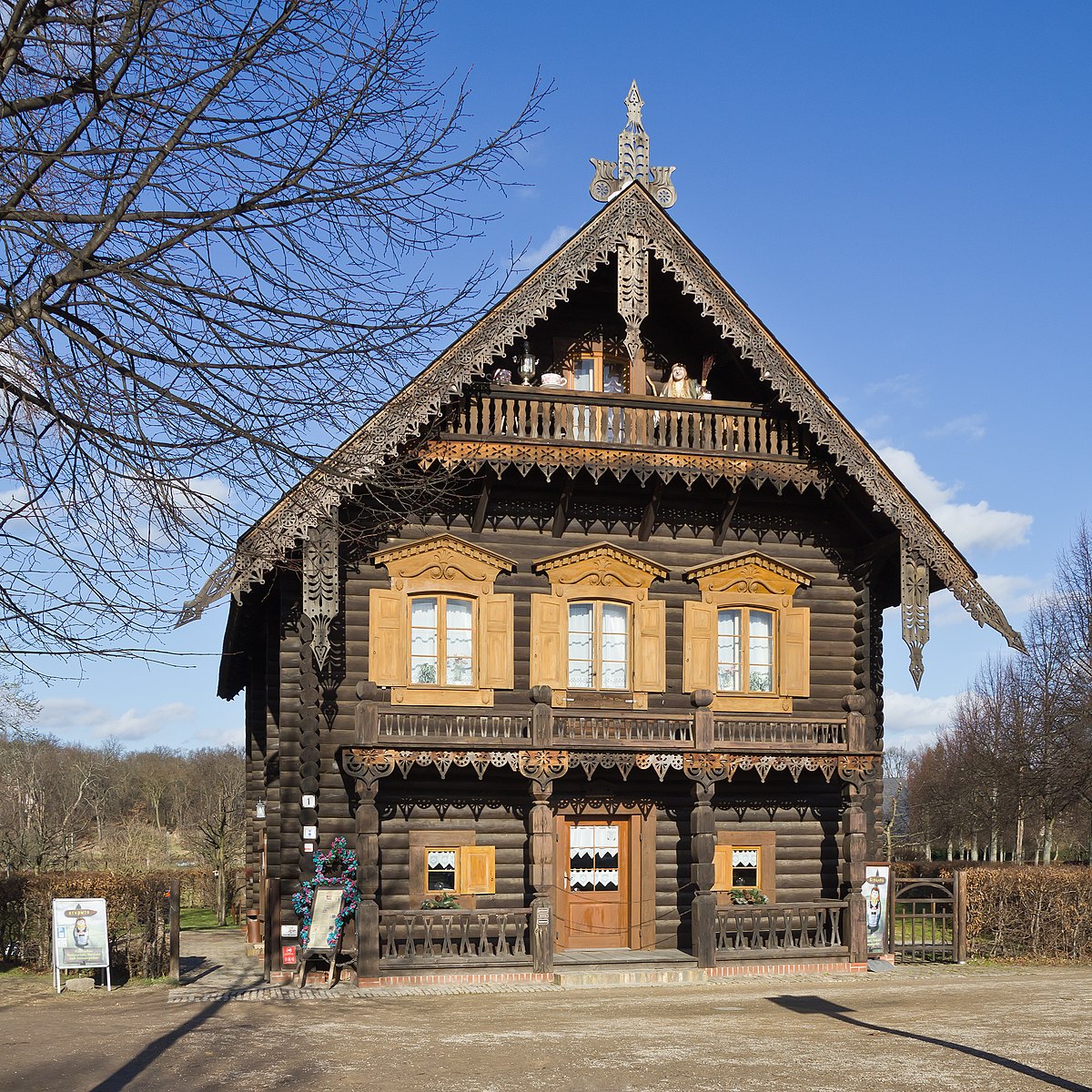
The Alexander Nevsky Memorial Church in Potsdam, Germany, offers visitors a unique glimpse into the city’s cultural and religious heritage. This …
Alexandrowka
📍 Brandenburg, Germany
Located in the picturesque city of Potsdam, Germany, Alexandrowka is an intriguing architectural ensemble that reflects a unique blend of Russian and …

Alte Burg Penzlin
📍 Brandenburg, Germany
Alte Burg Penzlin, a captivating castle located in the quaint town of Penzlin, Germany, serves as a remarkable example of medieval architecture and …

Alte Dorfkirche Röxe
📍 Brandenburg, Germany
The Alte Dorfkirche Röxe stands as a poignant symbol of architectural and cultural history in the Stendal region of Germany. This church building, …
More Biosphere Reserves

Oberlausitzer Heide - und Teichlandschaft Biosphere Reserve
📍 Saxony, Germany
The Oberlausitzer Heide - und Teichlandschaft Biosphere Reserve is a tranquil expanse in Saxony, Germany, characterized by its diverse ecosystems and …

Schorfheide-Chorin Biosphere Reserve
📍 Brandenburg, Germany
The Schorfheide-Chorin Biosphere Reserve in Brandenburg, Germany, is a remarkable expanse of natural beauty and ecological significance. Covering a …

Schwäbische Alb
📍 Baden-Württemberg, Germany
The Schwäbische Alb is a stunning biosphere reserve located in the Baden-Württemberg region of Germany, recognized for its exceptional natural beauty …