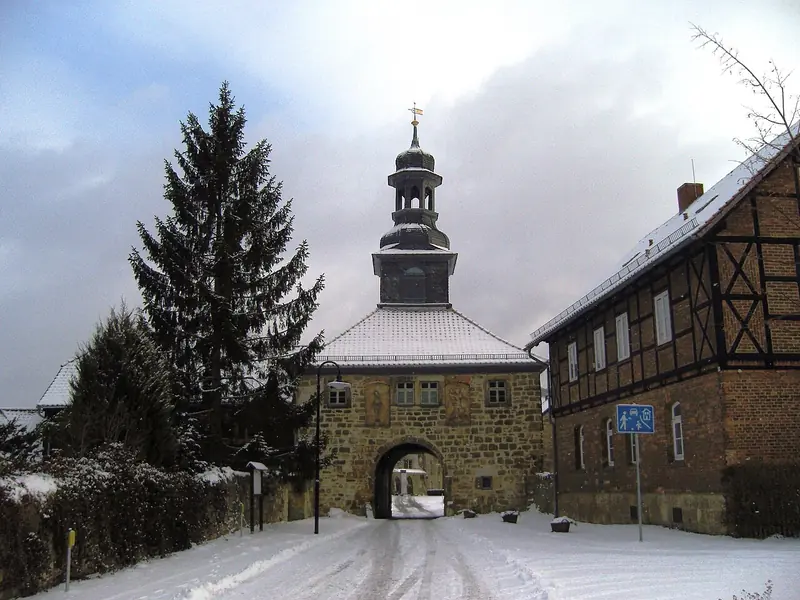
Overview
Michaelstein Abbey, located in the picturesque region of Saxony-Anhalt, Germany, represents a significant chapter in the country’s monastic history. This former monastery, situated in the charming town of Blankenburg in the Landkreis Harz district, offers visitors a unique glimpse into the spiritual and cultural landscape of the area. With its tranquil setting and historical architecture, Michaelstein Abbey invites exploration and reflection, making it an essential stop for those interested in religious heritage and architectural beauty.
The abbey’s serene environment serves as a backdrop for understanding the monastic traditions that shaped the region. As the site of various religious activities and cultural exchanges over the centuries, Michaelstein Abbey carries a legacy that resonates with both history enthusiasts and spiritual seekers. The abbey’s significance extends beyond its physical structure, embodying the enduring influence of monastic life in shaping the cultural identity of this part of Germany.
Visitors can expect a peaceful atmosphere, walking through the grounds that are imbued with centuries of history. The abbey serves not only as a historical site but also as a place of contemplation, making it a memorable destination for individuals and families alike.
History and Significance
Michaelstein Abbey’s history is intertwined with the broader narrative of monastic life in Germany. Established in the 12th century, the abbey became a vital center for the Cistercian order, reflecting the religious fervor of the time. The Cistercians were known for their commitment to simplicity, agriculture, and community living, which significantly influenced the surrounding area and its development.
Throughout its history, Michaelstein Abbey has played a pivotal role in the region’s spiritual and cultural evolution. The abbey was not only a place of worship but also a hub for education and the arts. Monks residing at the abbey contributed to various scholarly pursuits, including the transcription of texts and the cultivation of land, which helped sustain the local economy.
The abbey’s significance extends into the modern era, where it serves as a reminder of the monastic traditions that shaped European history. Today, it stands as a focal point for discussions about the role of religion in society and the impact of monastic communities on cultural development. The structure and its surroundings echo the historical transitions that have occurred in the region, offering insights into the past for visitors and scholars alike.
Architecture and Features
Michaelstein Abbey showcases a blend of architectural styles that reflect its long history. The design elements of the abbey are representative of the Cistercian order’s architectural principles, characterized by simplicity and functionality. The buildings are constructed primarily from local materials, a practice that emphasizes harmony with the surrounding landscape.
The abbey’s layout typically includes a church, cloisters, and living quarters for the monks. Visitors will find that the church’s architectural features—such as large windows and minimalistic ornamentation—serve to enhance the spiritual ambiance of the space. The use of light and open spaces within the abbey is intentional, creating a serene environment conducive to contemplation and prayer.
One notable aspect of Michaelstein Abbey is its tranquility, which is often highlighted by the gardens and natural surroundings that offer a peaceful retreat. These gardens, cultivated by the monks, served not only as a source of food but also as a space for meditation and reflection. The integration of the natural environment with the architectural elements of the abbey creates a harmonious setting that invites visitors to pause and absorb the atmosphere.
Visiting Information
Visiting Michaelstein Abbey can be a rewarding experience for those interested in history, culture, and spirituality. The abbey is accessible via various modes of transport. For those traveling by car, ample parking is typically available nearby. Public transportation options may also be an alternative, offering convenient access to the site.
When planning a visit, it is advisable to check the official website for current information regarding opening hours and ticket prices. The abbey often accommodates visitors throughout the year, allowing for flexibility in travel plans.
Expect to spend a few hours exploring the grounds, taking the time to appreciate the architecture and the surrounding natural beauty. Guided tours may be available, providing deeper insight into the history and significance of the site. The best times to visit are generally during the spring and autumn months when the weather is pleasant, and the gardens are in bloom, enhancing the overall experience.
Nearby Attractions
While visiting Michaelstein Abbey, several nearby attractions can enrich your trip:
Blankenburg Castle: A short distance from the abbey, this historic castle offers a glimpse into the region’s medieval past, complete with stunning views of the surrounding area.
The Harz National Park: Just a short drive away, this national park features a diverse landscape of forests, mountains, and wildlife, ideal for hiking and nature exploration.
The Garden Kingdom of Dessau-Wörlitz: A UNESCO World Heritage site, this expansive landscape park includes beautiful gardens and impressive architecture, perfect for leisurely strolls.
The Town of Wernigerode: Known for its timber-framed houses and the impressive Wernigerode Castle, this town is a delightful place to explore local culture and history.
The Brocken Mountain: The highest peak in northern Germany, offering stunning panoramic views and hiking opportunities, ideal for outdoor enthusiasts.
Insider Tips
For those looking to capture the essence of Michaelstein Abbey through photography, consider visiting during the early morning or late afternoon when the light enhances the beauty of the architecture. This timing can lead to stunning photographs with soft lighting and fewer visitors in the frame.
To avoid crowds, plan your visit during weekdays rather than weekends, as the abbey can draw larger groups on Saturdays and Sundays. Arriving early in the day can also provide a more peaceful experience.
Practical Information
When preparing for your visit to Michaelstein Abbey, it’s wise to bring along some essentials. Comfortable walking shoes are recommended, as the grounds may require some exploration on foot. A camera is also advisable for capturing the beautiful surroundings.
Seasonal considerations play a role in your experience. During the warmer months, the gardens are in full bloom, making it a visually appealing time to visit. In contrast, the cooler months may offer a quieter atmosphere, albeit with fewer floral displays.
Be sure to check the official website for any specific seasonal events or exhibitions that may enhance your visit.
Frequently Asked Questions
How long should I spend visiting?
A visit to Michaelstein Abbey typically requires about two to three hours to fully appreciate the site and its surroundings.
Is photography allowed?
Yes, photography is generally permitted in designated areas of the abbey. However, it’s courteous to inquire if flash photography is acceptable.
Are there guided tours?
Guided tours are often available; check the official website for more details regarding schedules and any associated fees.
What’s the best time to visit?
The best times to visit are typically during the spring and autumn months, when the weather is favorable, and the gardens are particularly scenic.
Is it wheelchair accessible?
The accessibility of the site may vary; it’s recommended to consult the official website for specific accessibility information.
Can I buy tickets online?
Check the official website for information regarding online ticket purchasing options.
Are there restrooms and cafes?
Facilities such as restrooms and cafes may be available on-site; it’s best to verify this on the official website prior to your visit.
What should I wear?
Dress comfortably and consider layering, as weather conditions can change. Comfortable shoes are recommended for walking around the grounds.