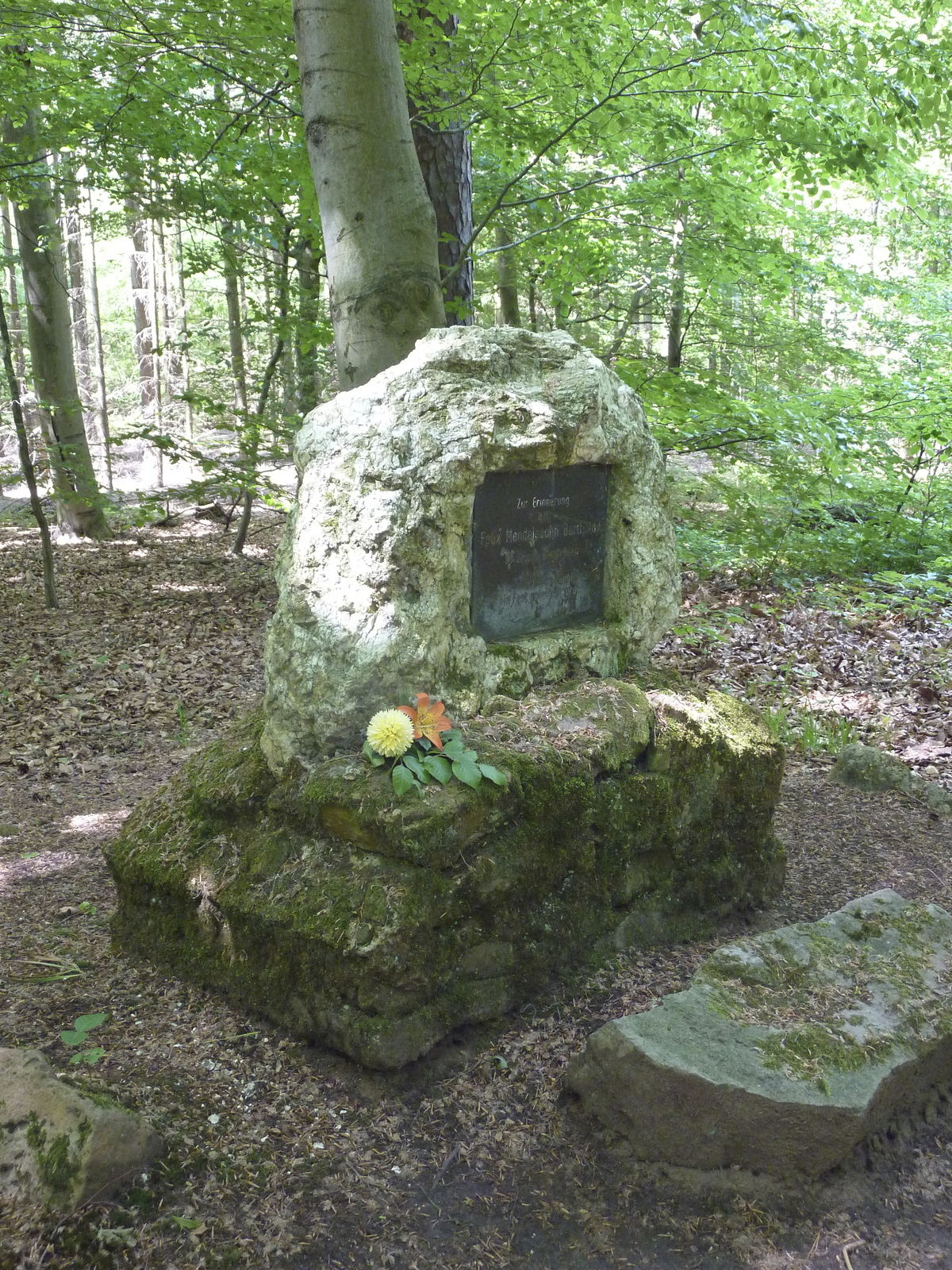
Mendelssohnruhe
Overview
Mendelssohnruhe is a memorial dedicated to the esteemed composer Felix Mendelssohn Bartholdy, located in the vibrant city of Frankfurt am Main, Germany. This site serves not only as a tribute to one of the most significant composers of the Romantic era but also as a cultural landmark that connects visitors to the rich musical heritage of the region. The memorial stands as a poignant reminder of Mendelssohn’s contributions to music and his enduring legacy in the world of classical composition.
Frankfurt, known for its blend of modernity and history, provides an ideal backdrop for Mendelssohnruhe. The city is not only a hub for finance and commerce but also a cultural center with numerous museums, galleries, and historic sites. The memorial invites visitors to reflect on the life of Mendelssohn and experience the deep-rooted passion for music that characterizes this remarkable city. A visit here promises not only an appreciation of Mendelssohn’s work but also a glimpse into the cultural landscape that shaped his life and artistry.
History and Significance
Felix Mendelssohn Bartholdy, born in 1809, was a German composer, pianist, and conductor, who played a crucial role in the revival of interest in Johann Sebastian Bach’s music. Throughout his career, Mendelssohn demonstrated a unique ability to blend classical forms with romantic expressiveness, establishing himself as a pivotal figure in the transition from Classical to Romantic music. His most famous works include the “Overture to A Midsummer Night’s Dream,” the “Violin Concerto in E minor,” and the “Hebrides Overture,” showcasing his innovative spirit and profound emotional depth.
Mendelssohn’s influence extended beyond composition; he was instrumental in the founding of the Leipzig Conservatory and the Gewandhaus Orchestra, institutions that would shape the future of music education and performance in Germany. His efforts to promote the works of earlier composers, particularly Bach, were crucial in re-establishing their significance in the canon of Western classical music.
The memorial in Frankfurt serves as an important cultural site, highlighting Mendelssohn’s connections to the city and his impact on its musical landscape. It commemorates not only the composer’s achievements but also the broader cultural movements of his time, emphasizing the importance of music as a reflection of societal values and artistic expression. Visitors to the memorial can engage with Mendelssohn’s legacy and consider the ways in which his work continues to resonate in contemporary music.
Architecture and Features
Mendelssohnruhe is characterized by its thoughtful design and serene environment, providing a fitting tribute to the composer it honors. The memorial typically features a combination of landscaping and architectural elements that create a tranquil space for reflection. While specific architectural details are not available, memorials of this nature often include inscriptions, sculptures, or plaques that celebrate the life and work of the individual being commemorated.
The layout of the memorial likely encourages visitors to take a moment to pause and reflect on Mendelssohn’s contributions to music. The surrounding environment may include greenery and pathways that enhance the contemplative experience. Such features are essential in memorials, allowing visitors to connect emotionally with the significance of the site and the legacy it represents.
Visiting Information
Reaching Mendelssohnruhe is relatively straightforward, given Frankfurt’s efficient public transportation system. Visitors can utilize local trains and buses to access the memorial and enjoy a scenic journey through the city. For those who prefer to walk, the memorial’s location in Frankfurt makes it accessible from various neighborhoods, allowing visitors to explore the city on foot.
To ensure a fulfilling visit, it is advisable to check the official website for current information on hours of operation and any potential admission fees. While the memorial itself may not require a lengthy visit, allocating time for reflection and exploration of the surrounding area can enhance the overall experience. A visit of approximately one to two hours is recommended, allowing ample time to appreciate the memorial and its significance.
The best times to visit Mendelssohnruhe are during the spring and fall months when the weather is mild, and the surrounding landscape is vibrant with seasonal changes. However, this memorial can be visited year-round, providing an opportunity for cultural engagement regardless of the season.
Nearby Attractions
Frankfurt Opera: Known for its impressive performances and architectural beauty, the opera house is a cultural landmark that reflects the city’s artistic heritage.
Städel Museum: This renowned art museum houses an extensive collection of European masterpieces, providing a deeper understanding of the artistic movements that shaped the region.
Palmengarten: A beautiful botanical garden, perfect for a leisurely stroll amidst diverse plant species, offering a serene contrast to the urban environment.
Römer: The historic town hall of Frankfurt, known for its picturesque façade and significance in German history, is a must-visit for those interested in the city’s past.
Goethe House: The birthplace of the famous poet and playwright Johann Wolfgang von Goethe, this site offers insights into the life of one of Germany’s most celebrated literary figures.
Insider Tips
To capture the essence of Mendelssohnruhe, consider visiting early in the morning or later in the afternoon when the light is softer, creating ideal conditions for photography. The memorial, set against the backdrop of Frankfurt, can provide captivating imagery, especially during these golden hours.
To avoid crowds, aim for weekdays rather than weekends, as this can enhance your experience of tranquility at the memorial. Engaging with the site in a quieter setting allows for deeper reflection and appreciation of Mendelssohn’s legacy.
Practical Information
When visiting Mendelssohnruhe, consider bringing a camera to document your experience and capture the serene beauty of the memorial. Comfortable walking shoes are advisable, as you may wish to stroll through the surrounding area to fully appreciate the cultural landscape.
Seasonal considerations are important when planning your visit. In summer, be prepared for warmer temperatures, while winter visits may require appropriate clothing for colder weather. Regardless of the season, an umbrella or light jacket may be useful to prepare for unexpected changes in weather.
Frequently Asked Questions
How long should I spend visiting?
A visit to Mendelssohnruhe typically takes about one to two hours, allowing time for reflection and exploration of the surrounding area.
Is photography allowed?
Yes, photography is generally allowed at the memorial, providing an opportunity to capture the site’s beauty and significance.
Are there guided tours?
Currently, there are no specific guided tours available for Mendelssohnruhe. Visitors can explore the memorial at their own pace.
What’s the best time to visit?
The best times to visit are during the spring and fall, when the weather is pleasant and the environment is vibrant.
Is it wheelchair accessible?
Accessibility information is not specified; check the official website for details on wheelchair access and facilities.
Can I buy tickets online?
Admission details for Mendelssohnruhe are not specified; it is recommended to check the official website for information on any potential fees or ticketing options.
Are there restrooms and cafes?
Information regarding restrooms and nearby cafes is not available; it is advisable to plan accordingly before your visit.
What should I wear?
Comfortable clothing and shoes are recommended, particularly if you plan to explore the area around the memorial. Seasonal attire based on weather conditions is also advisable.
More in Hesse

Abri IX
📍 Hesse, Germany
Abri IX is an archaeological site located in Gleichen, Germany, that captures the essence of human history through its fascinating remnants. This site …

Ackerbürgermuseum Haus Leck
📍 Hesse, Germany
Ackerbürgermuseum Haus Leck is a culturally significant museum located in Germany’s Grebenstein region, dedicated to preserving and showcasing the …

Actien-Brauerei Homburg v. d. Höhe
📍 Hesse, Germany
Actien-Brauerei Homburg v. d. Höhe is a significant historical brewery located in Bad Homburg vor der Höhe, Germany. This former brewery is a …

Active Museum Spiegelgasse
📍 Hesse, Germany
Active Museum Spiegelgasse is a vital institution dedicated to preserving and exploring the German-Jewish history of Wiesbaden, Germany. Located in …

Adornodenkmal
📍 Hesse, Germany
Adornodenkmal, a prominent monument located in Frankfurt am Main, Germany, serves as a significant cultural landmark that encapsulates the spirit of …
Affentor
📍 Hesse, Germany
Affentor, the southernmost of the medieval city gates of Frankfurt am Main, serves as a historical marker of the city’s rich past and architectural …
More Memorials

2 Straßenbau- Gedenksteine
📍 Schleswig-Holstein, Germany
In the picturesque region of Bösdorf, Germany, two memorial stones commemorate a pivotal moment in the history of infrastructure development. Known as …

Albrecht-Dürer-Denkmal
📍 Bavaria, Germany
In the heart of Nuremberg, Germany, the Albrecht-Dürer-Denkmal stands as a tribute to one of the most influential figures in Northern Renaissance art. …

Alexiuskreuz
📍 Lower Saxony, Germany
A visit to Alexiuskreuz in Mägdesprung, Harzgerode, invites exploration of a poignant memorial that honors significant historical events and figures. …

Alsdorfer Bergmannskreuz
📍 North Rhine-Westphalia, Germany
The Alsdorfer Bergmannskreuz memorial, located in Simmerath, Germany, serves as a poignant reminder of the region’s mining heritage and the cultural …
Alte Pathologie Wehnen
📍 Lower Saxony, Germany
In the tranquil landscape of Bad Zwischenahn, Germany, the Alte Pathologie Wehnen serves as a solemn memorial dedicated to the victims of the Nazi …

Arbeitserziehungslager Nordmark
📍 Schleswig-Holstein, Germany
Arbeitserziehungslager Nordmark, located on the outskirts of Kiel, Germany, serves as a solemn memorial to the atrocities committed during the Nazi …