Overview
The Memorial for the Victims of National Socialist Euthanasia Killings stands as a solemn reminder of one of the darkest chapters in human history. Located in the heart of Berlin, Germany, this memorial commemorates the individuals who were victims of the Nazi regime’s euthanasia program, a systematic effort to eliminate those deemed “unfit” by the state. This site serves not only as a memorial to the victims but also as a powerful statement against the ideologies that led to such atrocities.
In a city rich with a tumultuous history, the memorial is significant in its call for remembrance and reflection. The site invites visitors to engage with the history of the euthanasia killings—a chilling reminder of the consequences of dehumanization and discrimination. As you approach the memorial, you are met with an atmosphere of reverence, encouraging deep contemplation about the past and its implications for the present and future.
History and Significance
The Nazi regime’s euthanasia program, operational from 1939 to 1945, aimed to eliminate individuals with disabilities, mental illnesses, and other conditions deemed undesirable. This dark initiative resulted in the deaths of thousands, often through forced sterilization, inhumane medical experiments, and outright murder. The Memorial for the Victims of National Socialist Euthanasia Killings was established not only to honor these victims but also to educate the public about the dangers of state-sponsored discrimination and the importance of protecting human rights for all.
The memorial’s creation serves as a cultural and historical imperative, reflecting Germany’s ongoing commitment to confronting its past. It plays a crucial role in the nation’s collective memory, fostering dialogue around the ethical implications of medical and state authority. The site emphasizes the need for vigilance in the face of ideologies that seek to marginalize any group of people, reminding visitors that the fight against discrimination is ongoing.
In the broader context of memorials dedicated to the Holocaust and other atrocities, this site is particularly poignant as it addresses the often-overlooked narrative of those who suffered under the euthanasia program. By acknowledging these victims, the memorial contributes to a more comprehensive understanding of the Nazi regime’s crimes and the importance of remembrance in preventing history from repeating itself.
Architecture and Features
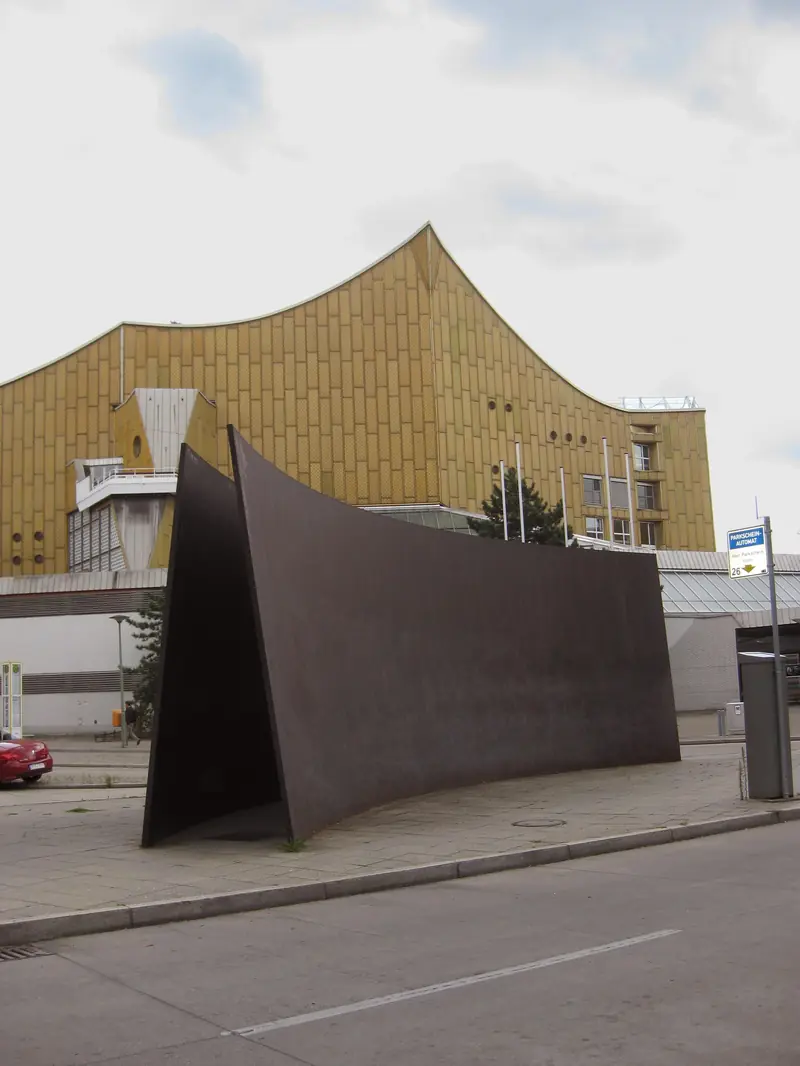
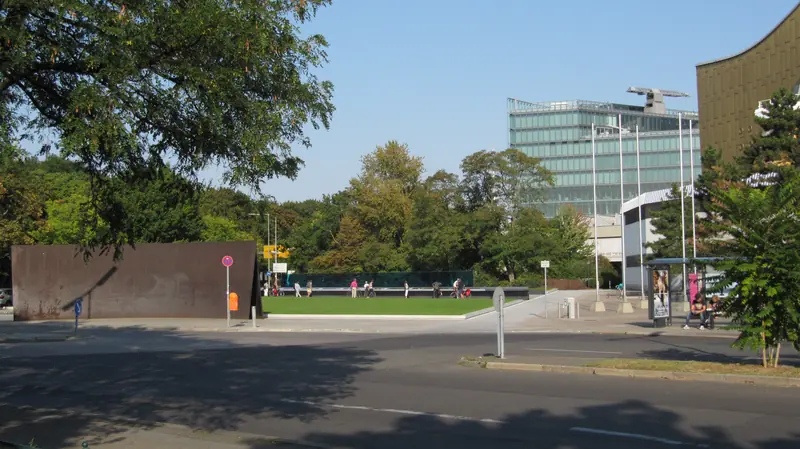
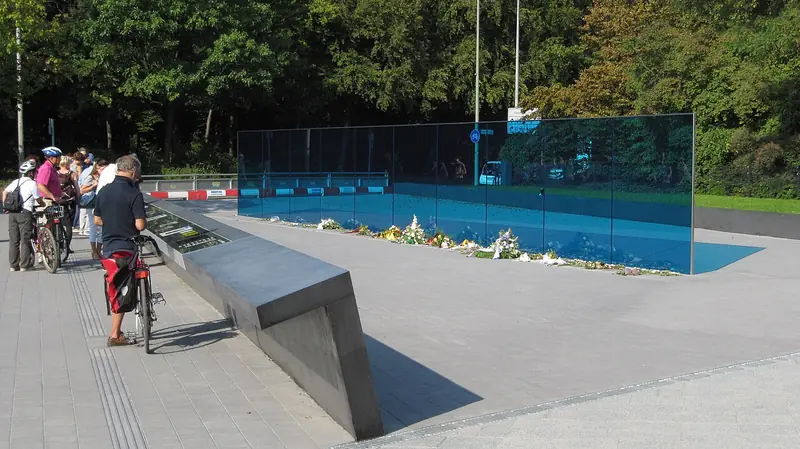
While specific architectural details may vary, the Memorial for the Victims of National Socialist Euthanasia Killings is designed to evoke a sense of solemnity and reflection. The memorial incorporates elements that facilitate introspection, inviting visitors to engage with the profound themes of loss, suffering, and remembrance.
The design typically features minimalist structures, which may include stones, plaques, or other materials that symbolize the lives lost and the silence that followed their deaths. These features are intended to foster an environment of contemplation, highlighting the stark reality of the events commemorated.
As visitors explore the memorial, they may encounter inscriptions or artistic elements that provide context and provoke thought about the moral implications of the euthanasia program. The overall atmosphere is one of quiet respect, encouraging visitors to reflect on the impact of the past and the responsibility of future generations.
Visiting Information
The Memorial for the Victims of National Socialist Euthanasia Killings is conveniently located in Berlin, making it accessible to both locals and tourists. To reach the memorial, visitors can utilize various modes of transportation, including public transit options such as buses and trains. The site is situated within a city that is well-connected, so navigation should be straightforward.
When planning a visit, it is advisable to check the official website for current information regarding opening hours and any possible admission fees. While the memorial is typically open to the public, it is essential to confirm the specifics, especially during holidays or special events.
Visitors should allocate a reasonable amount of time to engage with the memorial fully; a visit may take anywhere from 30 minutes to an hour, allowing for quiet reflection and exploration of the site. The best times to visit are during weekdays when crowds are generally smaller, providing a more intimate experience.
Nearby Attractions
While visiting the Memorial for the Victims of National Socialist Euthanasia Killings, there are several nearby attractions that may enhance your understanding of Berlin’s complex history. Consider exploring:
Topography of Terror: This documentation center offers insights into the Nazi regime’s institutions and policies, situated on the former site of the Gestapo and SS headquarters.
Holocaust Memorial: Officially known as the Memorial to the Murdered Jews of Europe, this site features a vast field of concrete slabs, creating a powerful space for reflection on the Holocaust.
Berlin Wall Memorial: This area provides historical context about the division of Berlin during the Cold War, showcasing the impact of political ideologies on human lives.
Sachsenhausen Concentration Camp Memorial: Located just outside Berlin, this site serves as a stark reminder of the atrocities committed during the Nazi regime.
Potsdamer Platz: This vibrant area offers a contrast to the solemnity of the memorial, with modern architecture, shopping, and entertainment options.
Insider Tips
For visitors looking to capture the essence of the memorial through photography, early mornings or late afternoons are ideal. The softer light during these times enhances the memorial’s atmosphere and allows for poignant images without the distraction of crowds.
To avoid larger groups, consider visiting on weekdays or during off-peak seasons. This will enable a more personal experience and provide ample opportunity for reflection.
Practical Information
When planning your visit, it is advisable to bring a few essentials. Comfortable walking shoes are recommended, as you may want to explore the surrounding areas. Given the memorial’s reflective nature, visitors may also wish to carry a notebook or journal to jot down thoughts and reflections during their visit.
Seasonal considerations are important; Berlin experiences a range of weather conditions throughout the year. If visiting in winter, be prepared for cold temperatures, while summer offers longer days but can attract larger crowds. Regardless of the season, dressing in layers is wise, as temperatures can fluctuate throughout the day.
Frequently Asked Questions
How long should I spend visiting?
A visit to the memorial can typically take 30 minutes to an hour, depending on your interest in reflection and exploration.
Is photography allowed?
Yes, photography is generally permitted, but visitors are encouraged to be respectful of the solemn atmosphere.
Are there guided tours?
Check the official website for information on guided tours, as availability may vary.
What’s the best time to visit?
Weekdays are usually less crowded, providing a more intimate experience. Early mornings or late afternoons offer optimal lighting for photography.
Is it wheelchair accessible?
The memorial is designed to be accessible; however, it is best to confirm specific accessibility features on the official website.
Can I buy tickets online?
Admission to the memorial is typically free, but check the official website for any updates regarding special events or exhibitions that may require tickets.
Are there restrooms and cafes?
Facilities may not be available on-site. Visitors should plan to use nearby public restrooms and cafes.
What should I wear?
Comfortable clothing and shoes are recommended, along with layers for changing weather conditions.
The Memorial for the Victims of National Socialist Euthanasia Killings offers a space for reflection and a poignant reminder of the importance of remembering the past. Engaging with this site can enhance your understanding of history and the necessity of vigilance against discrimination in all its forms.
Photo Gallery