
Memorial for Heinrich von Kleist
Overview
The Memorial for Heinrich von Kleist in Frankfurt (Oder) stands as a significant monument honoring one of Germany’s most influential playwrights and poets. Located in the city where Kleist spent his formative years, this memorial not only celebrates his literary achievements but also reflects the cultural milieu of early 19th-century Germany. As you approach the memorial, you are invited to contemplate the profound impact of Kleist’s works on German literature and the themes of existentialism and human struggle that permeate his writings.
Frankfurt (Oder), situated near the Polish border, provides a unique backdrop for this monument, linking the artist’s legacy to both German and broader European literary traditions. As visitors engage with the memorial, they can gain insights into Kleist’s life, the challenges he faced, and the enduring relevance of his work. The monument, sculpted by Gottlieb Elster, serves as a focal point for those interested in literary history and cultural heritage.
History and Significance
Heinrich von Kleist was born in 1777 and became a prominent figure in German literature, renowned for his plays, essays, and short stories. His works often explore complex themes such as conflict, madness, and the fragility of human existence. Despite facing criticism during his lifetime, Kleist’s writings have gained immense respect and admiration, influencing countless writers and thinkers throughout the years.
The memorial dedicated to Kleist was created by sculptor Gottlieb Elster, who sought to encapsulate the essence of the writer’s turbulent life and profound intellect. While specific dates surrounding the establishment of the memorial are not detailed, its presence in Frankfurt (Oder) is pivotal. This city is not only where Kleist spent his childhood but also where he found inspiration for many of his literary endeavors. The memorial serves as a reminder of the cultural significance of his work and its resonance in contemporary discussions about art, identity, and the human condition.
Visitors to the memorial can reflect on Kleist’s struggles with mental health, his tumultuous relationships, and his ultimate fate, which adds layers of meaning to the experience. The monument stands as a cultural landmark, fostering a deeper appreciation for the complexities of creativity and the artist’s life. In this way, it serves a dual purpose: a tribute to Kleist’s literary contributions and a space for contemplation on the nature of artistic expression.
Architecture and Features
The Memorial for Heinrich von Kleist is a notable piece of art in its own right, carefully crafted by the sculptor Gottlieb Elster. While specific architectural details are not provided, the monument reflects a thoughtful design intended to honor its subject. The sculpture likely incorporates elements that evoke the emotional and intellectual depth characteristic of Kleist’s writing, inviting viewers to engage with the piece on a personal level.
The design may include symbolic representations or motifs that reflect themes from Kleist’s work, such as conflict or the search for meaning. Such features often encourage visitors to pause and reflect on the complexities of the human experience, mirroring the themes prevalent in Kleist’s literature.
As a monument, it serves not only as a tribute but also as an artistic expression that contributes to the landscape of Frankfurt (Oder). This connection between the monument and the city enhances its significance, making it a vital part of the cultural heritage of the region.
Visiting Information
Visiting the Memorial for Heinrich von Kleist offers a unique opportunity to explore both the monument itself and the surrounding area rich in literary history. To reach the memorial, visitors can take advantage of public transport options available in Frankfurt (Oder). The city is accessible via train and bus services, making it convenient for travelers coming from other regions of Germany or nearby Poland.
Check the official website for hours and ticket prices to ensure a smooth visit. While specific details aren’t provided, it is advisable to allocate time to fully appreciate the monument and reflect on its significance. A visit typically takes about an hour, allowing enough time to explore the surroundings and engage with the monument.
The best times to visit are during the spring and early autumn when the weather is pleasant, and outdoor exploration is enjoyable. Visiting during weekdays may also help avoid larger crowds, providing a more intimate experience of the memorial.
Nearby Attractions
While the Memorial for Heinrich von Kleist is a focal point for literary enthusiasts, there are several nearby attractions that complement a visit to the monument:
Kleist Museum: This museum is dedicated to the life and works of Heinrich von Kleist, offering a more in-depth exploration of his literary contributions and personal history.
Frankfurt (Oder) Cathedral: A historical landmark, this cathedral provides insight into the architectural history of the region and the religious context during Kleist’s time.
Oder River Promenade: A scenic spot for leisurely walks, the promenade along the Oder River offers beautiful views and a chance to enjoy the natural surroundings.
Brandenburg State Theater: Known for its cultural events and performances, this theater reflects the artistic vibrancy of the area and often features works that resonate with themes explored by Kleist.
Historic Market Square: This area is rich with architectural beauty and offers a glimpse into the city’s past, making it a pleasant area for exploration and relaxation.
Insider Tips
For those looking to capture the essence of the Memorial for Heinrich von Kleist, consider visiting during the early morning or late afternoon when the lighting is softer, enhancing the monument’s features. This timing can also help you avoid larger groups of visitors.
Taking time to walk around the memorial can yield different perspectives, allowing for a more comprehensive photographic experience. Additionally, engaging with the local flora and the surrounding environment can enrich your visit, providing a deeper connection to the site.
Practical Information
When planning your visit to the Memorial for Heinrich von Kleist, it is advisable to bring essentials such as water and comfortable walking shoes, as you may wish to explore the nearby attractions. Seasonal considerations are also important; during colder months, be sure to dress warmly, as outdoor exploration can be chilly.
If visiting in the warmer months, consider sun protection, such as hats or sunscreen. Engaging with the local environment is an essential part of the experience, so be prepared for varying weather conditions.
Frequently Asked Questions
How long should I spend visiting?
A visit typically takes about an hour, allowing time for contemplation and exploration of the surrounding area.
Is photography allowed?
Yes, photography is generally permitted at the memorial, but be respectful of other visitors.
Are there guided tours?
Check the official website for information regarding guided tours and any special events that may be available.
What’s the best time to visit?
The best times to visit are during the spring and early autumn, when the weather is pleasant.
Is it wheelchair accessible?
Information on accessibility can be confirmed on the official website. It is advisable to check for any specific accommodations.
Can I buy tickets online?
Check the official website for ticket purchasing options and any relevant details.
Are there restrooms and cafes?
While specific information isn’t available, check the nearby facilities for amenities like restrooms and cafes.
What should I wear?
Dress comfortably, and consider the weather conditions, especially if you plan to explore the area around the memorial.
The Memorial for Heinrich von Kleist serves as a powerful reminder of the literary legacy left by this remarkable figure, inviting visitors to explore the depths of creativity and the human experience.
More in Brandenburg
Agnetenkloster
📍 Brandenburg, Germany
Agnetenkloster, a former monastery located in the heart of Magdeburg, Germany, invites visitors to explore its serene ambiance and historical …

Agroneum
📍 Brandenburg, Germany
Agroneum is a museum located in the serene landscape of Alt Schwerin, Germany. This establishment serves as a vibrant hub for those interested in the …

Alexander Nevsky Memorial Church
📍 Brandenburg, Germany
The Alexander Nevsky Memorial Church in Potsdam, Germany, offers visitors a unique glimpse into the city’s cultural and religious heritage. This …
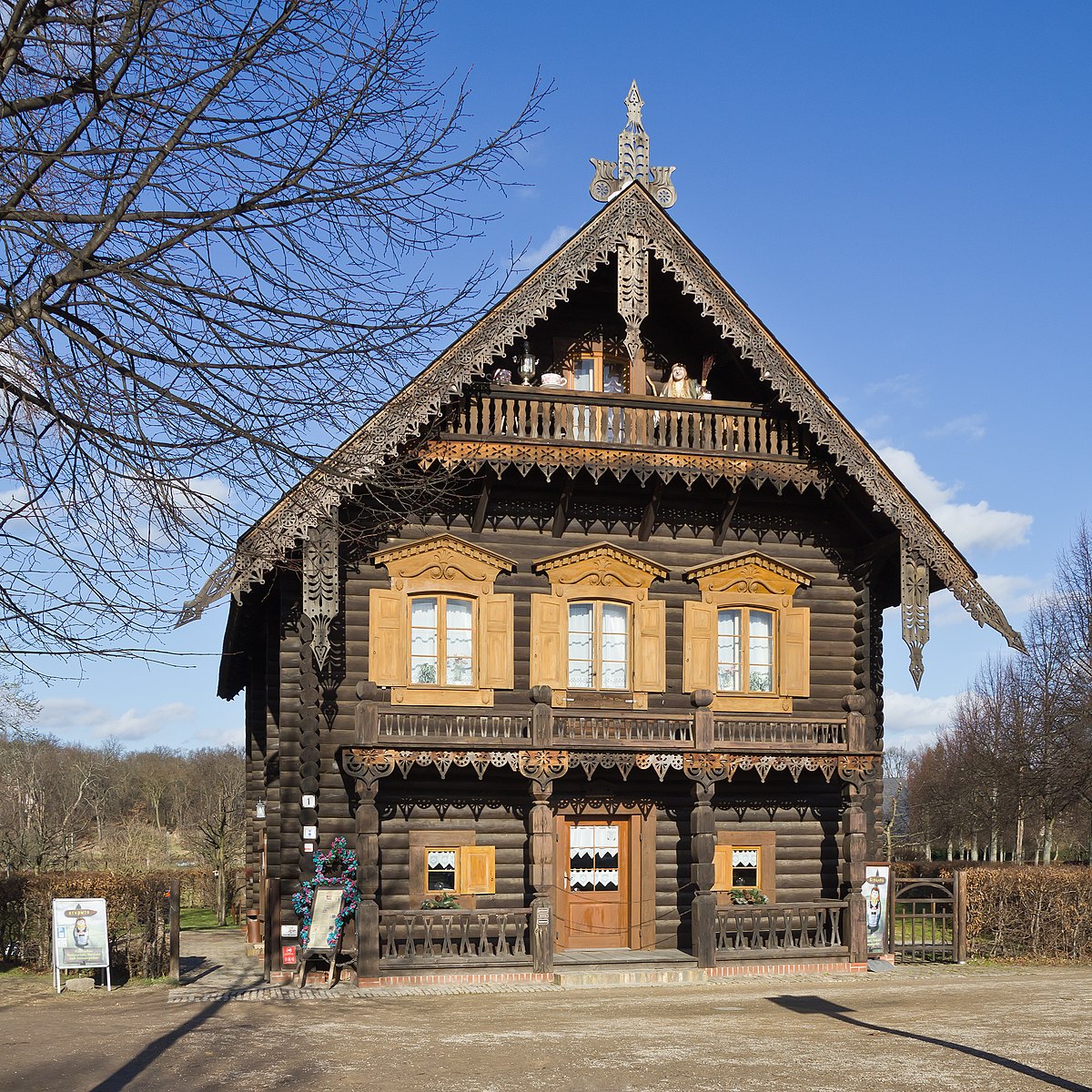
Alexandrowka
📍 Brandenburg, Germany
Located in the picturesque city of Potsdam, Germany, Alexandrowka is an intriguing architectural ensemble that reflects a unique blend of Russian and …

Alte Burg Penzlin
📍 Brandenburg, Germany
Alte Burg Penzlin, a captivating castle located in the quaint town of Penzlin, Germany, serves as a remarkable example of medieval architecture and …

Alte Dorfkirche Röxe
📍 Brandenburg, Germany
The Alte Dorfkirche Röxe stands as a poignant symbol of architectural and cultural history in the Stendal region of Germany. This church building, …
More Monuments

8. November 1939 (Denkmal)
📍 Bavaria, Germany
The 8. November 1939 (Denkmal) stands as a poignant monument in Munich, Germany, marking a significant moment in the nation’s history. Dedicated to …

Abensbergerdenkmal
📍 Bavaria, Germany
The Abensbergerdenkmal, a notable monument located in Freising, Upper Bavaria, Germany, serves as an evocative reminder of the region’s historical and …

Adlerstein
📍 Baden-Württemberg, Germany
Adlerstein, a national heritage site located in Ernsbach-Erbuch, Germany, is a monument that speaks volumes about the region’s cultural and historical …

Adornodenkmal
📍 Hesse, Germany
Adornodenkmal, a prominent monument located in Frankfurt am Main, Germany, serves as a significant cultural landmark that encapsulates the spirit of …

Airlift Memorial
📍 Berlin, Germany
The Airlift Memorial, a striking series of monuments in Celle, Germany, stands as a poignant reminder of a significant chapter in post-war history. …

Alfred Krupp monument, Essen
📍 Lower Saxony, Germany
The Alfred Krupp monument in Essen, Germany, serves as a significant landmark that pays homage to one of the nation’s most influential industrialists. …