Overview
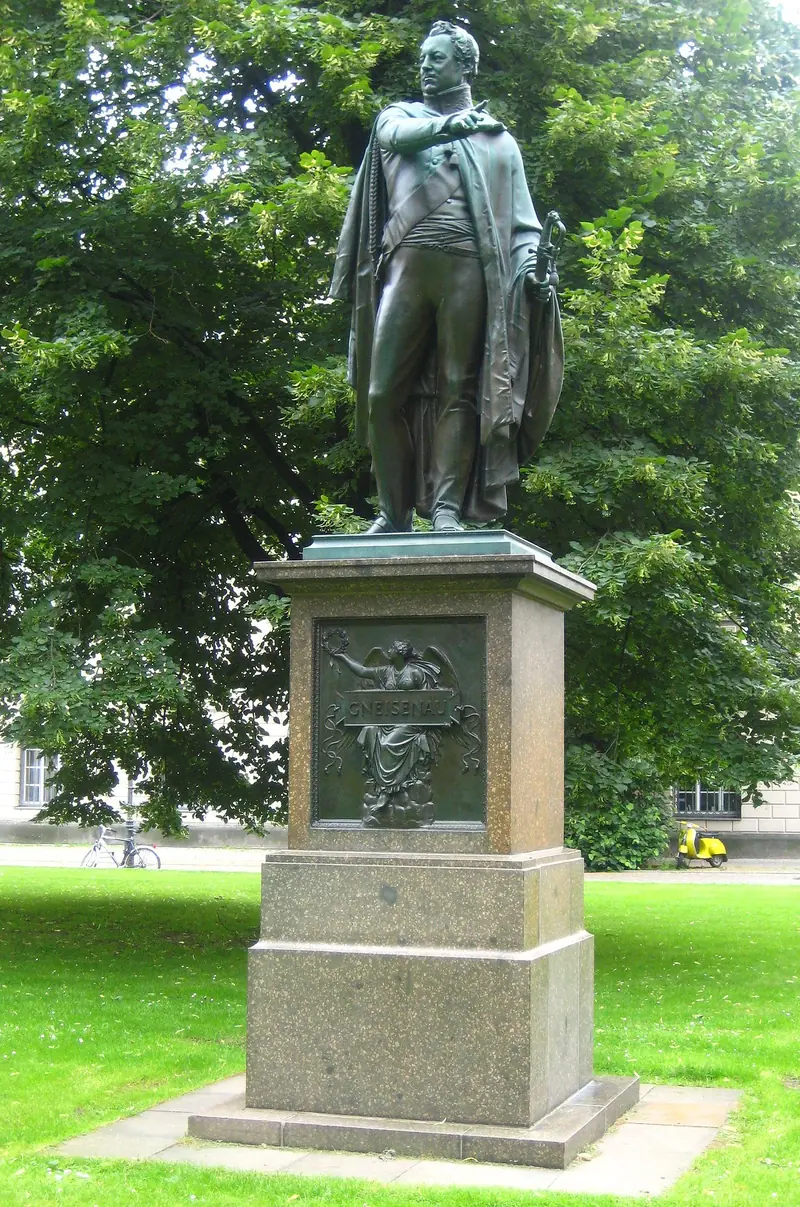
The Memorial August Neidhardt von Gneisenau stands as an architectural homage in the heart of Berlin-Mitte, a vibrant district where history, culture, and modernity converge. This monument honors the legacy of August Neidhardt von Gneisenau, a prominent Prussian general whose strategic prowess played a crucial role during the Napoleonic Wars. Situated in Germany’s capital, the memorial is a poignant reminder of the nation’s military heritage and the figures who shaped its history.
Berlin, a city characterized by its dynamic past, is known for its significant historical monuments and sites. The Memorial August Neidhardt von Gneisenau is not only a tribute to a notable military leader but also an integral part of the urban landscape that attracts history enthusiasts, architecture aficionados, and curious travelers alike. Visiting the memorial offers a unique opportunity to reflect on the complexities of German history while appreciating the artistry of its design.
As visitors approach the memorial, they can expect an experience that combines historical reflection with an exploration of Berlin’s architectural richness.
History and Significance
The Memorial August Neidhardt von Gneisenau serves to commemorate a key figure in Prussian military history. Gneisenau was instrumental in orchestrating victories against Napoleon’s forces, which ultimately contributed to the reshaping of Europe in the early 19th century. His strategies and leadership not only earned him significant military accolades but also cemented his place in the annals of German history.
The monument is particularly significant as it reflects the evolving narrative of national identity and memory within Germany. In the centuries following Gneisenau’s contributions, Germany underwent profound transformations, from the unification of the German Empire to the tumultuous events of the 20th century. Memorials like Gneisenau’s are vital for understanding how societies choose to remember their past, honoring figures who embody national ideals, bravery, and sacrifice.
While the memorial itself stands as a tribute to a military leader, it also invites discussions around the complexities of war, leadership, and the consequences of historical memory. This duality makes it an intriguing site for reflection and learning, appealing not just to those interested in military history, but also to anyone contemplating the broader implications of such legacies.
Architecture and Features
The Memorial August Neidhardt von Gneisenau is a distinguished architectural structure that captivates visitors with its design elements and thoughtful composition. The monument is characterized by its robust form, which reflects both strength and solemnity, echoing the military themes associated with its subject.
Visitors may observe various artistic features that enhance the memorial’s significance. The use of stone, for instance, conveys durability and permanence, while sculptural elements may depict symbols of valor and military achievement. Such design choices are intentional, reinforcing the narrative of Gneisenau’s contributions to Prussian military success.
The surrounding area likely complements the monument, providing a contemplative space for visitors to engage with the memorial’s historical narrative. The layout is designed to encourage reflection, allowing guests to ponder the implications of Gneisenau’s legacy amid the hustle and bustle of modern Berlin.
Visiting Information
Visiting the Memorial August Neidhardt von Gneisenau offers an enriching experience for those interested in history and architecture. The memorial is located in Berlin-Mitte, a central area accessible by various modes of public transportation, including buses and trains. Visitors can take advantage of the efficient public transport system that connects to multiple points of interest in the city.
When planning a visit, it’s important to check the official website for current information regarding hours of operation and any potential admission fees. Guests can expect to spend around an hour at the site, allowing ample time to appreciate the memorial and its surroundings.
The best times to visit are typically during weekdays when the site is less crowded, providing a more serene atmosphere for reflection. Early mornings or late afternoons may also offer a quieter experience, as well as favorable lighting for photography.
Nearby Attractions
While visiting the Memorial August Neidhardt von Gneisenau, consider exploring these nearby attractions that enrich the historical experience of Berlin:
- Berlin Cathedral - A stunning example of Baroque architecture, this cathedral offers insight into the religious and cultural history of Berlin.
- Museum Island - A UNESCO World Heritage site, this collection of museums showcases art and artifacts spanning several millennia.
- The Reichstag Building - The German parliament building, known for its stunning glass dome, provides a glimpse into the political history of Germany.
- Brandenburg Gate - An iconic symbol of Berlin, this historic monument marks the entrance to the city’s most famous boulevard.
- Tiergarten - A spacious urban park ideal for leisurely strolls, picnics, and enjoying the natural beauty amidst the cityscape.
Insider Tips
For an optimal visit to the Memorial August Neidhardt von Gneisenau, consider the following tips:
- Photography: The memorial is an excellent subject for photography, particularly during golden hour, when the light casts beautiful shadows. Be respectful of other visitors and the solemn nature of the site while capturing your memories.
- Crowd Avoidance: To enjoy a more peaceful experience, aim to visit during weekdays or early in the day. This allows for quieter moments for contemplation and reflection.
Practical Information
When planning your visit to the Memorial August Neidhardt von Gneisenau, keep the following practical considerations in mind:
- What to Bring: Comfortable walking shoes are recommended for exploring the surrounding area. A water bottle and a light snack can be helpful, especially if you plan to visit nearby attractions afterward.
- Seasonal Considerations: Depending on the season, weather can vary significantly. Be prepared for varying conditions, particularly if visiting during the winter months when temperatures can be quite low.
Frequently Asked Questions
How long should I spend visiting?
Visitors typically spend around an hour at the memorial, allowing enough time to explore and reflect.
Is photography allowed?
Yes, photography is allowed at the memorial, but it’s important to be respectful of the atmosphere and other visitors.
Are there guided tours?
Currently, there are no specific guided tours for the memorial. However, it can be explored independently or as part of a broader historical walking tour in the area.
What’s the best time to visit?
Weekdays, particularly early mornings or late afternoons, are the best times to avoid crowds.
Is it wheelchair accessible?
Check the official website for information regarding accessibility options.
Can I buy tickets online?
Check the official website for current information regarding admission fees and ticket purchasing options.
Are there restrooms and cafes?
Nearby amenities may be available, but it’s advisable to check the official website for specific details.
What should I wear?
Dress comfortably for walking, and consider the weather conditions, especially during colder months.



