Overview
The Memorial at the Frankfurt Grossmarkthalle serves as a poignant reminder of the Holocaust and its enduring impact on humanity. Situated in Frankfurt, Germany, this memorial occupies a significant historical site that was once a central hub for the city’s food distribution. In a city that is often busy and bustling, this solemn monument invites visitors to pause and reflect on the atrocities of the past. Its establishment not only honors the memory of the victims but also educates future generations about the consequences of intolerance and hatred. The memorial’s location at the Grossmarkthalle, a former market hall, further underscores the importance of remembering the past within a space once filled with life and commerce.
This site holds particular significance within the context of Germany’s efforts to confront its history. The memorial offers visitors a chance to engage with history in a meaningful way, deepening their understanding of the Holocaust and its ramifications. The Grossmarkthalle, now associated with remembrance rather than trade, represents a shift in how society views spaces that were once sites of suffering. By visiting this memorial, one not only pays respects to those who lost their lives but also partakes in a broader dialogue about humanity, resilience, and the importance of remembrance.
History and Significance
The Memorial at the Frankfurt Grossmarkthalle is situated at a site steeped in a complex history. The Grossmarkthalle itself, completed in the 1920s, was originally a vibrant marketplace where goods were traded and sold. However, during the Nazi regime, this location became a departure point for countless Jewish men, women, and children who were forcibly taken from their homes and transported to concentration camps. This transformation from a space of commerce to one associated with suffering highlights the stark realities of the Holocaust and serves as a backdrop for the memorial.
The memorial was created to honor the memory of those who were deported from Frankfurt, acknowledging the profound loss and trauma experienced by the Jewish community. The site is dedicated to educating visitors about the Holocaust, ensuring that the lessons learned from this dark chapter in history are not forgotten. By commemorating the victims, the memorial also emphasizes the importance of tolerance and the necessity of standing against anti-Semitism and discrimination in all forms.
The establishment of the memorial aligns with Germany’s ongoing efforts to come to terms with its past. It serves as a crucial reminder of the responsibilities that come with memory and the need to foster an inclusive society. As such, the Memorial at the Frankfurt Grossmarkthalle stands not only as a tribute to those who perished but also as a call to action for future generations. The site’s significance extends beyond local or national boundaries, engaging with universal themes of human rights and dignity.
Architecture and Features
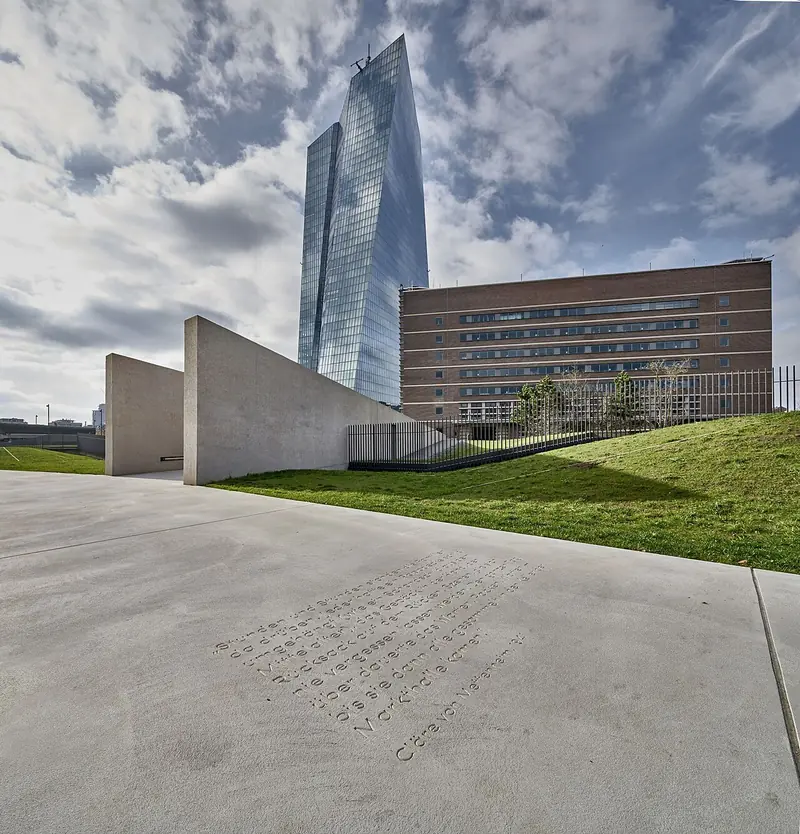
The Memorial at the Frankfurt Grossmarkthalle features a design that reflects its solemn purpose. While the specifics of its architecture may not be detailed, the essence of the memorial lies in its ability to evoke reflection and contemplation. The site is thoughtfully integrated into the historical context of the Grossmarkthalle, allowing visitors to grasp the gravity of its past.
Visitors will encounter various elements within the memorial, each contributing to the overall atmosphere of remembrance. The layout encourages quiet reflection, with spaces designed to foster personal contemplation and connection to the experiences of those commemorated. The choice of materials and design elements likely aims to create a respectful environment, one that honors the memories of the victims while also inviting dialogue about the lessons learned.
As visitors explore the memorial, they will find informative displays that provide context about the Holocaust and the specific events that transpired at the Grossmarkthalle. These features collectively work to enhance understanding and empathy, forging a deeper connection between the past and the present. While the architectural details may remain understated, the emotional weight of the memorial is palpable, urging visitors to acknowledge the significance of history and the importance of remembrance.
Visiting Information
Visiting the Memorial at the Frankfurt Grossmarkthalle offers an opportunity for reflection and learning. The site is accessible via various forms of transport, making it an easy addition to your itinerary when exploring Frankfurt. Travelers can reach the memorial using public transportation, including buses and trams, which connect to the broader city network.
To ensure an enriching experience, it is advisable to check the official website for current information regarding opening hours and any potential entry fees. This will help visitors plan their visit effectively and ensure they have ample time to engage with the memorial’s features.
When visiting, expect to spend at least an hour exploring the site. This duration allows for a meaningful experience, giving you the opportunity to absorb the memorial’s atmosphere and read the informative displays. The best times to visit are typically during weekdays when the site may be less crowded, providing a more contemplative environment.
The memorial is designed to be accessible to all visitors, including those with mobility challenges. However, it is always best to verify specific accessibility features through the official channels. By taking these considerations into account, visitors can ensure a respectful and impactful visit.
Nearby Attractions
While the Memorial at the Frankfurt Grossmarkthalle stands alone in its significance, there are several noteworthy attractions nearby that can enhance your visit to the area:
Frankfurt Old Town (Altstadt): Just a short distance away, the Old Town is home to beautifully restored historical buildings and charming streets that reflect Frankfurt’s past.
St. Bartholomew’s Cathedral (Dom St. Bartholomeus): This impressive Gothic cathedral is a must-visit for its stunning architecture and rich history.
Römer: The iconic city hall of Frankfurt, the Römer is a fascinating site that has served as the city’s administrative center for centuries.
Museum Embankment (Museumsufer): This area along the River Main features an array of museums, offering insights into art, history, and culture.
Palmengarten: For those seeking a natural retreat, this botanical garden provides a serene escape with a diverse range of plant species and beautiful landscapes.
Each of these attractions adds a layer of depth to your visit, allowing you to explore the various facets of Frankfurt’s rich cultural landscape.
Insider Tips
For visitors interested in photography, the Memorial at the Frankfurt Grossmarkthalle presents a unique opportunity to capture poignant moments of reflection. However, it is recommended to approach photography with sensitivity, respecting the solemnity of the site and the experiences it represents.
To avoid crowds and enhance your experience, consider visiting during weekdays, particularly in the early morning or late afternoon. This timing often provides a quieter atmosphere, allowing for a more personal connection with the memorial.
Practical Information
When visiting the Memorial at the Frankfurt Grossmarkthalle, it is advisable to bring a small notebook or journal for personal reflection, as well as a camera for respectful photography. Comfortable walking shoes are recommended, as you may want to explore the surrounding area after your visit.
Seasonal considerations are also important; spring and fall often offer pleasant weather for visiting outdoor sites in Frankfurt. However, be prepared for varying conditions and dress accordingly.
Frequently Asked Questions
How long should I spend visiting?
Visitors typically spend about an hour at the memorial, allowing for reflection and engagement with the displays.
Is photography allowed?
While photography is permitted, visitors should exercise sensitivity given the memorial’s purpose.
Are there guided tours?
Check the official website for information on guided tours that may enhance your understanding of the memorial.
What’s the best time to visit?
Weekdays, particularly in the early morning or late afternoon, tend to be less crowded.
Is it wheelchair accessible?
The memorial aims to be accessible to all visitors, but it’s best to confirm specific features through the official website.
Can I buy tickets online?
Check the official website for details on tickets and any potential entry fees.
Are there restrooms and cafes?
Facilities may be limited at the memorial itself, so it’s advisable to plan accordingly.
What should I wear?
Dress comfortably and respectfully, keeping in mind the solemn nature of the site.