
Melanchthonhaus
Overview
Melanchthonhaus, located in Lutherstadt Wittenberg, Germany, serves as a museum dedicated to the life and legacy of Philipp Melanchthon, a key figure in the Protestant Reformation. Situated at the coordinates 51.86472, 12.65083, this museum occupies a significant place in the historical narrative of Wittenberg, a city renowned for its critical role in the Reformation movement. The site invites visitors to explore the intellectual and cultural contributions of Melanchthon, who was not only a close collaborator of Martin Luther but also a pivotal reformer in his own right.
As you step into Melanchthonhaus, you embark on a journey through the life of a man whose educational and theological reforms helped shape modern Protestant thought. The museum allows visitors to delve into Melanchthon’s writings and his influence on education, theology, and society during a transformative period in European history. Whether you are a history enthusiast, a scholar of religious studies, or simply curious about the Reformation, Melanchthonhaus offers a unique perspective on the interplay of faith, learning, and social change.
History and Significance
Philipp Melanchthon was a German reformer who played a crucial role in the Protestant Reformation alongside Martin Luther. Born in 1497, Melanchthon was an accomplished scholar and theologian known for his contributions to education and theology. His work helped to establish the foundations of Protestant thought, particularly through the formulation of the Augsburg Confession in 1530, which articulated the beliefs of the Lutheran Church.
The significance of Melanchthonhaus lies not only in its association with Melanchthon but also in its broader cultural and educational impact. The museum serves as an important educational resource, reflecting Melanchthon’s commitment to learning and teaching. His emphasis on humanism and the importance of education influenced the development of schools and universities across Europe, leading to a lasting legacy that continues to shape educational practices today.
As a site of reformist thought, Melanchthonhaus stands within a larger framework of the Reformation, which sought to address issues of faith, governance, and personal piety. The museum provides insights into the theological debates of the time and the societal changes that resulted from the Reformation, making it an essential stop for those interested in understanding the complexities of this historical movement.
In addition to its historical and educational significance, Melanchthonhaus serves as a gathering place for scholars, students, and visitors, fostering dialogue around the themes of reform and education. This makes it not just a museum but a living space for ongoing discussion about the relevance of Melanchthon’s ideas in contemporary society.
Architecture and Features
Melanchthonhaus itself is a historical building that reflects the architectural style of the period. While detailed architectural features are not specified, the structure likely embodies elements typical of 16th-century German design, characterized by its timber framing and functional layout. Visitors are greeted by the warm atmosphere of a building that has stood the test of time, echoing the spirit of inquiry and reform that Melanchthon championed.
Inside, the museum is designed to facilitate exploration and learning. Exhibits highlight Melanchthon’s life, showcasing his manuscripts, letters, and significant theological works. The arrangement of artifacts and displays encourages visitors to engage with Melanchthon’s ideas and contributions to the Reformation.
Moreover, the museum may feature areas designated for educational programs, workshops, and lectures, reflecting Melanchthon’s enduring influence on education and scholarship. The thoughtful curation of exhibits and the inviting layout create a space conducive to reflection and discovery, making the museum a fitting tribute to one of the Reformation’s key figures.
Visiting Information
When planning your visit to Melanchthonhaus, it is essential to check the official website for current information regarding opening hours and admission prices, as these may vary. The museum welcomes visitors throughout the year, with specific events and exhibitions that may enhance your experience.
Getting to the museum is relatively straightforward, given Wittenberg’s accessibility. Whether traveling by car or utilizing public transportation, you should find convenient options to reach Melanchthonhaus. The museum is centrally located, making it easy to incorporate into a broader exploration of Lutherstadt Wittenberg.
A visit typically requires about one to two hours, allowing ample time to absorb the exhibits and reflect on the historical context. Early mornings or late afternoons may offer a quieter experience, making them ideal times to visit if you prefer a less crowded atmosphere.
While the museum caters to a wide range of interests, be prepared for an engaging experience that invites you to think critically about the Reformation’s impact and legacy.
Nearby Attractions
Lutherstadt Wittenberg is rich in heritage and offers several nearby attractions worth exploring:
Lutherhaus: This was Martin Luther’s residence and is now a museum dedicated to his life and work. It provides insights into the Reformation and Luther’s influence on theology and society.
St. Mary’s Church (Stadtkirche St. Marien): A significant site where Luther preached, this church features stunning architecture and historical artifacts related to the Reformation.
Castle Church (Schlosskirche): Renowned for the famous door where Luther posted his 95 Theses, this church is a must-visit for those exploring Reformation history.
Melanchthon’s School: This historical site highlights Melanchthon’s contributions to education and his role in establishing educational institutions in Wittenberg.
Wittenberg City Museum: Offering a broader perspective on the city’s history, this museum features exhibits that cover various aspects of Wittenberg’s past, including its role in the Reformation.
Insider Tips
To enhance your visit to Melanchthonhaus, consider the following tips:
Photography: Be sure to check the museum’s policy on photography, as some exhibits may have restrictions. Capturing the ambiance and any allowed artifacts can be a great way to remember your visit.
Crowd Avoidance: To sidestep larger crowds, plan your visit during weekdays or early in the day. This timing may offer a more intimate experience, allowing you to engage more deeply with the exhibits.
Practical Information
When visiting Melanchthonhaus, it’s a good idea to bring along a few essentials. Comfortable walking shoes are recommended, as you may wish to explore the surrounding area after your museum visit. Additionally, consider bringing a light jacket or sweater, as indoor temperatures can vary.
Seasonal considerations may also affect your visit; spring and early autumn often present mild weather, making it pleasant for exploring Wittenberg’s outdoor attractions. Always check the official website for any updates on seasonal events or special exhibitions that may be taking place during your visit.
Frequently Asked Questions
How long should I spend visiting?
A visit typically takes about one to two hours, depending on your level of interest.
Is photography allowed?
Photography policies may vary, so be sure to check with the museum upon arrival.
Are there guided tours?
Guided tours may be available; check the official website for details and scheduling.
What’s the best time to visit?
Weekdays or early mornings are generally less crowded, providing a more peaceful experience.
Is it wheelchair accessible?
For accessibility information, check the official website or contact the museum directly.
Can I buy tickets online?
Check the official website for information on ticket purchasing options.
Are there restrooms and cafes?
Facilities such as restrooms and cafes may be available; refer to the official website for specifics.
What should I wear?
Dress comfortably and consider layering, as indoor temperatures can vary.
More in Brandenburg
Agnetenkloster
📍 Brandenburg, Germany
Agnetenkloster, a former monastery located in the heart of Magdeburg, Germany, invites visitors to explore its serene ambiance and historical …

Agroneum
📍 Brandenburg, Germany
Agroneum is a museum located in the serene landscape of Alt Schwerin, Germany. This establishment serves as a vibrant hub for those interested in the …

Alexander Nevsky Memorial Church
📍 Brandenburg, Germany
The Alexander Nevsky Memorial Church in Potsdam, Germany, offers visitors a unique glimpse into the city’s cultural and religious heritage. This …
Alexandrowka
📍 Brandenburg, Germany
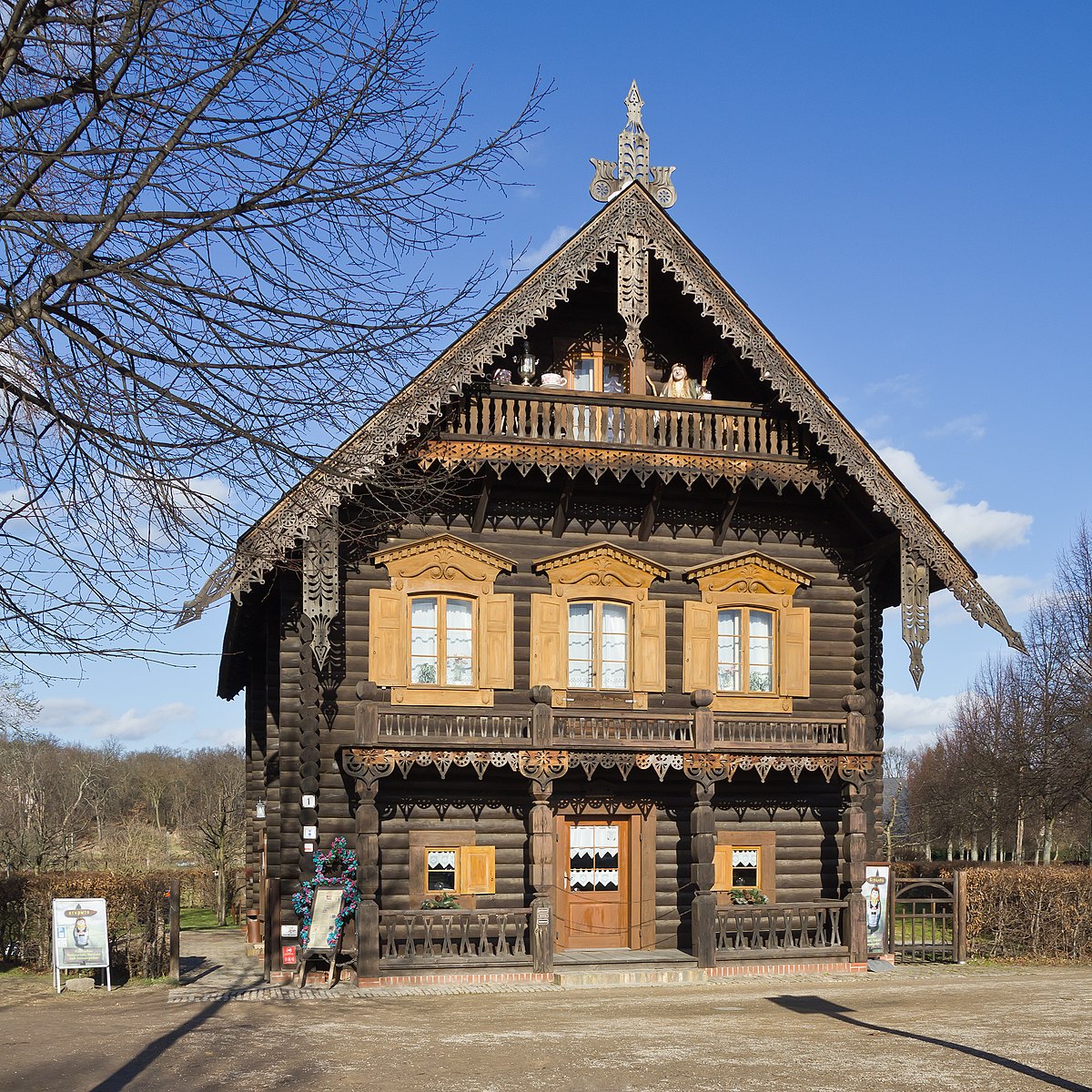
Located in the picturesque city of Potsdam, Germany, Alexandrowka is an intriguing architectural ensemble that reflects a unique blend of Russian and …

Alte Burg Penzlin
📍 Brandenburg, Germany
Alte Burg Penzlin, a captivating castle located in the quaint town of Penzlin, Germany, serves as a remarkable example of medieval architecture and …

Alte Dorfkirche Röxe
📍 Brandenburg, Germany
The Alte Dorfkirche Röxe stands as a poignant symbol of architectural and cultural history in the Stendal region of Germany. This church building, …
More Museums

Abbey and Altenmünster of Lorsch
📍 Baden-Württemberg, Germany
The Abbey and Altenmünster of Lorsch is a UNESCO World Heritage site located in the charming town of Lorsch, Germany. This significant cultural …
Abenteuermuseum
📍 Rhineland-Palatinate, Germany
The Abenteuermuseum, located in Germany, invites visitors to explore the wonders of adventure through its unique exhibits and engaging experiences. …

Abwasser- und Sielmuseum
📍 Hamburg, Germany
The Abwasser- und Sielmuseum, located in the heart of Hamburg-Mitte, offers a unique glimpse into the city’s historical infrastructure concerning …

Academy of Arts, Berlin
📍 Berlin, Germany
The Academy of Arts in Berlin is not just a museum; it is a prominent national institution dedicated to the advancement of the arts in Germany. …

Ackerbürgermuseum Haus Leck
📍 Hesse, Germany
Ackerbürgermuseum Haus Leck is a culturally significant museum located in Germany’s Grebenstein region, dedicated to preserving and showcasing the …

Active Museum Spiegelgasse
📍 Hesse, Germany
Active Museum Spiegelgasse is a vital institution dedicated to preserving and exploring the German-Jewish history of Wiesbaden, Germany. Located in …