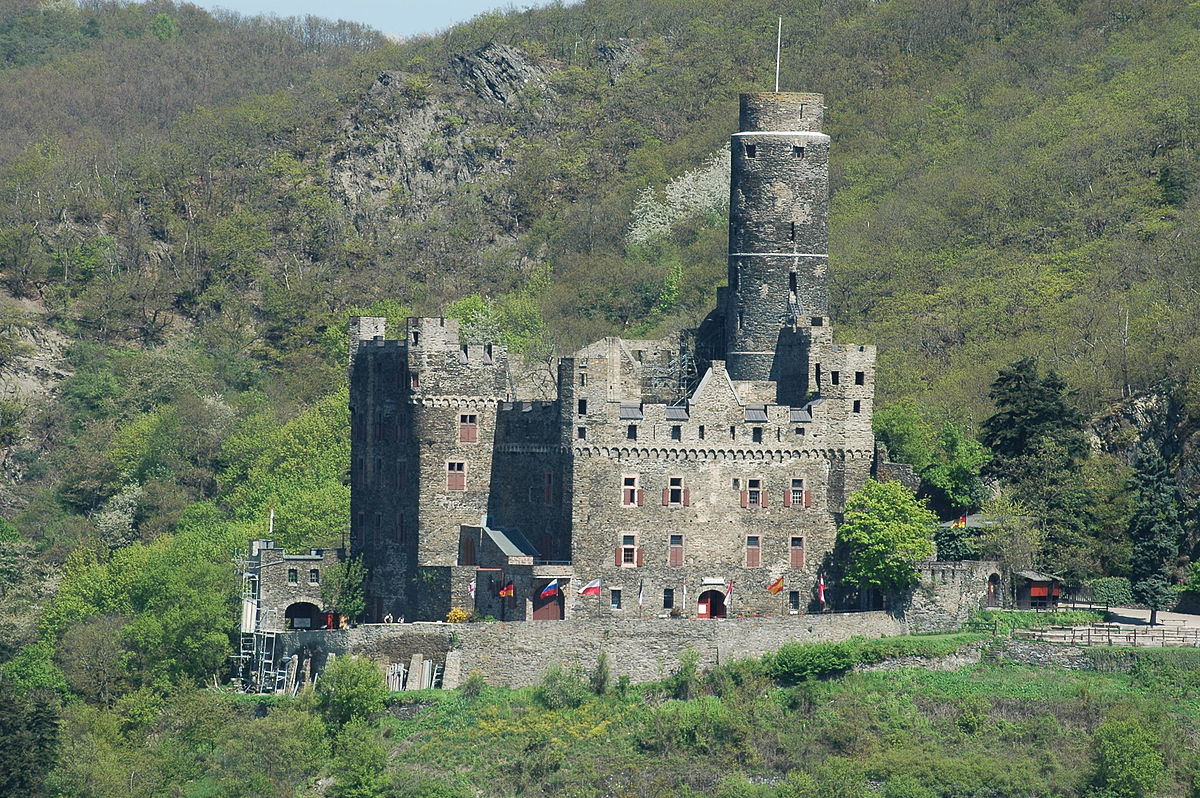
Maus Castle
Overview
Maus Castle, an imposing structure located in Sankt Goarshausen, Germany, captures the imagination of visitors with its storied past and architectural splendor. This castle, perched majestically on the banks of the Rhine River, is not only a significant historical site but also a vital part of the region’s cultural landscape. Known for its strategic position, Maus Castle served as a defensive stronghold during feudal times, providing a glimpse into medieval life and the turbulent history of the area.
The castle’s location along the Rhine is crucial, as it has long been a vital trade route in Europe. Today, it stands as a symbol of the rich heritage of the region, drawing visitors from around the world who seek to uncover its secrets. When exploring Maus Castle, one can expect to encounter a blend of captivating history and stunning architecture, making it an essential stop for anyone traveling through this picturesque part of Germany.
History and Significance
Maus Castle has played an integral role in the history of the Rhine Valley, acting as both a protective bastion and a symbol of power for the noble families that once inhabited it. While exact details of its construction and early history are not available, the castle is believed to have been built in the 13th century, during a time when the Rhine was a critical highway for commerce and trade. Its strategic location allowed it to oversee and control the river traffic, providing both security and revenue for its owners.
Throughout the centuries, the castle changed hands multiple times among various noble families, each of whom left their mark on the structure and its surroundings. The castle’s significance extends beyond its military functions; it is a representation of the feudal system that defined much of medieval Europe. The stories of its occupants reflect the power struggles and alliances that shaped the region.
In modern times, Maus Castle has become a symbol of cultural heritage, recognized for its role in the history of the Rhine and its contribution to the identity of Sankt Goarshausen. The castle is part of the larger UNESCO World Heritage Site designation that encompasses the Upper Middle Rhine Valley, underscoring its importance in the broader context of European history.
Architecture and Features
Maus Castle is characterized by its robust structure and distinct architectural features that reflect the medieval style prevalent during its construction. The castle’s design showcases a blend of functionality and aesthetics, typical of fortifications built to withstand sieges while also serving as a residence for the nobility.
The castle is notable for its towering walls, which are made from local stone, providing both durability and a connection to the surrounding landscape. The design incorporates several defensive elements, including battlements and arrow slits, which were essential for protection during conflicts. The central courtyard is a focal point of the castle, offering insight into the daily life of its inhabitants and the layout of the fortification.
Various rooms within the castle reveal aspects of medieval life, including living quarters, a chapel, and storage areas. Visitors can appreciate the craftsmanship of the period through the stone carvings and architectural details that adorn the castle’s facade. While some areas may not be accessible, those that are open to the public offer a compelling glimpse into the past and the lifestyle of the castle’s former residents.
Visiting Information
Reaching Maus Castle is relatively straightforward, with various transport options available for visitors. The castle is situated in Sankt Goarshausen, a charming town easily accessible by train or car. For those traveling by train, the nearest station is just a short distance away, allowing for a leisurely walk to the castle.
Before planning a visit, it is advisable to check the official website for current information regarding opening hours and ticket prices. The castle typically welcomes visitors throughout the year, although specific hours may vary by season. On average, visitors can expect to spend around 1-2 hours exploring the castle and its grounds, taking in the historical context and architectural details.
The best times to visit Maus Castle are during the spring and early autumn months when the weather is pleasant, and the surrounding landscape is vibrant with blooming flowers and lush greenery. These seasons also tend to attract fewer tourists, allowing for a more intimate experience.
Nearby Attractions
While Maus Castle itself is a highlight, the surrounding area offers several other attractions worth exploring:
- Rheinstein Castle: Located nearby, this castle offers stunning views of the Rhine and showcases a different aspect of medieval architecture.
- Sankt Goar: This charming town features traditional German architecture and is a great place to enjoy local cuisine and hospitality.
- Lorelei Rock: A famous natural landmark on the Rhine, known for its scenic beauty and legends associated with the siren.
- Bacharach: A picturesque town with well-preserved medieval buildings, providing a delightful experience for those interested in history and culture.
- Upper Middle Rhine Valley: A UNESCO World Heritage Site that encompasses numerous castles, vineyards, and scenic landscapes along the river.
Insider Tips
When visiting Maus Castle, consider bringing a camera to capture the stunning architecture and the surrounding landscape. Early mornings or late afternoons are often less crowded, providing a more peaceful atmosphere to explore the castle and take photographs.
Additionally, it may be beneficial to check for any special events or guided tours that could enhance your experience. Engaging with the guides can provide deeper insights into the history and significance of the castle.
Practical Information
Visitors to Maus Castle should come prepared for a variety of weather conditions, especially if planning to explore the outdoor areas. Comfortable walking shoes are recommended, as the castle grounds may require some walking on uneven surfaces.
As the castle is situated in a region known for its seasonal changes, it’s wise to check the weather forecast before your visit. Bringing a light jacket during cooler months or sunscreen during the summer can ensure a comfortable experience.
Frequently Asked Questions
How long should I spend visiting?
Most visitors typically spend about 1-2 hours exploring Maus Castle and its grounds.
Is photography allowed?
Yes, photography is generally permitted, so visitors can capture the beauty of the castle and its surroundings.
Are there guided tours?
Check the official website for information on guided tours and their availability during your visit.
What’s the best time to visit?
The best times to visit are during spring and early autumn when the weather is pleasant and crowds are typically smaller.
Is it wheelchair accessible?
Check the official website for specific accessibility options available at Maus Castle.
Can I buy tickets online?
For the latest information on ticket purchasing options, including online sales, please refer to the official website.
Are there restrooms and cafes?
Check the official website for details on visitor facilities such as restrooms and dining options.
What should I wear?
Comfortable clothing and shoes are recommended, especially if you plan to explore the castle grounds.
More in Rhineland-Palatinate
Abenteuermuseum
📍 Rhineland-Palatinate, Germany
The Abenteuermuseum, located in Germany, invites visitors to explore the wonders of adventure through its unique exhibits and engaging experiences. …
Abtei Wadgassen
📍 Rhineland-Palatinate, Germany
Abtei Wadgassen, a historical monastery located in Saarlouis, Germany, offers visitors a glimpse into the spiritual and architectural heritage of the …

Achteinhalb
📍 Rhineland-Palatinate, Germany
In the heart of Saarbrücken, Germany, Achteinhalb serves as a vibrant cultural hub for cinema enthusiasts. This movie theater not only showcases a …

Alexander Church
📍 Rhineland-Palatinate, Germany
Alexander Church, a notable church building located in Zweibrücken, Germany, offers a captivating glimpse into the region’s spiritual and …
Alt-Saarbrücken
📍 Rhineland-Palatinate, Germany
Alt-Saarbrücken, the old town of Saarbrücken, Germany, offers a glimpse into the historical fabric of the region. With its cobblestone streets and …

Altburg (Bundenbach)
📍 Rhineland-Palatinate, Germany
Altburg, situated in the picturesque region of Rhineland-Palatinate, Germany, is a fascinating castle that invites visitors to explore its storied …
More Castles
Abschnittsbefestigung Andechs
📍 Bavaria, Germany
The Abschnittsbefestigung Andechs, a striking castle located in the scenic region of Andechs, Germany, offers a fascinating glimpse into the …
Abschnittsbefestigung im Taitinger Holz
📍 Bavaria, Germany
The Abschnittsbefestigung im Taitinger Holz represents an intriguing chapter in Germany’s medieval architectural narrative. Located in Bavaria, this …
Abschnittsbefestigung in Burgholz (Türkenfeld)
📍 Bavaria, Germany
The Abschnittsbefestigung in Burgholz, located in the picturesque region of Türkenfeld, Germany, is a fascinating example of medieval military …

Abschnittsbefestigung Puch
📍 Bavaria, Germany
The Abschnittsbefestigung Puch is a remarkable castle located in the Fürstenfeldbruck region of Germany. This historical site offers visitors a …
Abschnittsbefestigung Rederzhausen
📍 Bavaria, Germany
Nestled in the heart of Bavaria, the Abschnittsbefestigung Rederzhausen is a remarkable representation of medieval military architecture. This castle, …

Abschnittsbefestigung Schorn
📍 Bavaria, Germany
The Abschnittsbefestigung Schorn is a striking castle located in Germany, offering visitors a glimpse into the architectural and cultural heritage of …