
Martin Luthers Sterbehaus
Overview
Martin Luthers Sterbehaus, located in the historic town of Eisleben, Germany, is a poignant museum dedicated to the life and legacy of Martin Luther, the influential figure behind the Protestant Reformation. This site holds significant value not only for its historical context but also for its profound impact on the course of Western Christianity. It was here, in this very house, that Luther spent his final days before passing away, marking a crucial chapter in religious history.
Eisleben, situated in the heart of Germany, is imbued with a rich cultural heritage, reflecting the tumultuous changes that swept through Europe in the 16th century. As you explore the museum, you will gain insight into Luther’s life, his thoughts, and the societal transformations that emerged from his teachings. The Sterbehaus serves as an essential point of reflection for anyone interested in the evolution of religious thought and the enduring legacy of one of history’s most pivotal figures.
Visitors to Martin Luthers Sterbehaus will find an engaging experience that combines education with a deep appreciation for the historical context of Luther’s life. The museum not only commemorates Luther’s contributions but also invites contemplation on the broader implications of his work, encouraging dialogue about faith, reform, and society.
History and Significance
Martin Luther, born in 1483, is best known for his role in initiating the Protestant Reformation. His actions challenged the practices of the Catholic Church, advocating for a return to scripture and faith as the means to salvation rather than the church’s intermediation. Luther’s 95 Theses, famously nailed to the church door in Wittenberg, sparked a movement that changed the religious landscape of Europe.
The house where Luther died, now Martin Luthers Sterbehaus, is not just a place of historical interest but a site of immense cultural significance. Luther passed away in 1546, and the house became a sanctuary for his followers and a pilgrimage site for those influenced by his teachings. The museum was established to preserve this important piece of history and to educate visitors about Luther’s thoughts and their implications for modern society.
The museum not only showcases Luther’s life but also reflects on the broader movements in Europe during the Reformation. The Sterbehaus serves as a reminder of the struggles for religious freedom and the impact of Luther’s ideologies on subsequent generations. It invites visitors to reflect on the ongoing relevance of Luther’s ideas in contemporary discussions about faith, governance, and individual rights.
Architecture and Features
Martin Luthers Sterbehaus is a classic example of a German residential structure from the 16th century. The architecture reflects the regional style of that era, characterized by its timber-framed design and functional layout. Visitors can admire the careful restoration efforts that have preserved the integrity of the building while allowing it to function as a museum.
Inside, the museum features a variety of exhibits that highlight different aspects of Luther’s life, including personal artifacts, manuscripts, and multimedia presentations that provide context to his teachings. Each room is thoughtfully arranged to guide visitors through Luther’s experiences, culminating in the bedroom where he spent his last moments. This intimate setting offers a profound connection to the historical figure, allowing visitors to contemplate the weight of his legacy.
Notable features of the museum include the preserved architecture that reflects the domestic life of the 16th century, as well as the informative displays that explore the significance of Luther’s work. The museum is designed to facilitate an understanding of the historical context in which Luther lived, making it an educational experience for all who visit.
Visiting Information
Reaching Martin Luthers Sterbehaus is relatively straightforward. Eisleben is accessible by train and road, with public transport options connecting it to major cities in Germany. Once in Eisleben, the museum is conveniently located within walking distance from the town center, making it easy for visitors to incorporate into their itinerary.
Before planning your visit, it is advisable to check the official website for current information regarding hours of operation and ticket prices. The museum typically welcomes visitors throughout the week, but hours may vary, especially during holidays or special events.
Most visitors find that spending approximately one to two hours at the museum allows for a thorough exploration of the exhibits and a reflective experience. While the museum can be enjoyed year-round, the best times to visit are typically during spring and early autumn when the weather is mild, and the crowds are manageable.
Upon arrival, guests can expect a warm welcome and knowledgeable staff ready to assist with any questions. The museum is designed to provide an enriching experience, with clear signage and informative displays that guide visitors through the history of Luther and his time.
Nearby Attractions
Eisleben is not only home to Martin Luthers Sterbehaus but also to several other significant sites that enhance the visitor experience. Here are a few nearby attractions:
Luther’s Birth House: Located just a short distance away, this museum is the birthplace of Martin Luther. It offers further insights into his early life and influences.
St. Andrew’s Church: This historic church is where Luther preached and is a key site in the Reformation narrative. Its architecture and stained glass windows are noteworthy.
The Luther Monument: Situated in the town square, this monument commemorates Luther’s impact and is a popular spot for photographs.
Eisleben Market Square: A vibrant area filled with shops and cafes, the market square is ideal for a leisurely stroll and offers a taste of local culture.
Cultural History Museum: This museum provides a broader perspective on the town’s history and significance beyond the Reformation, showcasing artifacts from various eras.
Insider Tips
To enhance your visit to Martin Luthers Sterbehaus, consider the following insider tips:
Photography: Be mindful of the museum’s photography policy. While some areas may allow photography, others may restrict it to preserve the integrity of the exhibits. Always check signage or inquire with staff.
Crowd Avoidance: To avoid larger crowds, consider visiting during weekdays or in the early morning hours. This will allow for a more intimate experience as you explore the exhibits.
Engage with Staff: The museum staff are knowledgeable and passionate about Luther’s life. Engaging with them can provide deeper insights and enrich your understanding of the exhibits.
Practical Information
When preparing for your visit to Martin Luthers Sterbehaus, here are some practical considerations:
What to Bring: Comfortable walking shoes are advisable, as exploring the museum and nearby attractions may involve some walking. A notebook or sketchpad can also be useful for those wanting to jot down thoughts or impressions.
Seasonal Considerations: Depending on the season, dress appropriately for the weather. Winters can be chilly in Germany, while summers may bring warm temperatures. Layered clothing is ideal for variable weather conditions.
Accessibility: The museum aims to be accessible to all visitors. If you have specific accessibility needs, it’s best to check in advance to ensure your visit is comfortable.
Frequently Asked Questions
How long should I spend visiting?
Most visitors find that one to two hours is sufficient to explore the exhibits and gain a thorough understanding of Luther’s life and legacy.
Is photography allowed?
Photography policies may vary by exhibit. It’s recommended to check for any signage indicating restrictions or to ask museum staff.
Are there guided tours?
Check the official website for information about guided tours, as they may enhance your understanding of the museum’s exhibits.
What’s the best time to visit?
Visiting during weekdays or in the early morning can help avoid crowds. Spring and early autumn offer pleasant weather, making them ideal times for exploration.
Is it wheelchair accessible?
The museum aims to accommodate all visitors. For specific accessibility questions, it’s advisable to contact the museum directly ahead of your visit.
Can I buy tickets online?
Check the official website for options regarding online ticket purchases and to confirm current pricing.
Are there restrooms and cafes?
Facilities are available within the museum, but it’s best to verify the current amenities on the official website.
What should I wear?
Dress comfortably and according to the season. Comfortable shoes are recommended for walking around the museum and nearby attractions.
More in Brandenburg
Agnetenkloster
📍 Brandenburg, Germany
Agnetenkloster, a former monastery located in the heart of Magdeburg, Germany, invites visitors to explore its serene ambiance and historical …

Agroneum
📍 Brandenburg, Germany
Agroneum is a museum located in the serene landscape of Alt Schwerin, Germany. This establishment serves as a vibrant hub for those interested in the …

Alexander Nevsky Memorial Church
📍 Brandenburg, Germany
The Alexander Nevsky Memorial Church in Potsdam, Germany, offers visitors a unique glimpse into the city’s cultural and religious heritage. This …
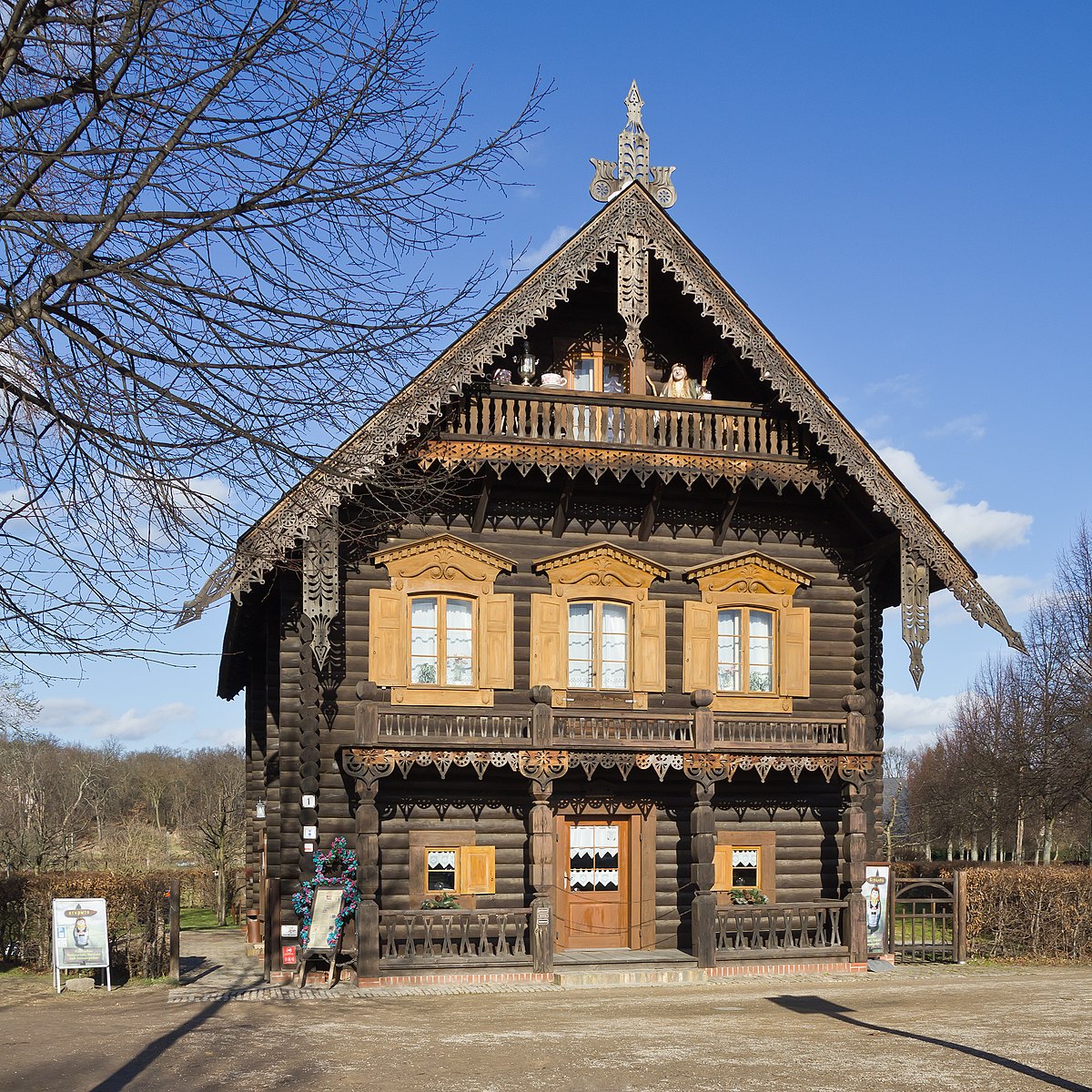
Alexandrowka
📍 Brandenburg, Germany
Located in the picturesque city of Potsdam, Germany, Alexandrowka is an intriguing architectural ensemble that reflects a unique blend of Russian and …

Alte Burg Penzlin
📍 Brandenburg, Germany
Alte Burg Penzlin, a captivating castle located in the quaint town of Penzlin, Germany, serves as a remarkable example of medieval architecture and …

Alte Dorfkirche Röxe
📍 Brandenburg, Germany
The Alte Dorfkirche Röxe stands as a poignant symbol of architectural and cultural history in the Stendal region of Germany. This church building, …
More Museums

Abbey and Altenmünster of Lorsch
📍 Baden-Württemberg, Germany
The Abbey and Altenmünster of Lorsch is a UNESCO World Heritage site located in the charming town of Lorsch, Germany. This significant cultural …
Abenteuermuseum
📍 Rhineland-Palatinate, Germany
The Abenteuermuseum, located in Germany, invites visitors to explore the wonders of adventure through its unique exhibits and engaging experiences. …

Abwasser- und Sielmuseum
📍 Hamburg, Germany
The Abwasser- und Sielmuseum, located in the heart of Hamburg-Mitte, offers a unique glimpse into the city’s historical infrastructure concerning …

Academy of Arts, Berlin
📍 Berlin, Germany
The Academy of Arts in Berlin is not just a museum; it is a prominent national institution dedicated to the advancement of the arts in Germany. …

Ackerbürgermuseum Haus Leck
📍 Hesse, Germany
Ackerbürgermuseum Haus Leck is a culturally significant museum located in Germany’s Grebenstein region, dedicated to preserving and showcasing the …

Active Museum Spiegelgasse
📍 Hesse, Germany
Active Museum Spiegelgasse is a vital institution dedicated to preserving and exploring the German-Jewish history of Wiesbaden, Germany. Located in …