
Martin Luther's Birth House
Overview
Martin Luther’s Birth House, located in the historic town of Eisleben, Germany, is an essential pilgrimage site for those interested in the life and legacy of the Reformation. This museum, situated at the coordinates 51.52694, 11.55007, not only marks the birthplace of Martin Luther, the seminal figure in Protestant Christianity, but also serves as a testament to the cultural and historical shifts that took place during the 16th century. Visitors to the museum will find a space that encapsulates the early life of Luther and his profound impact on religion and society. It invites exploration into a world where ideas of faith, governance, and individual rights began to evolve dramatically.
The significance of Martin Luther’s Birth House extends beyond its walls; it symbolizes the broader Reformation movement that transformed Europe. As a museum, it aims to educate and inspire visitors about Luther’s contributions and the historical context of his life. The experience promises to offer insight into a pivotal moment in history, making it a must-visit for anyone intrigued by the interplay of faith and culture.
History and Significance
Martin Luther was born in Eisleben in 1483, and his early life significantly shaped his beliefs and teachings that would later instigate the Reformation. While specific dates may not encapsulate the entirety of his life, Luther’s journey from a devout monk to a revolutionary thinker began in this very house. The Reformation, which Luther ignited with his 95 Theses in 1517, challenged the practices of the Catholic Church and promoted ideas of salvation through faith alone, the authority of scripture, and the priesthood of all believers.
The Birth House, transformed into a museum, serves as a cultural landmark that reflects the societal changes brought about by Luther’s actions. It stands as a crucial site for understanding how his teachings influenced both religious and secular life across Europe. The museum not only preserves artifacts related to Luther’s life but also showcases the broader social and political currents of his time, demonstrating how his thoughts on liberty and conscience resonated throughout history.
Visitors can learn about the significant events that unfolded in Luther’s life, including his struggle against indulgences and his translation of the Bible into German, which made the scriptures accessible to the general populace. Martin Luther’s Birth House, therefore, is not just a museum; it is a historical narrative that reveals the evolution of religious thought and the emergence of modernity.
Architecture and Features
The architecture of Martin Luther’s Birth House reflects the style and characteristics of the era in which it was built. The structure itself is a traditional half-timbered house, a common architectural style in Germany, particularly in the medieval period. Visitors will notice the distinctive wooden framework and the charming, rustic appearance that adds to the historical ambiance of the site.
Inside the museum, the layout is designed to facilitate an engaging visitor experience. Numerous exhibits detail Luther’s life, showcasing various artifacts, personal letters, and historical documents that provide context to his teachings and the Reformation. The museum also features interactive displays that invite visitors to delve deeper into Luther’s philosophy and its impact on both religion and society.
Notable features of the museum include rooms that reflect Luther’s childhood, offering a glimpse into his early influences. Additionally, the museum often hosts temporary exhibitions that cover various aspects of the Reformation and its continuing relevance today. The thoughtful curation of artifacts and exhibits provides a comprehensive understanding of Luther’s life and the era’s historical significance.
Visiting Information
Visiting Martin Luther’s Birth House is an enriching experience for anyone interested in history, religion, or culture. To reach the museum, travelers can utilize various modes of transportation. Local public transport options may be available, and nearby parking facilities cater to those driving. Given the museum’s central location in Eisleben, it is easily accessible for both locals and tourists.
Check the official website for current information regarding hours of operation and ticket prices. Generally, visitors should allocate a minimum of one to two hours to fully appreciate the exhibits and the wealth of information available.
The best times to visit are typically during the shoulder seasons of spring and autumn when the weather is mild and the crowds are smaller. Consider visiting on weekdays for a more intimate experience, away from the busier weekends.
Nearby Attractions
While in Eisleben, visitors can explore several other notable sites that complement a trip to Martin Luther’s Birth House:
St. Peter and Paul Church: Known for its stunning architecture and historical significance, this church is where Luther was baptized and offers insights into the town’s religious heritage.
Luther’s Death House: Another essential site connected to Luther’s life, this location marks the place where he passed away and provides additional context to his legacy.
Eisleben’s Market Square: A picturesque area featuring local shops and restaurants, perfect for soaking in the atmosphere of this historic town.
The Luther Museum: A dedicated space that further explores the Reformation and Luther’s impact on Christianity and culture, located not far from the Birth House.
The Market Church: A remarkable example of Gothic architecture, this church played a significant role in the Reformation and is worth a visit for its historical importance.
Insider Tips
When visiting Martin Luther’s Birth House, photography is generally permitted, but it is advisable to check for any restrictions on specific exhibits. To avoid crowds, consider arriving early in the day or visiting during the off-peak season. Engaging with the museum’s staff can enhance your experience; they often provide valuable insights and recommendations.
If you want to make the most of your visit, consider taking your time to read the informative plaques and brochures provided throughout the museum. This will deepen your understanding of Luther’s life and the Reformation’s impact.
Practical Information
When planning your visit to Martin Luther’s Birth House, consider bringing a small bag for personal items and a camera for capturing memories. Comfortable walking shoes are recommended, as you may want to explore the surrounding area as well.
Seasonal considerations include checking the weather forecast, especially if you plan to walk around Eisleben. Dress in layers during the colder months, as indoor temperatures may differ from the outside climate.
The museum may offer amenities like restrooms, and it’s advisable to check the official website for additional facilities such as cafes or gift shops for souvenirs.
Frequently Asked Questions
How long should I spend visiting?
Visitors typically spend about one to two hours exploring Martin Luther’s Birth House to fully appreciate the exhibits and historical context.
Is photography allowed?
Photography is generally allowed, but it’s best to check for any restrictions on specific exhibits.
Are there guided tours?
Guided tours may be available, providing an in-depth understanding of the museum and Luther’s life. Check the official website for details.
What’s the best time to visit?
The best times to visit are during the shoulder seasons of spring and autumn when the weather is pleasant and crowds are smaller.
Is it wheelchair accessible?
Accessibility features may be available, but it’s advisable to check the official website for specific information regarding wheelchair access.
Can I buy tickets online?
Check the official website for information on online ticket purchases and current pricing.
Are there restrooms and cafes?
Restroom facilities are typically available on-site, and visitors can inquire about cafes or dining options in the area.
What should I wear?
Wear comfortable clothing and shoes suitable for walking, as you may want to explore outside the museum as well. Dress in layers during colder months.
More in Brandenburg
Agnetenkloster
📍 Brandenburg, Germany
Agnetenkloster, a former monastery located in the heart of Magdeburg, Germany, invites visitors to explore its serene ambiance and historical …

Agroneum
📍 Brandenburg, Germany
Agroneum is a museum located in the serene landscape of Alt Schwerin, Germany. This establishment serves as a vibrant hub for those interested in the …

Alexander Nevsky Memorial Church
📍 Brandenburg, Germany
The Alexander Nevsky Memorial Church in Potsdam, Germany, offers visitors a unique glimpse into the city’s cultural and religious heritage. This …
Alexandrowka
📍 Brandenburg, Germany
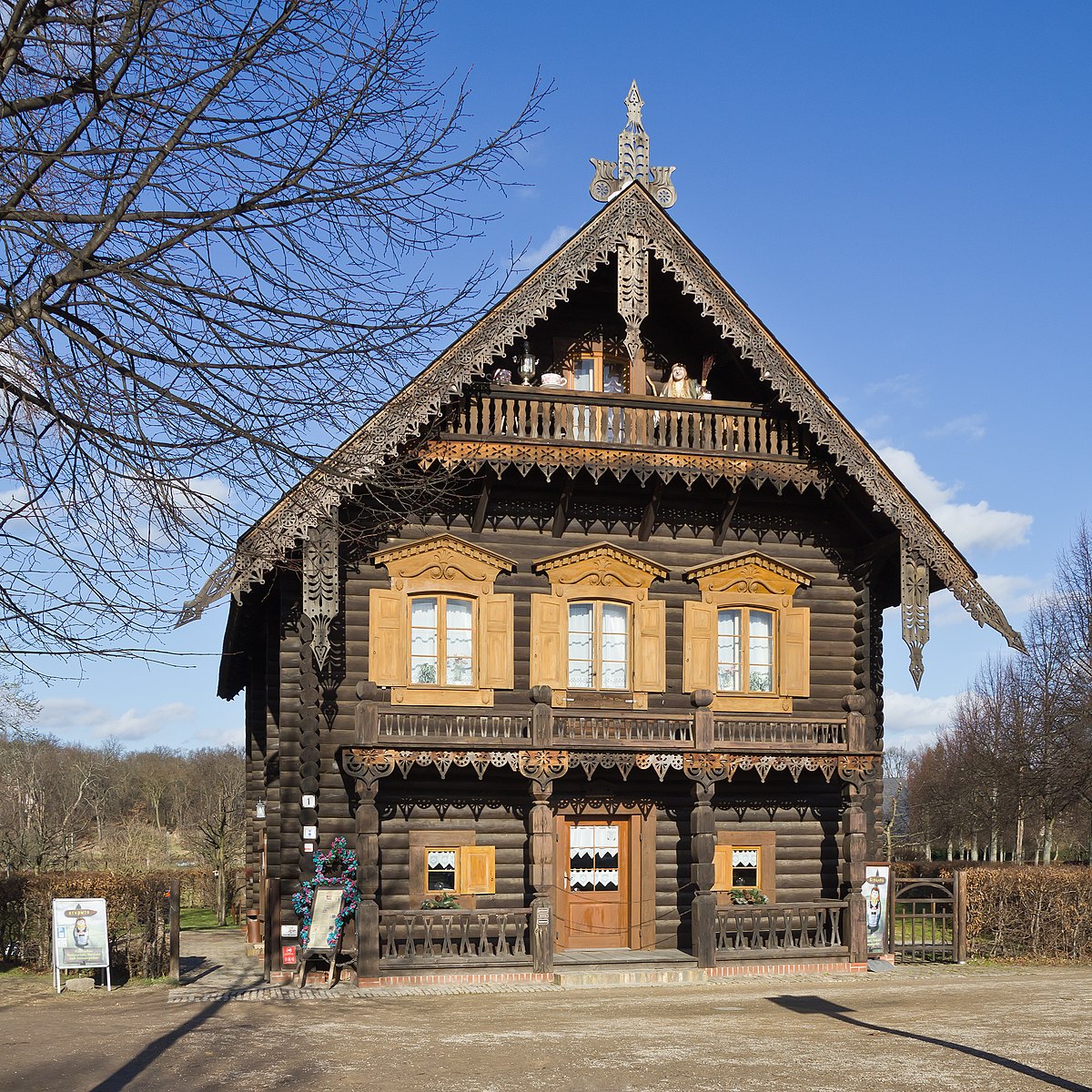
Located in the picturesque city of Potsdam, Germany, Alexandrowka is an intriguing architectural ensemble that reflects a unique blend of Russian and …

Alte Burg Penzlin
📍 Brandenburg, Germany
Alte Burg Penzlin, a captivating castle located in the quaint town of Penzlin, Germany, serves as a remarkable example of medieval architecture and …

Alte Dorfkirche Röxe
📍 Brandenburg, Germany
The Alte Dorfkirche Röxe stands as a poignant symbol of architectural and cultural history in the Stendal region of Germany. This church building, …
More Museums

Abbey and Altenmünster of Lorsch
📍 Baden-Württemberg, Germany
The Abbey and Altenmünster of Lorsch is a UNESCO World Heritage site located in the charming town of Lorsch, Germany. This significant cultural …
Abenteuermuseum
📍 Rhineland-Palatinate, Germany
The Abenteuermuseum, located in Germany, invites visitors to explore the wonders of adventure through its unique exhibits and engaging experiences. …

Abwasser- und Sielmuseum
📍 Hamburg, Germany
The Abwasser- und Sielmuseum, located in the heart of Hamburg-Mitte, offers a unique glimpse into the city’s historical infrastructure concerning …

Academy of Arts, Berlin
📍 Berlin, Germany
The Academy of Arts in Berlin is not just a museum; it is a prominent national institution dedicated to the advancement of the arts in Germany. …

Ackerbürgermuseum Haus Leck
📍 Hesse, Germany
Ackerbürgermuseum Haus Leck is a culturally significant museum located in Germany’s Grebenstein region, dedicated to preserving and showcasing the …

Active Museum Spiegelgasse
📍 Hesse, Germany
Active Museum Spiegelgasse is a vital institution dedicated to preserving and exploring the German-Jewish history of Wiesbaden, Germany. Located in …