Overview
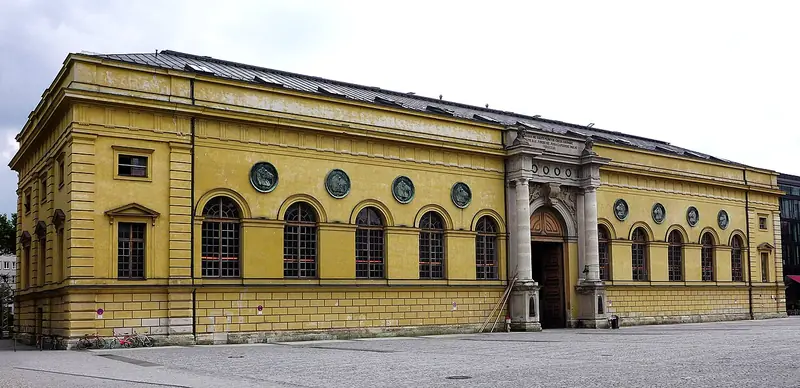
In the heart of Germany, Marstall stands as a distinguished cultural site, reflecting the nation’s artistic heritage and architectural ingenuity. Designed between 1819 and 1822 by the renowned architect Leo von Klenze, this neoclassical theater serves as a major component of the former Hofmarstall complex, which once encompassed the Marstallplatz. Despite the passage of time and the reduction of the original structures, Marstall continues to play a significant role in Germany’s vibrant cultural landscape. Visitors flock to this historical venue not only for its compelling performances but also for its impressive architectural features.
Situated at the coordinates of 48.1403° N and 11.5818° E, Marstall is easily accessible and invites exploration into its storied past and cultural contributions. Whether you are an architecture enthusiast, a theater lover, or simply curious about Germany’s heritage, Marstall promises a captivating experience that will enrich your understanding of the country’s artistic endeavors.
History and Significance
Marstall’s historical significance is deeply rooted in its association with the Bavarian court. Originally part of the larger Hofmarstall complex, which served as the royal stables, it was designed to reflect the grandeur and aspirations of the time. The theater has been a hub for cultural expression and artistic performance since its inception and has hosted numerous theatrical productions, concerts, and other cultural events, contributing to the artistic landscape of Munich.
The building’s construction was overseen by Leo von Klenze, a pivotal figure in 19th-century architecture. His vision encompassed not only the aesthetic appeal of the structure but also its functionality as a theater. Over the years, Marstall has adapted to the changing needs of society, transitioning from its original purpose to accommodate contemporary performances while maintaining its historical essence.
The theater’s cultural importance extends beyond its architectural design. It has served as a venue for significant artistic events, fostering the growth of theatrical arts in Germany. As a former royal establishment, Marstall has witnessed the evolution of performance art, mirroring societal changes and artistic movements throughout the decades. Today, it remains a vital part of Munich’s cultural identity, drawing locals and tourists alike for its performances that celebrate both traditional and modern art forms.
Architecture and Features
Marstall is a striking example of neoclassical architecture, characterized by its monumental scale and elegant design. The building is notable for its symmetrical façade, which is adorned with classic columns and intricate detailing that exemplify the architectural styles of the early 19th century. The use of stone and the careful arrangement of architectural elements contribute to its imposing presence within the urban landscape.
The theater’s interior features a blend of traditional and contemporary design elements, allowing for a versatile performance space that can accommodate a variety of artistic expressions. The auditorium is designed to enhance acoustics, ensuring that every performance resonates with clarity and depth. While specific interior features may vary, the overall layout is optimized for audience engagement and comfort, offering an intimate setting for theatrical productions.
Marstall’s design not only serves functional purposes but also reflects the cultural values of its time, emphasizing the importance of theater and the arts in society. Visitors to Marstall can appreciate both the aesthetic beauty of the exterior and the thoughtfully designed interior spaces that have hosted countless performances over the years.
Visiting Information
Planning a visit to Marstall is a straightforward endeavor, with multiple transport options available to reach this cultural landmark. Given its central location in Munich, visitors can easily arrive by public transportation, including trams and buses that connect to major city routes. For those driving, parking options may be available nearby, but it is advisable to check ahead for specific details.
When visiting Marstall, it’s essential to check the official website for current information regarding opening hours and ticket prices, as these details can fluctuate based on performance schedules and seasonal events. The theater often hosts a range of performances, so timing your visit to coincide with a show can enhance your experience.
Most visitors typically spend a few hours at Marstall, allowing time to explore the building, absorb its atmosphere, and enjoy a performance. The best times to visit may vary, but attending shows during the evening can provide a vibrant atmosphere filled with anticipation and excitement.
Expect to be captivated not only by the performances but also by the theater’s historical ambiance, which adds a unique layer to the experience. Whether you are attending a matinee or an evening performance, Marstall offers a cultural experience that is both enriching and enjoyable.
Nearby Attractions
While Marstall itself is a remarkable destination, several nearby attractions enhance the cultural journey through Munich. Consider exploring the following sites:
Maximilianstraße: This elegant street is known for its upscale shops and beautiful architecture, making it a perfect spot for a leisurely stroll before or after your visit to Marstall.
Bavarian State Opera: Situated nearby, this world-renowned opera house is a must-visit for lovers of classical music and performing arts, with performances that rival those of Marstall.
Residenz München: The former royal palace of the Bavarian monarchs, this site offers an insight into the opulent lifestyle of the royals and showcases stunning art and architecture.
Englischer Garten: This expansive park is ideal for a relaxing walk or a picnic, providing a serene contrast to the bustling city atmosphere and the grandeur of nearby theaters.
Deutsches Museum: Located not far from Marstall, this museum is dedicated to science and technology and offers engaging exhibitions that cater to a variety of interests.
Insider Tips
To make the most of your visit to Marstall, consider these insider tips:
Photography: While photography may be allowed in certain areas, it’s advisable to check for specific regulations within the theater, especially during performances.
Crowd Avoidance: If you prefer a quieter experience, consider visiting during weekdays or attending matinee performances, which tend to attract fewer visitors than evening shows.
Practical Information
When planning your visit to Marstall, it’s wise to consider a few practical details:
What to Bring: Bring comfortable shoes for walking, as you may explore the surrounding area. A light jacket or sweater is also recommended, as indoor temperatures can vary.
Seasonal Considerations: Munich experiences a wide range of seasonal weather, so check the forecast before your visit. Spring and early autumn typically offer pleasant weather for exploring both Marstall and its nearby attractions.
Frequently Asked Questions
How long should I spend visiting?
A visit to Marstall typically lasts a few hours, especially if you plan to attend a performance.
Is photography allowed?
Photography policies vary; it’s best to check the regulations upon arrival, particularly during performances.
Are there guided tours?
Guided tours may be offered, but availability can vary. Check the official website for current details.
What’s the best time to visit?
The best time to visit depends on performance schedules, with evening shows generally providing a lively atmosphere.
Is it wheelchair accessible?
Accessibility features may be available, but it’s advisable to check specific details on the official website.
Can I buy tickets online?
Online ticket purchasing options are typically available. Check the official website for the latest information.
Are there restrooms and cafes?
Facilities such as restrooms and cafes are usually available, but confirm specifics ahead of your visit.
What should I wear?
Dress codes can vary by performance; generally, smart casual attire is appropriate for theater visits.



