
Marienstern Abbey
Overview
Marienstern Abbey, a captivating monastery located in the Brandenburg region of Germany, invites visitors to immerse themselves in its tranquil atmosphere and rich spiritual heritage. Situated in Mühlberg/Elbe, this abbey is not merely an architectural wonder but a significant site of historical and cultural relevance. The monastery stands as a reflection of the monastic life that has flourished in the area for centuries, offering a glimpse into the spiritual practices and community life of its inhabitants.
As you approach Marienstern Abbey, the serene landscape surrounding the structure enhances its peaceful ambiance, making it an ideal destination for those seeking solace or a deeper connection to history. The abbey serves as a pivotal point in understanding the evolution of monastic traditions in Germany and their impact on the cultural fabric of the region. Visitors can expect a meaningful experience, with opportunities to explore the abbey’s architectural features, learn about its history, and appreciate the dedication of those who have maintained its legacy through the ages.
History and Significance
The history of Marienstern Abbey is intertwined with the broader narrative of monasticism in Germany, particularly within the context of the Cistercian order. Founded with the intention of fostering a deep spiritual life, the abbey has played a crucial role in the religious landscape of the region. Monasteries like Marienstern were often centers of agricultural innovation, education, and cultural preservation during periods of social change and upheaval.
Throughout its existence, Marienstern Abbey has witnessed significant historical events, including the Reformation and various socio-political shifts in Germany. The abbey was a vital spiritual and community hub, where monks dedicated their lives to prayer, work, and the service of others. Such institutions were critical in preserving knowledge and culture, especially during times when literacy was not widespread.
Even today, Marienstern Abbey represents more than just a historical site; it embodies the ongoing commitment to monastic values and spiritual life. The abbey continues to attract visitors and pilgrims, serving as a reminder of the enduring nature of faith and community. Its significance extends beyond its physical presence, encapsulating centuries of devotion and cultural legacy.
Architecture and Features
Marienstern Abbey features architectural styles that reflect the historical periods through which it has evolved. The structure is characterized by its simplicity and functionality, typical of Cistercian design, emphasizing a harmony between the natural surroundings and man-made edifices. The use of local materials and traditional building techniques contributes to the abbey’s authenticity and connection to its environment.
Key features of Marienstern Abbey include its well-preserved cloister, which offers a glimpse into the quiet life of the monks. The layout is designed to facilitate meditation and contemplation, essential elements of monastic life. Visitors can explore various rooms that highlight the daily activities of the monks, including the chapter house, refectory, and individual cells where they spent time in prayer and study.
The abbey’s chapel is particularly noteworthy, showcasing elements of both medieval and later architectural influences. It serves as the spiritual heart of the monastery, where services and religious observances take place. The chapel’s interior often reflects the artistic sensibilities of the periods during which it was renovated and restored, making it a point of interest for architecture enthusiasts and those curious about religious art.
Visiting Information
Accessing Marienstern Abbey is relatively straightforward, with various transport options available for visitors. The abbey is located in Mühlberg/Elbe, which is well-connected to major cities in Brandenburg. Visitors can consider using public transport or driving to the site; however, it’s advisable to check the official website for current details on transport and accessibility options.
When planning your visit, it is essential to check the official website for information regarding opening hours and ticket prices, as these can vary. Typically, visitors can expect a peaceful atmosphere, allowing ample time to explore the grounds and absorb the spiritual ambiance of the abbey. A visit may take a couple of hours, depending on your interest in the historical and architectural aspects of the site.
The best times to visit Marienstern Abbey are during the spring and autumn months when the weather is mild, allowing for comfortable exploration of the outdoor areas. Additionally, visiting during weekdays can help avoid larger crowds often present on weekends, providing a more intimate experience.
Nearby Attractions
Visitors to Marienstern Abbey can take advantage of the surrounding attractions that further enrich the experience:
Lutherstadt Wittenberg: A short drive away, this historic city is known for its connection to Martin Luther and the Protestant Reformation. Explore sites such as the Castle Church and Luther’s home.
Elbe River: The scenic river offers opportunities for leisurely walks, cycling, and enjoying the natural beauty of the region.
Mühlberg Town: The charming town nearby features local shops and eateries, providing a taste of the regional culture.
Sachsenhausen Concentration Camp Memorial: Located in Oranienburg, this site serves as a poignant reminder of history and offers educational insights into the Holocaust.
Renaissance Castle in Oranienbaum: This stunning castle showcases Renaissance architecture and beautiful gardens, perfect for a leisurely visit.
Insider Tips
For those planning to photograph Marienstern Abbey, early morning or late afternoon can provide the best natural lighting. This timing allows for capturing the unique architectural details without the harsh glare of midday sun. Additionally, exploring the abbey on weekdays can help avoid large crowds, allowing for a more personal experience and better photo opportunities.
Be sure to take your time wandering the grounds, as the tranquility of the environment can be profoundly moving. Engaging with the history and spirituality of the site can add depth to your visit.
Practical Information
When visiting Marienstern Abbey, it’s advisable to bring comfortable walking shoes, as the site involves exploration of both indoor and outdoor areas. Depending on the season, consider layering your clothing to accommodate changing temperatures, particularly if you plan to spend time outdoors.
Visitors should also check the official website for information on any seasonal events or special services that might be taking place during their visit, as these can enhance the experience.
Frequently Asked Questions
How long should I spend visiting?
A visit to Marienstern Abbey typically takes about 2-3 hours, allowing time to explore the grounds and appreciate the architecture.
Is photography allowed?
Yes, photography is generally allowed, but be respectful of the spiritual nature of the site and any signage regarding restrictions.
Are there guided tours?
Check the official website for information on guided tours, as they may be available during certain times or events.
What’s the best time to visit?
The best times to visit are during spring and autumn when the weather is mild and crowds are typically smaller.
Is it wheelchair accessible?
Check the official website for details on accessibility options to ensure a comfortable visit.
Can I buy tickets online?
For current information on ticket purchasing options, including online availability, please check the official website.
Are there restrooms and cafes?
Check the official website for information on facilities available at the abbey.
What should I wear?
Visitors should dress modestly and comfortably, keeping in mind the spiritual nature of the site and the varying weather conditions.
More in Brandenburg
Agnetenkloster
📍 Brandenburg, Germany
Agnetenkloster, a former monastery located in the heart of Magdeburg, Germany, invites visitors to explore its serene ambiance and historical …

Agroneum
📍 Brandenburg, Germany
Agroneum is a museum located in the serene landscape of Alt Schwerin, Germany. This establishment serves as a vibrant hub for those interested in the …

Alexander Nevsky Memorial Church
📍 Brandenburg, Germany
The Alexander Nevsky Memorial Church in Potsdam, Germany, offers visitors a unique glimpse into the city’s cultural and religious heritage. This …
Alexandrowka
📍 Brandenburg, Germany
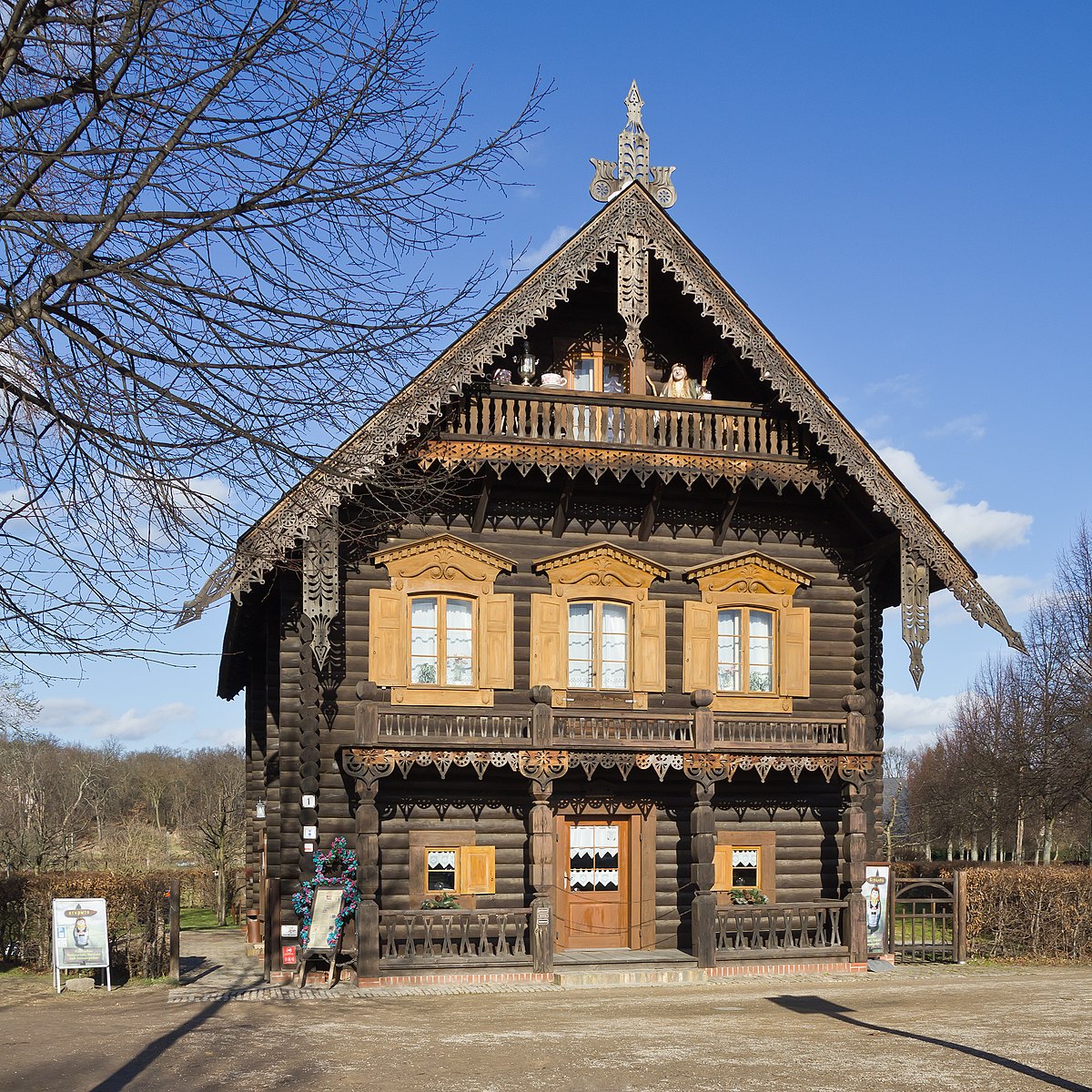
Located in the picturesque city of Potsdam, Germany, Alexandrowka is an intriguing architectural ensemble that reflects a unique blend of Russian and …

Alte Burg Penzlin
📍 Brandenburg, Germany
Alte Burg Penzlin, a captivating castle located in the quaint town of Penzlin, Germany, serves as a remarkable example of medieval architecture and …

Alte Dorfkirche Röxe
📍 Brandenburg, Germany
The Alte Dorfkirche Röxe stands as a poignant symbol of architectural and cultural history in the Stendal region of Germany. This church building, …
More Monasteries

Abbey of Saint Peter in the Black Forest
📍 Baden-Württemberg, Germany
The Abbey of Saint Peter in the Black Forest is a remarkable testament to monastic tradition, offering visitors a direct encounter with the serene …

Abbey of St. Nikola in Passau
📍 Bavaria, Germany
The Abbey of St. Nikola in Passau stands as a significant religious and cultural landmark in this historic German city. Located at coordinates …
Abgebrochenes Kirchengebäude in Eisenach
📍 Thuringia, Germany
The Abgebrochenes Kirchengebäude in Eisenach, located in the heart of Germany, is a site of intriguing historical significance. As you approach this …

Abtei Grüssau
📍 Baden-Württemberg, Germany
Abtei Grüssau, a remarkable monastery located in Bad Wimpfen, Germany, is not just a site of religious significance but also a cultural landmark that …

Abtei Mariendonk
📍 North Rhine-Westphalia, Germany
Abtei Mariendonk, a serene monastery located in the tranquil region of Grefrath, Germany, invites visitors to explore its spiritual and architectural …

Abtei Rommersdorf
📍 North Rhine-Westphalia, Germany
Abtei Rommersdorf, a serene and contemplative monastery located in Neuwied, Germany, invites visitors to explore its profound spiritual heritage and …