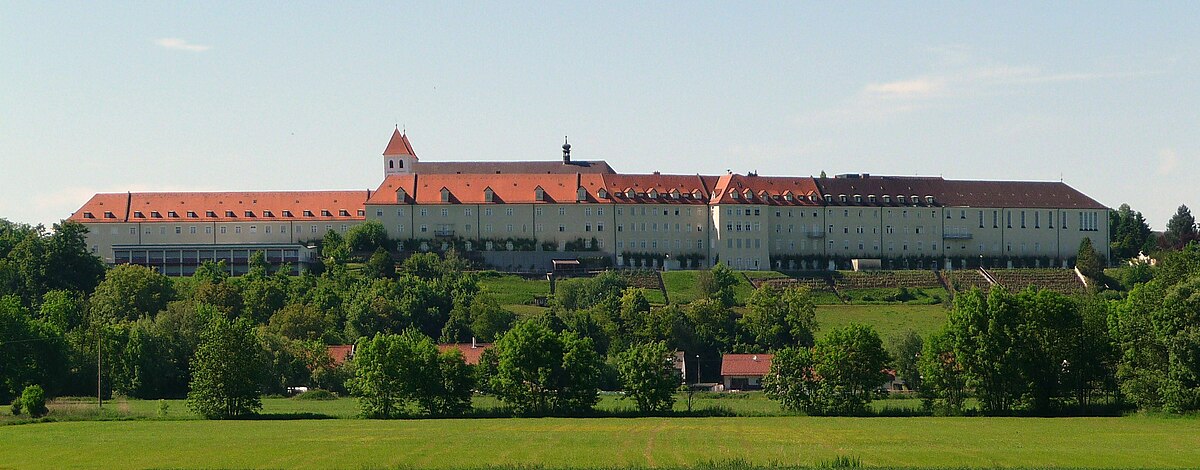
Mallersdorf Abbey
Overview
Mallersdorf Abbey, a remarkable brewery located in the heart of Bavaria, Germany, offers visitors a unique glimpse into monastic life and brewing traditions. Situated in the quaint region of Mallersdorf-Pfaffenberg, the abbey’s establishment has played a significant role in the cultural and historical landscape of this area. Beyond its function as a brewery, the abbey embodies the synthesis of spirituality and craftsmanship, attracting both history enthusiasts and beer aficionados alike. As you explore its grounds, you’ll uncover the intriguing intersection of monastic traditions and local brewing practices that have persisted through the centuries.
History and Significance
The origins of Mallersdorf Abbey are rooted in centuries of monastic life, with a legacy that intertwines religious devotion and communal livelihood. The abbey’s establishment reflects the wider movement of monasticism across Europe, where communities sought to create places of worship and productivity. Monasteries like Mallersdorf served as centers of agricultural innovation and craftsmanship, contributing significantly to the local economy.
Throughout its history, the abbey has adapted to various cultural shifts, maintaining its relevance in a changing world. The brewing tradition, in particular, has become a hallmark of Mallersdorf Abbey, with monks historically engaging in brewing practices to support their community and provide sustenance. The beer produced here has not only served the abbey’s needs but has also become a cherished product in the surrounding regions.
As you delve into the history of Mallersdorf Abbey, you’ll discover its role in the broader tapestry of Bavarian culture, where monastic brewing has been celebrated for its quality and consistency. The abbey’s commitment to preserving brewing traditions mirrors the dedication of its inhabitants to their spiritual and communal responsibilities, making it a vital part of the cultural heritage of Mallersdorf-Pfaffenberg.
Architecture and Features
Mallersdorf Abbey exhibits a blend of architectural styles that reflect its long history. The abbey’s design is both functional and aesthetic, incorporating elements that serve the dual purpose of worship and work. The brewery itself is a prominent feature, characterized by traditional brewing equipment that showcases centuries-old techniques.
One of the notable aspects of the abbey’s architecture is its harmonious integration with the surrounding landscape. The structures are built with local materials, creating a cohesive look that resonates with the natural beauty of the region. Visitors will appreciate the simple yet elegant lines of the buildings, which convey a sense of tranquility and purpose.
Inside the abbey, the atmosphere is imbued with a sense of reverence, reflecting the monastic life that continues to influence its operations. The brewing facilities are designed to facilitate the production of high-quality beer, with an emphasis on traditional methods that respect the craft’s historical roots. The careful attention to detail in both the architecture and the brewing process highlights the abbey’s dedication to preserving its heritage.
Visiting Information
When planning a visit to Mallersdorf Abbey, it is advisable to check the official website for current information regarding hours and pricing. The abbey is accessible by various modes of transport, making it a convenient destination for those traveling within Bavaria. Whether you arrive by car, public transport, or on foot, the journey to the abbey is enriching in itself.
Visitors can expect a well-organized experience at the abbey, where they can explore the brewing facilities, learn about the history of the site, and even sample the products crafted on-site. A typical visit might take a couple of hours, allowing ample time to absorb the atmosphere and engage with the exhibits.
The best times to visit are often during local festivals or events, when the abbey showcases its brewing heritage in vibrant ways. However, even during quieter periods, the abbey’s serene environment provides a perfect backdrop for reflection and appreciation of its significance.
Nearby Attractions
Pfaffenberg Church: Located nearby, this church offers a glimpse into local religious practices and architecture, showcasing the spiritual life that complements the monastic traditions of the abbey.
Bavarian Forest National Park: A short distance away, this expansive park provides opportunities for hiking and enjoying the natural landscapes, perfect for those looking to combine their visit with outdoor activities.
Regensburg: A historic city known for its medieval architecture and UNESCO World Heritage status, Regensburg is a must-visit for those interested in exploring more of Bavaria’s rich history.
Landshut: This charming city, famous for its historic buildings and the Landshut Wedding festival, offers additional cultural experiences within a reasonable travel distance from the abbey.
Altmühltal Nature Park: Known for its stunning landscapes and diverse flora and fauna, this nature park is ideal for nature lovers looking to immerse themselves in the Bavarian countryside.
Insider Tips
To make the most of your visit to Mallersdorf Abbey, consider timing your visit during weekdays to avoid larger crowds that often gather on weekends. Early morning visits can also provide a quieter experience for those wishing to savor the abbey’s atmosphere.
Photography is encouraged, but be mindful of areas where it may be restricted. Capturing the brewing process and the architectural details of the abbey can yield stunning images. A good tip is to bring a camera with a good zoom lens to capture both the intricate details of the buildings and the broader landscape.
Practical Information
When preparing for your visit, it is advisable to bring comfortable walking shoes, as exploring the abbey and its surroundings may involve some walking. Depending on the season, you may want to dress in layers to adapt to changing weather conditions.
In the summer months, the abbey may become a popular destination, so plan accordingly by arriving early to secure parking and enjoy a leisurely exploration. Conversely, visiting during the cooler months can provide a different perspective on the abbey’s serene environment, offering a peaceful retreat from the busyness of daily life.
Frequently Asked Questions
How long should I spend visiting?
A visit typically lasts around 2-3 hours, allowing ample time to explore the brewery and appreciate the abbey’s history.
Is photography allowed?
Photography is generally permitted in most areas, but be mindful of signs that may indicate restrictions.
Are there guided tours?
Guided tours may be available; check the official website for current offerings and times.
What’s the best time to visit?
Weekdays, particularly in the morning, tend to be less crowded, allowing for a more peaceful experience.
Is it wheelchair accessible?
Accessibility information may vary; check the official website for specific details regarding wheelchair access.
Can I buy tickets online?
For current ticketing options, including online purchases, please refer to the official website.
Are there restrooms and cafes?
Facilities may be available on-site; check the official website for the most accurate information.
What should I wear?
Dress comfortably and in layers to accommodate the variable weather conditions typical of Bavaria.
Location
More in Bavaria

8. November 1939 (Denkmal)
📍 Bavaria, Germany
The 8. November 1939 (Denkmal) stands as a poignant monument in Munich, Germany, marking a significant moment in the nation’s history. Dedicated to …

Abbey of St. Nikola in Passau
📍 Bavaria, Germany
The Abbey of St. Nikola in Passau stands as a significant religious and cultural landmark in this historic German city. Located at coordinates …

Abensbergerdenkmal
📍 Bavaria, Germany
The Abensbergerdenkmal, a notable monument located in Freising, Upper Bavaria, Germany, serves as an evocative reminder of the region’s historical and …
Abrechen (München)
📍 Bavaria, Germany
Abrechen in München is a bridge that plays a significant role in the connectivity of this bustling German city. Located at coordinates 48.1357, …
Abschnittsbefestigung Andechs
📍 Bavaria, Germany
The Abschnittsbefestigung Andechs, a striking castle located in the scenic region of Andechs, Germany, offers a fascinating glimpse into the …
Abschnittsbefestigung im Taitinger Holz
📍 Bavaria, Germany
The Abschnittsbefestigung im Taitinger Holz represents an intriguing chapter in Germany’s medieval architectural narrative. Located in Bavaria, this …
More Breweries

Actien-Brauerei Homburg v. d. Höhe
📍 Hesse, Germany
Actien-Brauerei Homburg v. d. Höhe is a significant historical brewery located in Bad Homburg vor der Höhe, Germany. This former brewery is a …

Altes Brauhaus (Kempten)
📍 Baden-Württemberg, Germany
Altes Brauhaus in Kempten, Germany, is a fascinating brewery that offers a glimpse into the region’s rich brewing heritage. This historic building, …

Altes Brauhaus zu Fallersleben
📍 Lower Saxony, Germany
Altes Brauhaus zu Fallersleben, a historic brewery located in Wolfsburg, Germany, embodies the essence of traditional German brewing. This …

Arcobräu
📍 Bavaria, Germany
In the heart of Germany, the Arcobräu brewery stands as a significant establishment in the country’s long-standing beer culture. Located in the small …

Ballhaus Watzke
📍 Saxony, Germany
Ballhaus Watzke, located in the vibrant city of Dresden, Germany, is more than just a brewery; it is an establishment that embodies the city’s rich …

Bärenquell-Brauerei
📍 Berlin, Germany
In the heart of Berlin, the Bärenquell-Brauerei stands as a prominent symbol of the city’s brewing heritage. This historic brewery has become a …