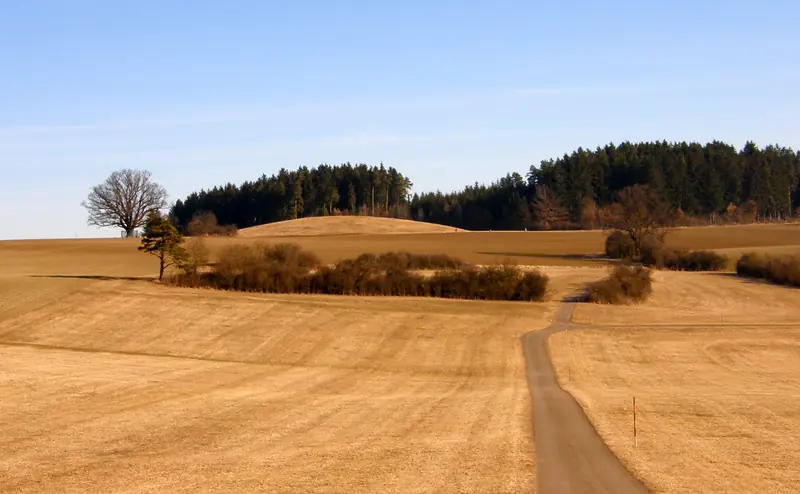
Overview
Imagine standing at a site that whispers tales of ancient lives, where the earth holds the secrets of the Iron Age. Magdalenenberg, an archaeological site located in Germany, offers a glimpse into this enigmatic past through its impressive tumulus, a burial mound that has stood the test of time. Situated at coordinates 48.0443, 8.4437, this site is enveloped by the surrounding landscape, inviting visitors to explore its historical significance.
The importance of Magdalenenberg extends beyond its physical structure; it provides invaluable insights into the cultural practices and societal structures of the Iron Age inhabitants of the region. As you traverse this site, you will uncover the mysteries of ancient burial rituals and the significance of tumuli in the broader context of European prehistoric culture. Your visit promises to be both enlightening and thought-provoking, as you connect with a slice of history that shaped the landscape of human civilization.
History and Significance
The tumulus at Magdalenenberg serves as a remarkable testament to the burial practices of the Iron Age. Throughout centuries, these structures were constructed as monumental graves for the elite members of society, often filled with grave goods that reflect the customs, beliefs, and status of the deceased. While specific details about individual burials at Magdalenenberg may be scarce, the broader cultural context reveals the significance of such sites in understanding the social hierarchies and rituals of the time.
Archaeological investigations at similar sites have revealed that tumuli not only served as burial places but also as markers of territory and lineage. They were often situated in prominent locations, allowing them to be visible across the landscape, reinforcing the memory of the deceased. The presence of grave offerings, including tools, ornaments, and pottery, speaks to the belief in an afterlife and the importance of material culture in the Iron Age.
As you delve into the history of Magdalenenberg, consider how these ancient practices reflect the values and beliefs of their creators. The site contributes to our understanding of the dynamics within Iron Age societies, such as their trade networks, agricultural practices, and social structures. The study of such archaeological sites aids historians and archaeologists in piecing together the complex puzzle of human history in Europe.
Architecture and Features
Magdalenenberg is characterized primarily by its tumulus, which is a mound of earth and stones built to cover burial sites. While specific architectural details may not be available, tumuli are typically constructed using a variety of materials, including soil, rocks, and organic matter, which are layered to create a prominent mound. The design of these structures reflects the engineering capabilities of the time and the significance placed on the burial practices.
Visitors to Magdalenenberg should pay attention to the overall shape and size of the tumulus, as these features can vary widely and often indicate the status of the individual buried within. Look for any visible markers or remnants that may hint at the burial rituals practiced by the Iron Age inhabitants. The landscape surrounding the tumulus may also provide context, as these sites were often located in areas of strategic visibility, signifying their importance.
As you explore, take note of how the tumulus interacts with the natural environment, and consider what it may have looked like in its prime. The juxtaposition of the ancient mound against the backdrop of the surrounding landscape offers a striking visual experience, inviting reflection on the lives of those who once inhabited this region.
Visiting Information
Getting to Magdalenenberg is relatively straightforward, with various transport options available in the surrounding area. Depending on your starting point, you may find local transport services, including buses or trains, offering convenient access to the site. Consider checking regional transportation guides for the best routes.
Hours: Check the official website for current opening hours.
Prices: Visit the official website for current admission prices.
During your visit, expect a serene atmosphere, ideal for reflection and exploration. The site typically requires about 1-2 hours to fully appreciate, allowing you ample time to wander around the tumulus and absorb the historical significance of the area. If you prefer to visit when there are fewer crowds, early morning is generally a favorable time.
Best times to visit are often during the spring and fall, when the weather is more temperate, making your exploration more enjoyable. As for accessibility, be sure to check with the site directly for information regarding facilities and ease of access.
Nearby Attractions
While exploring Magdalenenberg, consider visiting these nearby attractions that further enhance your understanding of the region’s archaeological significance:
Other Tumulus Sites: The nearby area may have additional tumulus sites, each offering unique insights into Iron Age burial practices and cultural traditions.
Local Museums: Museums in the vicinity often feature exhibits on Iron Age artifacts and archaeological findings, enriching your knowledge of the time period.
Historical Landmarks: Look for historical landmarks that provide context to the era, such as ancient settlements or fortifications that may have interacted with the culture surrounding Magdalenenberg.
Scenic Walks: The surrounding landscape is likely to offer scenic walking paths, allowing you to enjoy the natural beauty while reflecting on the historical significance of the site.
Cultural Events: Depending on the time of your visit, local events or reenactments may take place, offering a dynamic way to engage with the history of the region.
Insider Tips
For the best photography opportunities, aim for early morning or late afternoon when the light casts softer shadows across the landscape. This will enhance your photos of the tumulus against the backdrop of the surrounding area.
As you explore, look closely for any subtle details that may not be immediately noticeable, such as variations in the mound’s construction or natural features that may have influenced its placement. These details can lend depth to your understanding of the site.
To avoid crowds, consider visiting during weekdays or outside of peak tourist seasons. This will allow for a more intimate experience as you engage with the history of the site.
Finally, local tips may include bringing a picnic to enjoy in the surrounding landscape, ensuring you take full advantage of your time at Magdalenenberg.
Practical Information
To make the most of your visit to Magdalenenberg, consider the following practical details:
What to bring: Comfortable walking shoes are essential for navigating the site and surrounding area. A camera is also recommended for capturing the unique features of the tumulus.
Seasonal considerations: Be mindful of the weather when planning your visit. Dress in layers, as temperatures can fluctuate, particularly in spring and fall.
Facilities: Check with the site for information on available amenities, including restrooms or picnic areas, to ensure a comfortable experience during your visit.
Frequently Asked Questions
How long should I spend visiting?
You should plan to spend about 1-2 hours at Magdalenenberg to fully appreciate the site and its historical significance.
Is photography allowed inside?
Photography is typically allowed, but be sure to verify any specific guidelines on-site.
Are there guided tours available?
Check with the site directly for information on guided tours that may enhance your understanding of the archaeological features.
What’s the best time of day to visit?
Early morning is often the best time to visit to avoid crowds and enjoy a more peaceful atmosphere.
Is the site wheelchair accessible?
Contact the site directly for the latest information on accessibility options for visitors with mobility challenges.
Can I buy tickets online?
Visit the official website for current admission prices and ticket purchasing options.
Are there facilities like restrooms and cafes?
Check with the site directly for information regarding available facilities, including restrooms and any nearby cafes.
What should I wear when visiting?
Dress comfortably and consider the weather conditions for your visit, as you may be walking in open areas.



