Overview
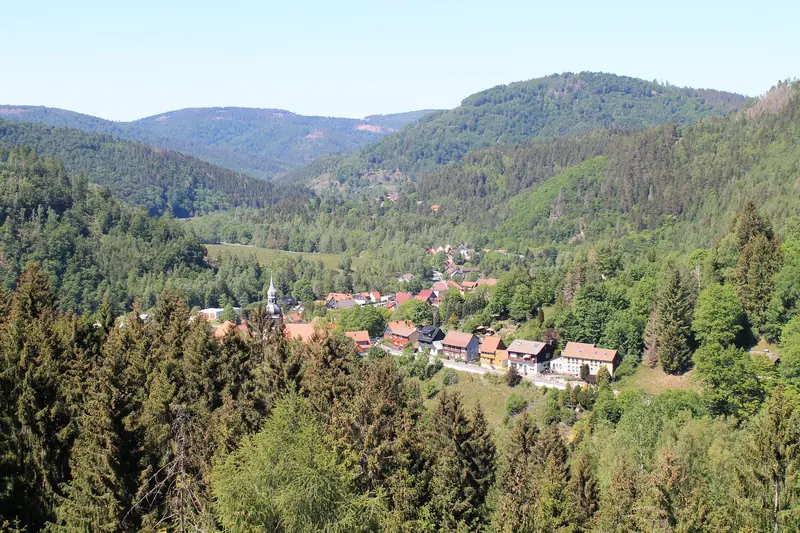
Maaßener Gaipel, located on the northeastern slope of Kranichsberg at an elevation of 420 meters above sea level, is a fascinating site that captures the essence of Germany’s industrial heritage. Situated above the historic mining town of Lautenthal in the Harz region, this site offers visitors a unique perspective on the mining history that has shaped this part of the country. With its historical significance and picturesque surroundings, Maaßener Gaipel is not only a destination for history enthusiasts but also for those seeking to appreciate the natural beauty and cultural legacy of the region.
As you approach Maaßener Gaipel, the landscape transforms into a serene environment, making it an ideal spot for relaxation and exploration. The site serves as a point of interest for both locals and travelers, inviting them to delve into the past while enjoying the scenic views that encompass the area. The site’s integration into the natural landscape allows visitors to appreciate the duality of human endeavor and nature, creating a harmonious backdrop for exploration and contemplation.
Whether you are drawn by the allure of industrial heritage or by the call of the great outdoors, Maaßener Gaipel promises a rewarding experience filled with insights into the region’s history and a chance to connect with its vibrant culture.
History and Significance
The history of Maaßener Gaipel is deeply intertwined with the mining activities that characterized the Harz region. This area has been known for its mineral resources, particularly in the extraction of silver, lead, and zinc, which played a crucial role in the economic development of the region. The establishment of mining operations in the late Middle Ages transformed Lautenthal into a significant mining town, contributing to its growth and the prosperity of the surrounding area.
Maaßener Gaipel served not only as a mine but also as a gathering place for miners and their families, reflecting the communal aspects of mining life. The site represents a slice of the industrial heritage that laid the groundwork for modern advancements in mining technology and community development. As such, it is an important cultural landmark that commemorates the lives and labors of those who worked in the mines, offering visitors insight into the challenges and triumphs of mining communities.
The Harz region, with its rich deposits of minerals, has long been a focal point for mining activities. The legacy of these endeavors is still evident in the landscape and culture of the region. The significance of Maaßener Gaipel extends beyond its operational history, as it embodies the spirit of resilience and adaptation that characterized the miners’ lives. Today, it stands as a reminder of the industrial past while inviting reflection on the environmental impacts and social changes that have occurred over the centuries.
Architecture and Features
Maaßener Gaipel is notable for its functional yet unpretentious architecture that reflects the utilitarian nature of mining structures. While specific architectural details may not be extensively documented, the site is characterized by its robust construction designed to withstand the rigors of mining operations. The structures that remain exemplify the practical design typical of 19th-century mining facilities, focusing on functionality rather than decorative elements.
Visitors to Maaßener Gaipel will find remnants of the mining infrastructure, which offer a glimpse into the past operations and the daily lives of miners. The site is integrated into the natural landscape, enhancing its historical context as a place where industry and nature coexist. The surrounding area provides opportunities for walks and exploration, allowing visitors to engage with the environment that was once shaped by mining activities.
The site serves as a focal point for understanding the broader implications of industrial heritage. It encourages visitors to consider the balance between human activity and the natural world, prompting reflection on sustainable practices in modern times. The simplicity of Maaßener Gaipel’s architecture, coupled with its historical significance, creates a profound connection to the past that resonates with those who walk its grounds.
Visiting Information
Maaßener Gaipel is accessible by various means of transport, making it a convenient destination for visitors. The site is located in the Harz region, known for its scenic landscapes and outdoor activities. Travelers can reach Lautenthal by car or public transportation, with parking facilities available nearby. The surrounding roads and trails also provide opportunities for hiking, adding to the overall experience.
When planning your visit, it is essential to check the official website for current information regarding operating hours and any potential entry fees. The site is typically open to the public, but it is advisable to verify details before your trip. Visitors can expect a leisurely experience, with ample time to explore the site and reflect on the historical context of the area.
The best times to visit Maaßener Gaipel are during the spring and autumn months, when the weather is mild and the natural surroundings are particularly inviting. Expect to spend a few hours exploring the site, allowing for time to appreciate the historical significance and engage with the landscape. Whether you are an avid historian or a casual visitor, the site offers a tranquil setting that encourages exploration and discovery.
Nearby Attractions
Lautenthal: This historic mining town is located just a short distance from Maaßener Gaipel. With its charming architecture and mining museums, Lautenthal provides additional context to the region’s industrial heritage.
Harz National Park: Just a drive away, this national park is renowned for its stunning natural landscapes, hiking trails, and diverse wildlife, perfect for outdoor enthusiasts looking to explore the beauty of the Harz mountains.
Goslar: A UNESCO World Heritage Site, this medieval town is famous for its well-preserved architecture and rich mining history. It features numerous attractions, including the Imperial Palace and the historic market square.
Clausthal-Zellerfeld: Known for its beautiful half-timbered houses and mining history, this town offers visitors additional insights into the region’s heritage with museums and cultural sites.
The Brocken: The highest peak in the Harz Mountains, accessible via hiking trails or a scenic railway. It offers panoramic views and is a popular destination for nature lovers and hikers.
Insider Tips
To make the most of your visit to Maaßener Gaipel, consider bringing a camera to capture the unique architecture and surrounding landscapes. Early mornings or late afternoons are ideal for photography, as the soft light enhances the site’s historical features.
To avoid crowds, plan your visit during weekdays or outside of peak tourist seasons. This will allow for a more intimate experience, giving you time to contemplate the history of the site without distractions.
Engage with the local community if you have the chance; they can offer insights and stories that enrich your understanding of the site and its significance.
Practical Information
When visiting Maaßener Gaipel, it is advisable to wear comfortable clothing and sturdy footwear, especially if you plan to explore the surrounding trails. The terrain can be uneven, so appropriate footwear will enhance your experience.
Seasonal considerations should also be taken into account. The Harz region experiences cold winters, so if you visit during this time, be prepared for potentially icy conditions. Spring and autumn offer pleasant weather for exploration, while summer can bring more visitors.
Be sure to bring along water and snacks, especially if you plan to spend several hours at the site or exploring nearby attractions. With its peaceful environment, Maaßener Gaipel is an excellent place for a quiet picnic.
Frequently Asked Questions
How long should I spend visiting?
A visit to Maaßener Gaipel typically lasts between two to three hours, allowing ample time to explore the site and its surroundings.
Is photography allowed?
Yes, photography is permitted at Maaßener Gaipel. Visitors are encouraged to capture the site’s historical architecture and beautiful landscapes.
Are there guided tours?
While specific guided tours may not be available, self-guided exploration is encouraged. Informational signs may provide insights into the site’s history.
What’s the best time to visit?
The best times to visit are during the spring and autumn months, when the weather is generally mild and the natural surroundings are particularly inviting.
Is it wheelchair accessible?
Check the official website for current information on accessibility options at Maaßener Gaipel, as terrain and facilities may vary.
Can I buy tickets online?
Check the official website for current information on ticketing options, including whether online purchases are available.
Are there restrooms and cafes?
Facilities may be limited at the site. Check the official website for specific amenities available during your visit.
What should I wear?
Comfortable clothing and sturdy shoes are recommended, especially if you plan to explore the trails surrounding the site. Seasonal considerations should also guide your choice of attire.
Photo Gallery