
Lutherhaus Wittenberg
Overview
The Lutherhaus Wittenberg, located in the heart of Lutherstadt Wittenberg, Germany, serves as a pivotal museum dedicated to the life and legacy of Martin Luther, a figure whose actions sparked the Protestant Reformation in the 16th century. This museum is not merely a collection of artifacts but a space that encapsulates the spiritual and cultural transformations ignited by Luther’s teachings. With its historical significance rooted in the Reformation movement, the Lutherhaus is a testament to the enduring impact of religious reform on Western civilization.
Situated at coordinates 51.8642, 12.6525, the museum finds itself in a city steeped in reformist history. Wittenberg was where Luther famously nailed his Ninety-Five Theses to the church door, a bold act that challenged the practices of the Catholic Church and resonated throughout Europe. The museum invites visitors to explore this vital chapter in history, offering insights into Luther’s life, the theological debates of the time, and the broader socio-political landscape of the Reformation.
Visitors can expect to engage with a variety of exhibits, artifacts, and multimedia presentations that illuminate Luther’s influence, making this museum a destination for those interested in history, theology, and cultural heritage. The experience promises to be both enlightening and reflective, encouraging a deeper understanding of the legacies that shaped modern religious thought.
History and Significance
The Lutherhaus Wittenberg is deeply intertwined with the life of Martin Luther, who lived in close proximity to this site during his time in Wittenberg. This museum was originally his residence and later transformed into a center for Protestant scholarship and activity. Luther’s presence in this house and the surrounding area played a significant role in the Reformation, a movement that not only altered the course of Christianity but also influenced art, politics, and education in Europe.
The significance of Luther’s work cannot be understated. His translation of the Bible into German democratized access to scripture, allowing individuals to interpret religious texts independently of ecclesiastical authority. This act laid the groundwork for modern biblical scholarship and shaped the contours of contemporary Christian theology. The Lutherhaus serves as a repository of this transformative period, housing various documents, personal items, and artworks related to Luther and his contemporaries.
Throughout the years, the museum has evolved to encompass broader themes surrounding the Reformation, including its social, political, and cultural ramifications. It stands as an educational institution, dedicated to fostering dialogue about the Reformation’s continuing relevance in today’s world. Visitors can gain insights into not only Luther’s life but also the wider implications of his work, exploring how the Reformation has influenced concepts of individualism, governance, and religious freedom.
Moreover, the museum holds a collection of significant artifacts, including early printed works, letters, and personal items that provide a tangible connection to Luther’s life and the Reformation’s impact on society. The Lutherhaus is recognized as a UNESCO World Heritage Site, emphasizing its importance as a cultural landmark that continues to draw scholars, theologians, and tourists alike.
Architecture and Features
The architecture of the Lutherhaus Wittenberg reflects a blend of historical styles that have evolved over the centuries. Originally constructed as a residence for Martin Luther, the building showcases elements typical of the late Gothic period, with its robust and functional design. The structure has been preserved and adapted to serve its current role as a museum while retaining many of its original features.
Visitors to the museum will notice the timber-framed construction, a hallmark of the region’s architectural heritage. The interior spaces are thoughtfully arranged to guide guests through a chronological narrative of Luther’s life and the Reformation, with well-preserved rooms that once served as living quarters and study spaces for Luther and his family. The museum includes exhibition halls that present various artifacts, documents, and multimedia displays, offering a comprehensive exploration of Luther’s contributions and the ensuing cultural shifts.
Notable features of the museum include the original furnishings and personal belongings of Luther, which provide an intimate glimpse into his daily life. Additionally, the museum often hosts temporary exhibitions, lectures, and educational programs that further enrich the visitor experience, making it a dynamic space for learning and reflection. The integration of modern technologies in certain exhibits enhances interactivity, engaging visitors of all ages in the historical narrative.
The museum’s layout encourages a thoughtful exploration of the past, allowing for both individual reflection and group discussions. The blend of historical architecture with contemporary exhibition practices creates an inviting atmosphere for all who seek to understand the complexities of the Reformation and its lasting legacy.
Visiting Information
When planning a visit to the Lutherhaus Wittenberg, it is advisable to check the official website for current information regarding opening hours and ticket prices. The museum is accessible by various means of transport, including public transportation options available in Wittenberg, making it convenient for visitors from nearby regions and cities.
The museum typically offers a range of exhibits that require at least a couple of hours to fully appreciate. Visitors can expect to engage with a variety of displays that bring to life the context and significance of Luther’s work. The best times to visit are generally during weekdays to avoid larger crowds, allowing for a more contemplative experience as you explore the exhibits and reflect on the historical narratives presented.
The museum often hosts special events, lectures, and workshops that may enhance the visitor experience. Keep an eye on their calendar for any upcoming activities that could coincide with your visit, providing additional opportunities for engagement.
While the museum is designed to accommodate a diverse range of visitors, it is always wise to plan ahead, ensuring a smooth experience. Check the official website for the latest information on any special accessibility features or accommodations you may need.
Nearby Attractions
While exploring the Lutherhaus Wittenberg, visitors can take advantage of the city’s rich heritage by visiting several nearby attractions:
Castle Church (Schlosskirche): This iconic church is where Martin Luther famously affixed his Ninety-Five Theses to the door, sparking the Reformation. The church features stunning architecture and is an essential stop for understanding the Reformation’s history.
St. Mary’s Church (Marienkirche): Another significant landmark, this Gothic church houses impressive stained glass windows and offers insights into the religious practices of Luther’s time.
Wittenberg’s Old Market Square (Marktplatz): The heart of the city, this vibrant square is surrounded by historic buildings and offers a lively atmosphere, perfect for a leisurely stroll or a bite to eat.
Melanchthon House: Dedicated to Philip Melanchthon, a close associate of Luther, this museum provides further context about the Reformation and its key figures.
Luther’s Birthplace: A short walk from the Lutherhaus, this site offers a glimpse into Luther’s early life and is a significant location for those interested in his personal history.
These attractions complement the experience at the Lutherhaus and provide a fuller picture of the historical and cultural landscape of Wittenberg.
Insider Tips
To make the most of your visit to the Lutherhaus Wittenberg, consider these insider tips:
Photography: Check the museum’s policy on photography as it may vary by exhibit. While some areas might be photo-friendly, others may restrict photography to preserve artifacts.
Crowd Avoidance: To enjoy a more tranquil experience, visit during the week or early in the morning. This timing often results in smaller crowds, allowing for a more personal interaction with the exhibits.
Guided Tours: Consider joining a guided tour if available. Knowledgeable guides can provide deeper insights into the historical context and significance of the exhibits, enriching your understanding.
Engage with Staff: The museum staff are often well-versed in the subject matter. Don’t hesitate to ask questions or seek recommendations on what to see or learn more about during your visit.
Practical Information
When preparing for your visit to the Lutherhaus Wittenberg, keep these practical considerations in mind:
What to Bring: Comfortable walking shoes are advisable, as the museum and surrounding areas involve walking. A notebook or device for jotting down thoughts or reflections might also enhance your experience.
Seasonal Considerations: Check the local weather forecast, as seasonal changes can affect your visit. If visiting during colder months, dress warmly, as some areas may be less heated.
Accessibility: Ensure you inquire about the museum’s accessibility options on the official website, especially if you or someone in your party requires special accommodations.
Frequently Asked Questions
How long should I spend visiting?
A visit typically requires at least two hours to fully engage with the exhibits and understand their significance.
Is photography allowed?
Photography policies may vary by exhibit. Check with staff for specific guidelines during your visit.
Are there guided tours?
Guided tours may be available, providing deeper insights into the museum’s collections and themes.
What’s the best time to visit?
Weekdays, particularly early in the morning, tend to be less crowded, allowing for a more intimate experience.
Is it wheelchair accessible?
Check the official website for specific accessibility features to ensure a smooth visit.
Can I buy tickets online?
It is advisable to check the official website for the availability of online ticket purchases.
Are there restrooms and cafes?
The museum typically offers restroom facilities, and there may be nearby cafes for refreshments.
What should I wear?
Dress comfortably, considering the weather and the amount of walking involved during your visit.
More in Brandenburg
Agnetenkloster
📍 Brandenburg, Germany
Agnetenkloster, a former monastery located in the heart of Magdeburg, Germany, invites visitors to explore its serene ambiance and historical …

Agroneum
📍 Brandenburg, Germany
Agroneum is a museum located in the serene landscape of Alt Schwerin, Germany. This establishment serves as a vibrant hub for those interested in the …

Alexander Nevsky Memorial Church
📍 Brandenburg, Germany
The Alexander Nevsky Memorial Church in Potsdam, Germany, offers visitors a unique glimpse into the city’s cultural and religious heritage. This …
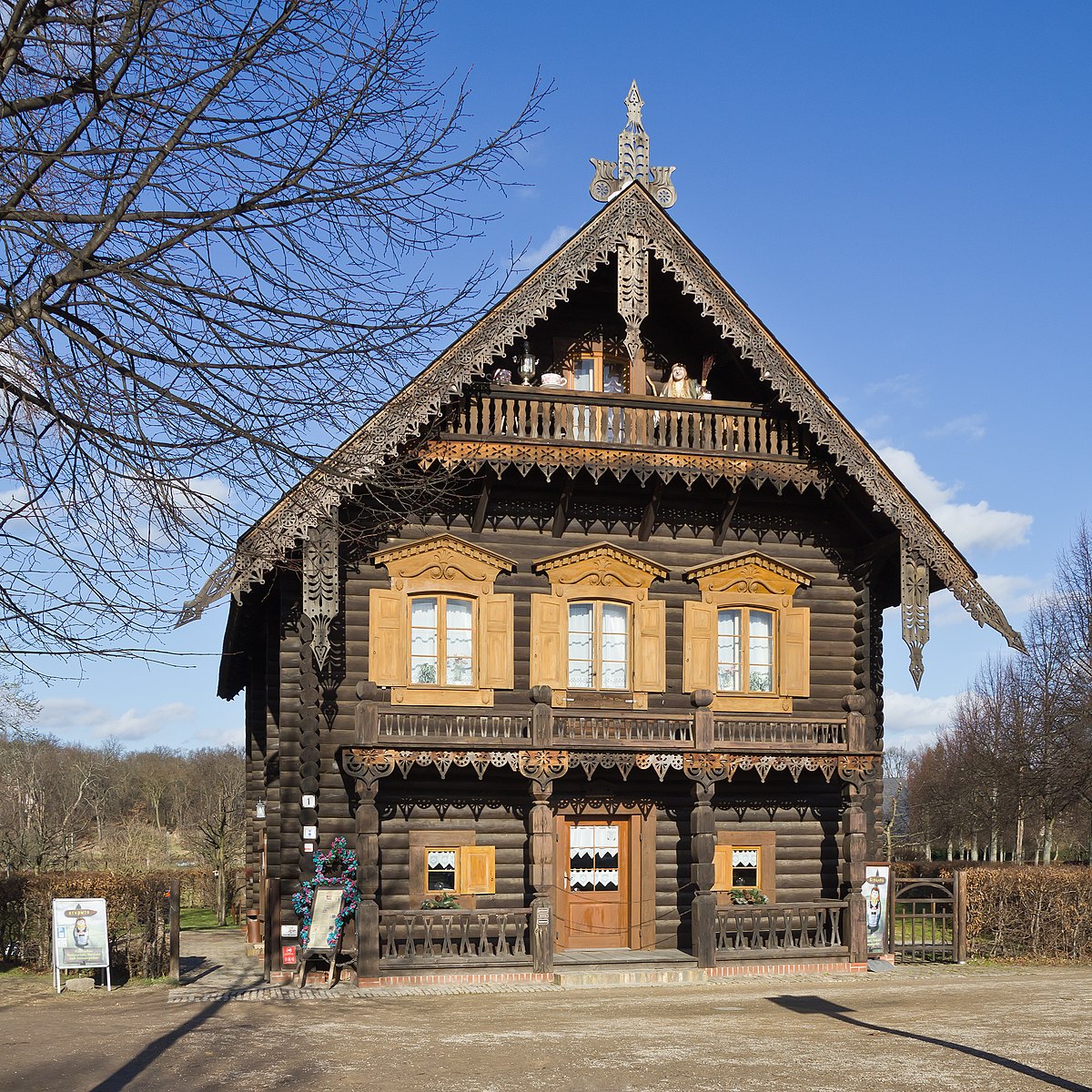
Alexandrowka
📍 Brandenburg, Germany
Located in the picturesque city of Potsdam, Germany, Alexandrowka is an intriguing architectural ensemble that reflects a unique blend of Russian and …

Alte Burg Penzlin
📍 Brandenburg, Germany
Alte Burg Penzlin, a captivating castle located in the quaint town of Penzlin, Germany, serves as a remarkable example of medieval architecture and …

Alte Dorfkirche Röxe
📍 Brandenburg, Germany
The Alte Dorfkirche Röxe stands as a poignant symbol of architectural and cultural history in the Stendal region of Germany. This church building, …
More Museums

Abbey and Altenmünster of Lorsch
📍 Baden-Württemberg, Germany
The Abbey and Altenmünster of Lorsch is a UNESCO World Heritage site located in the charming town of Lorsch, Germany. This significant cultural …
Abenteuermuseum
📍 Rhineland-Palatinate, Germany
The Abenteuermuseum, located in Germany, invites visitors to explore the wonders of adventure through its unique exhibits and engaging experiences. …

Abwasser- und Sielmuseum
📍 Hamburg, Germany
The Abwasser- und Sielmuseum, located in the heart of Hamburg-Mitte, offers a unique glimpse into the city’s historical infrastructure concerning …

Academy of Arts, Berlin
📍 Berlin, Germany
The Academy of Arts in Berlin is not just a museum; it is a prominent national institution dedicated to the advancement of the arts in Germany. …

Ackerbürgermuseum Haus Leck
📍 Hesse, Germany
Ackerbürgermuseum Haus Leck is a culturally significant museum located in Germany’s Grebenstein region, dedicated to preserving and showcasing the …

Active Museum Spiegelgasse
📍 Hesse, Germany
Active Museum Spiegelgasse is a vital institution dedicated to preserving and exploring the German-Jewish history of Wiesbaden, Germany. Located in …