Luthers Church
Overview
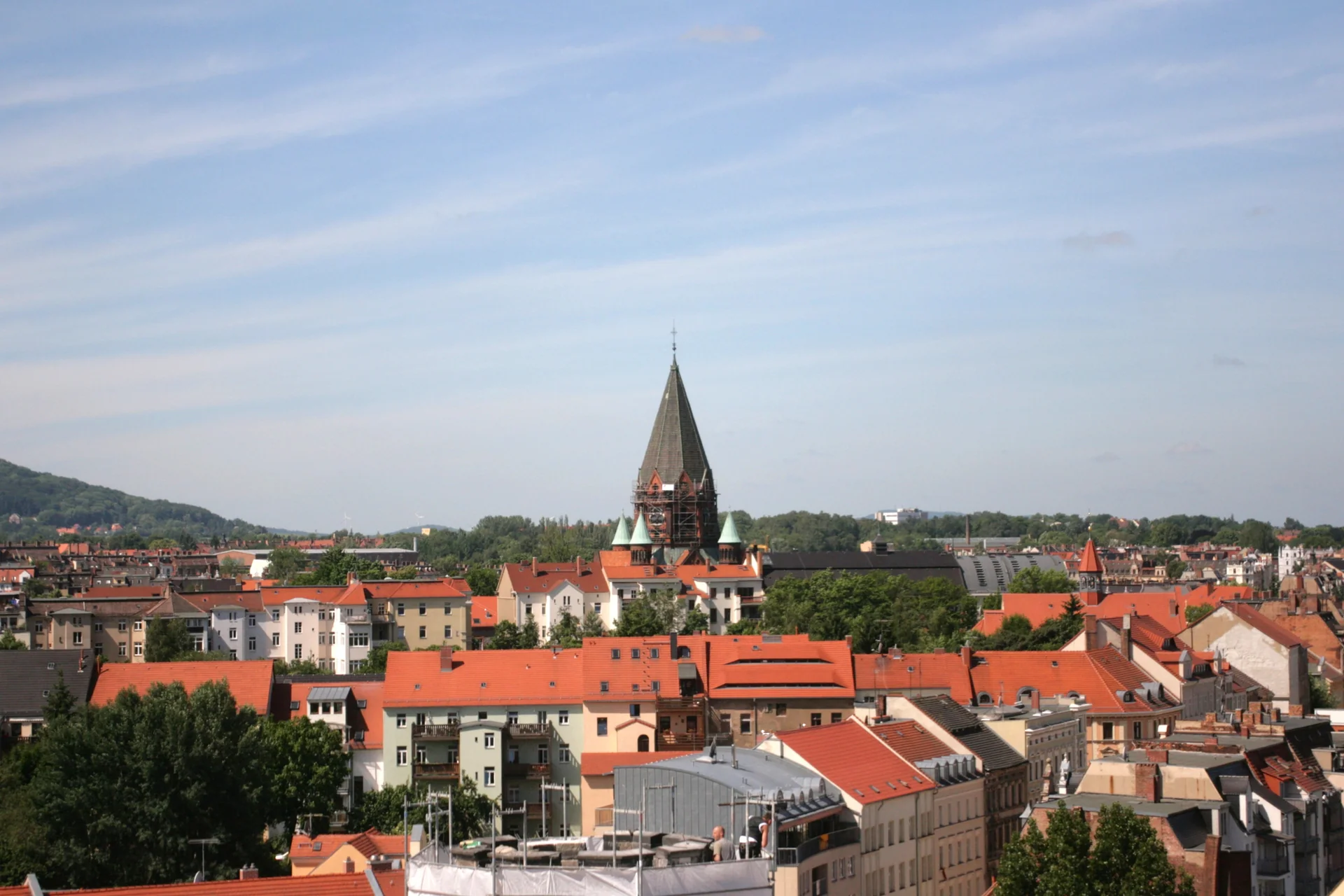
In the heart of Görlitz, Germany, Luther’s Church stands as an impressive example of Romanesque Revival architecture, a style that evokes the grandeur of centuries past. This church, established in 1898, reflects not just the architectural trends of its time but also the significance of Lutheranism in the region. As you approach the church, its solid form commands attention, blending seamlessly with the surrounding landscape and drawing visitors into its historical narrative.
Görlitz itself is a city rich in history, marked by its well-preserved architecture and vibrant cultural scene. The church’s location contributes to its appeal, as it invites exploration of both the sacred space within and the charming streets that lead to it. Here, you’ll discover the unique fusion of architectural beauty and religious heritage that characterizes this site.
Visitors to Luther’s Church can expect to immerse themselves in a serene environment where art, faith, and history converge. Whether you are an architecture enthusiast, a history buff, or simply seeking a peaceful retreat, this church offers an enriching experience that resonates long after you leave.
History and Significance
Founded in 1898, Luther’s Church carries with it the legacy of the Lutheran faith in Germany. Its construction came during a period when many cities were embracing new architectural styles while also reaffirming their religious identities. The church represents a significant development in Görlitz’s religious landscape, serving as a place of worship and community gathering for adherents of Lutheranism.
Over the years, this church has witnessed various transformations reflective of societal changes and evolving religious practices. It stands as a testament to the enduring nature of faith and community in Görlitz. The architectural style of the church not only showcases the aesthetic preferences of its time but also highlights the importance of Lutheranism in shaping the cultural identity of this region.
While Luther’s Church may not be recognized by UNESCO, its historical significance within Görlitz and its role in the Lutheran tradition make it an important site for both locals and visitors alike.
Architecture and Features
Luther’s Church is an exemplary model of Romanesque Revival architecture, characterized by its robust forms and intricate detailing. The design reflects a harmonious blend of traditional elements with a revivalist spirit that was prevalent at the time of its construction.
Visitors will notice the church’s strong structural features, which include rounded arches and sturdy columns that evoke a sense of permanence and stability. This architectural style often incorporates decorative elements such as carved stonework and elaborate facades that reflect both craftsmanship and artistic intent.
As you explore the church, take note of the various features that enhance its interior ambiance. The design aims to create a welcoming environment for worshippers, combining functionality with aesthetic appeal. The overall atmosphere invites contemplation and reverence, making it an ideal setting for spiritual gatherings.
Visiting Information
Getting to Luther’s Church is relatively straightforward. Visitors can utilize public transportation options available in Görlitz or travel by car to reach this central location. The surrounding area is well-connected, making it easy to incorporate a visit to the church into a broader exploration of Görlitz.
Hours: Check the official website for current opening hours.
Prices: Visit the official website for current admission prices.
During your visit, expect a tranquil atmosphere where you can take your time exploring both the interior and exterior of the church. Many visitors find that spending about one to two hours allows them ample time to appreciate the architecture and reflect on its historical significance.
The best times to visit are typically in the morning or during the spring and fall months when crowds are fewer, and the weather is pleasant. Accessibility options are available; however, it’s advisable to contact the site directly for the latest information regarding specific needs.
Nearby Attractions
While in Görlitz, consider exploring these nearby attractions that complement your visit to Luther’s Church:
Görlitz Old Town: A stroll through this historic area reveals a wealth of architectural wonders, from Gothic to Renaissance styles, all contributing to Görlitz’s charm.
St. Peter and Paul Church: Another notable religious site nearby, offering stunning views and a rich history dating back centuries.
Görlitz City Park: A lovely green space perfect for relaxation or a leisurely walk after visiting the church.
The Silesian Museum: Located within walking distance, this museum provides insights into the cultural heritage of Silesia through various exhibitions.
Schlesisches Museum zu Görlitz: Explore artifacts and exhibits that highlight the region’s history and cultural diversity.
Insider Tips
For photography enthusiasts, early morning light creates beautiful opportunities to capture Luther’s Church against a serene backdrop. The best angles are often from across the square, where you can frame both the church and the surrounding area.
Look closely at some of the smaller details on the church’s facade—these often go unnoticed but reveal much about its craftsmanship and design philosophy.
To avoid crowds, plan your visit during weekdays or off-peak seasons. Engaging with local residents can also provide insights into lesser-known aspects of the church and its history that might not be covered in traditional tours.
Practical Information
When planning your visit to Luther’s Church, consider bringing along any essentials you might need for a comfortable experience. Comfortable walking shoes are advisable due to potential uneven surfaces around the church grounds.
Seasonal considerations should also be taken into account; warmer clothing may be necessary during winter months, while spring and fall often provide mild temperatures suitable for exploration.
Consolidating all visitor details: Check hours on their official website, confirm admission prices ahead of time, and plan your journey using local transport options for convenience.
Frequently Asked Questions
How long should I spend visiting?
You should plan to spend about one to two hours at Luther’s Church to fully appreciate its architecture and history.
Is photography allowed inside?
Photography policies can vary; it’s best to check directly with the site regarding any restrictions on taking photos inside the church.
Are there guided tours available?
Check with Luther’s Church directly for information on whether guided tours are available during your visit.
What’s the best time of day to visit?
Visiting in the morning often allows for fewer crowds and better lighting for photography.
Is the site wheelchair accessible?
Accessibility options may be available; contact the site directly for specific details regarding wheelchair access.
Can I buy tickets online?
For ticket purchasing options, check the official website for details on online ticket sales or admission procedures.
Are there facilities like restrooms and cafes?
It’s advisable to confirm with Luther’s Church regarding available visitor facilities before your visit.
What should I wear when visiting?
Dress comfortably while considering respectful attire suitable for a place of worship.
Photo Gallery


More in Saxony
Anne’s Church
📍 Saxony
In the heart of Dresden, Germany, Anne’s Church stands as a magnificent example of Baroque architecture, captivating visitors with its elegant design an...
Auferstehungskirche (Dresden)
📍 Saxony
Dresden’s Auferstehungskirche, a stunning example of Renaissance Revival architecture, stands tall at 49 meters, inviting visitors into its historical e...
Brüderkirche
📍 Saxony
In the heart of Altenburg, Germany, stands the Brüderkirche, a striking example of Gothic Revival architecture. This church, with its intricate brickwor...
Castle Church Lockwitz
📍 Saxony
Castle Church Lockwitz, a distinguished Protestant church located in the heart of Dresden, Saxony, captures the essence of baroque architecture. This ch...