Overview
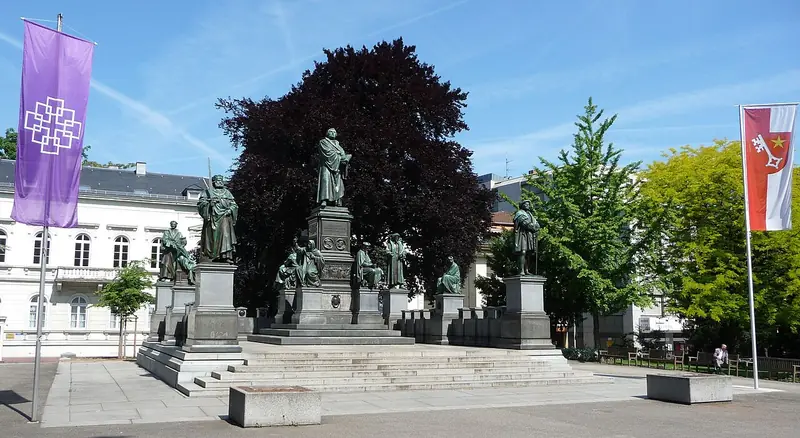
The Luther Monument in Worms, Germany, stands as an enduring symbol of one of the most pivotal moments in European history: the Reformation. This large group monument honors the theologian Martin Luther, whose actions in the early 16th century sparked a movement that would change the course of Christianity. Located in the historic city of Worms, the monument not only commemorates Luther’s significant contributions to religious reform but also serves as a reminder of the ideological conflicts that shaped modern Europe.
Worms itself is steeped in historical significance, situated along the banks of the Rhine River. This city has been a focal point for various cultural and political developments throughout the centuries, making it a fitting location for such an important monument. Visitors to the Luther Monument can expect to engage with the rich narrative of the Reformation and reflect on Luther’s legacy, which continues to influence religious thought and practice today.
As you approach the monument, prepare to be captivated by its grandeur and the stories that surround it. This guide will navigate you through the historical context, architectural features, and practical information for visiting one of Germany’s most significant memorials.
History and Significance
The Luther Monument in Worms was established to honor Martin Luther’s stand during the 1521 Diet of Worms, where he famously defended his beliefs before the Holy Roman Emperor Charles V. This moment marked a crucial turning point in the Reformation, as Luther refused to recant his writings that challenged the Catholic Church’s teachings. His courageous stance is often seen as a catalyst for the Protestant Reformation, inspiring countless others to question established doctrines and seek reform within the Church.
The monument itself has become a powerful symbol of religious freedom and the quest for truth, resonating not only within Germany but also across the globe. Luther’s writings and teachings laid the groundwork for various Protestant denominations, making him a central figure in the history of Christianity. The monument in Worms, therefore, serves not just as a memorial but as a reminder of the enduring impact of Luther’s reformative ideas.
As the monument has often been replicated in various forms throughout the world, it highlights the universal appeal of Luther’s message. The significance of this site transcends national borders, representing a broader struggle for religious and intellectual liberty that continues to be relevant in contemporary society.
Architecture and Features
The Luther Monument is a striking example of neoclassical design, characterized by its imposing granite structure and detailed sculptures. The monument features a large central statue of Martin Luther, depicted in a thoughtful pose, symbolizing his role as a thinker and reformer. Surrounding the statue are figures representing key allies and figures from the Reformation, including Philip Melanchthon and Johannes Bugenhagen, emphasizing the collaborative nature of the movement.
The monument is elevated on a pedestal, allowing visitors to appreciate the intricate carvings and inscriptions that adorn its base. These inscriptions include quotes from Luther’s writings, encapsulating his thoughts on faith, salvation, and the role of the Church. The overall design reflects the ideals of the Reformation and the significance of individual conviction in the pursuit of religious truth.
The expansive area around the monument offers space for reflection, with paths that invite visitors to explore the historical context of the site. The thoughtful landscaping enhances the monument’s presence, making it a serene spot for contemplation amidst the bustling city.
Visiting Information
Visiting the Luther Monument in Worms is a rewarding experience for anyone interested in history, theology, or architecture. The site is accessible by various modes of transportation, including public transport options that connect to the city center. Parking facilities are available nearby for those arriving by car.
Check the official website for current information regarding opening hours and any potential entrance fees, as these can vary based on the season or special events. Visitors typically spend around one to two hours at the monument, allowing ample time to appreciate the architecture and reflect on Luther’s profound influence.
The best times to visit are during the spring and early autumn, when the weather is pleasant, and the surrounding area is alive with local activities. Early mornings or weekdays may offer a quieter experience, allowing for a more personal connection with the monument.
Nearby Attractions
Worms Cathedral (Wormser Dom): A stunning example of Romanesque architecture, this cathedral is a short walk from the monument and offers a glimpse into the city’s rich ecclesiastical history.
Nibelungen Museum: Delve into the legends of the Nibelungenlied, a cornerstone of German literature, at this engaging museum that explores the mythological and historical aspects of the tale.
Jewish Cemetery: One of the oldest Jewish cemeteries in Europe, this site offers insights into the Jewish community’s history in Worms, with gravestones dating back to the 11th century.
Luther’s House: This historical building provides an intimate look at Luther’s life, showcasing artifacts and documents related to his work and the Reformation.
The Rhine River Promenade: A scenic area for leisurely strolls and relaxation, the promenade offers picturesque views of the Rhine and is perfect for unwinding after a day of exploration.
Insider Tips
For those hoping to capture the essence of the Luther Monument through photography, consider visiting during the golden hours—early morning or late afternoon—when the light casts a warm glow on the monument’s surfaces. This lighting can enhance the textures of the granite and highlight the details of the sculptures.
To avoid crowds, plan your visit during weekdays or in the off-peak season. Early morning visits typically see fewer tourists, allowing for a more peaceful experience while you explore the monument and its surroundings.
Practical Information
When planning your visit to the Luther Monument, it’s advisable to wear comfortable shoes, as you may wish to explore the surrounding area on foot. Bring along water and snacks, especially if you plan to spend an extended period at the monument or nearby attractions.
Seasonal considerations should also be taken into account; spring and early autumn offer mild weather, while winter can be quite cold. Be sure to check the forecast before your visit, as conditions can vary significantly in Germany.
Frequently Asked Questions
How long should I spend visiting?
Visitors typically spend around one to two hours at the monument, depending on their interest in exploring the surrounding area.
Is photography allowed?
Yes, photography is permitted at the monument, making it a great opportunity to capture the remarkable architecture and sculptures.
Are there guided tours?
While specific guided tours may not be available for the monument itself, local tourist information centers can provide details on guided tours of Worms that include the monument.
What’s the best time to visit?
The best times to visit are during the spring and early autumn for pleasant weather and fewer crowds.
Is it wheelchair accessible?
The monument area is generally accessible, but it’s advisable to check specific details regarding accessibility options on the official website.
Can I buy tickets online?
Check the official website for current information regarding ticket purchasing options.
Are there restrooms and cafes?
Facilities may be available nearby, but it’s best to check the official website for specific details.
What should I wear?
Comfortable clothing and shoes are recommended, especially if you plan to explore the surrounding area. Consider the seasonal weather when choosing your attire.



