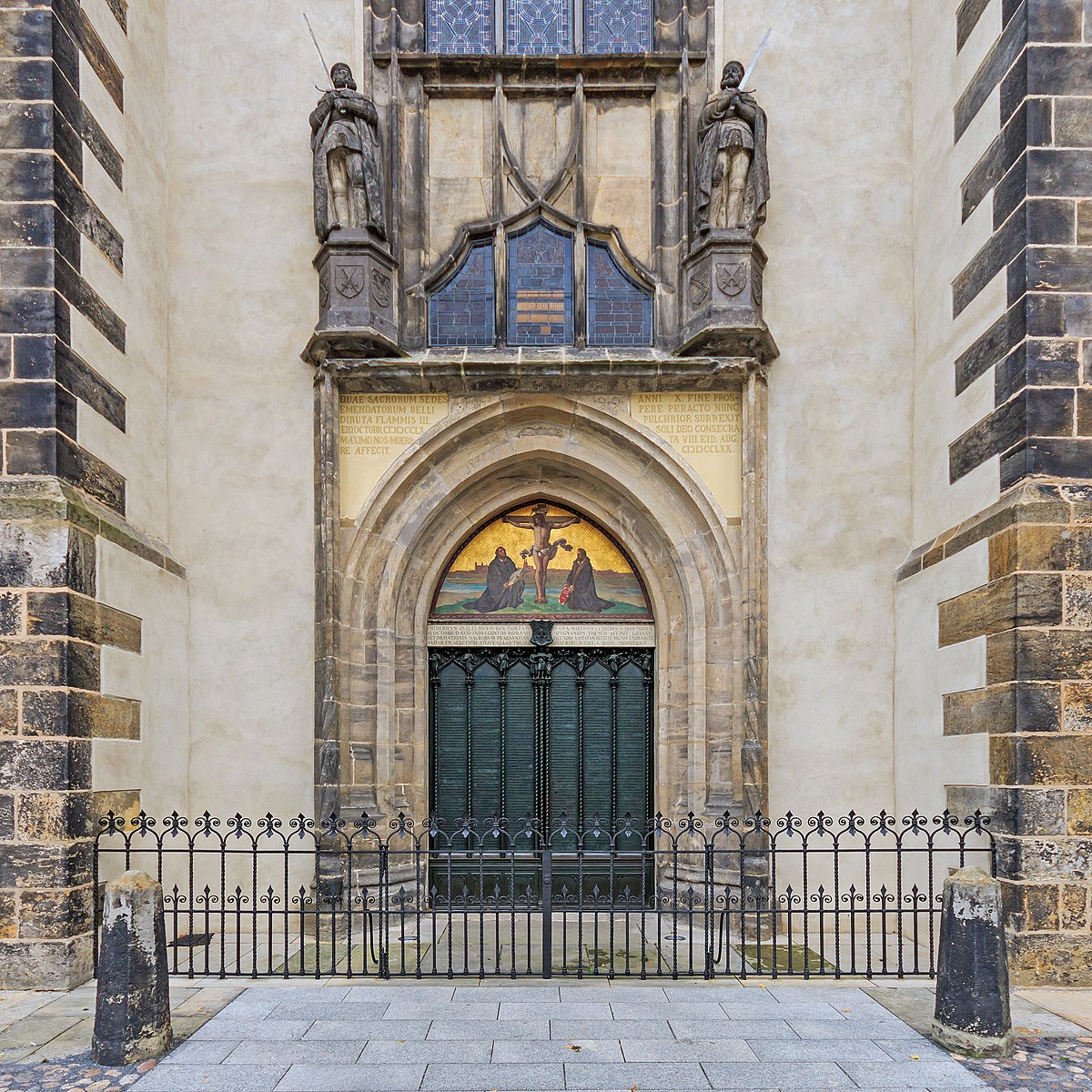
Luther Memorials in Eisleben and Wittenberg
Overview
The Luther Memorials in Eisleben and Wittenberg represent a critical chapter in the history of Christianity and Western thought. Located in the heart of Germany, these sites commemorate the life and work of Martin Luther, the pivotal figure of the Protestant Reformation. The collection of structures encompasses significant locations tied to Luther’s life, including his birthplace in Eisleben and the famous Castle Church in Wittenberg, where he famously nailed his Ninety-Five Theses. These sites not only reflect the architectural styles of their times but also encapsulate the profound social, cultural, and religious transformations that emerged during the Reformation. Visiting these memorials offers a unique opportunity to connect with the ideals that shaped modern Christianity and to appreciate the enduring legacy of one of history’s most influential figures.
History and Significance
The significance of the Luther Memorials is deeply rooted in the events of the 16th century, a period marked by profound religious upheaval. Martin Luther, born in Eisleben, challenged the practices of the Catholic Church, advocating for reforms that emphasized faith and scripture over tradition and clerical authority. His posting of the Ninety-Five Theses in Wittenberg in 1517 is often cited as the catalyst for the Reformation, leading to the establishment of Protestant denominations and altering the religious landscape of Europe.
The memorials in Eisleben and Wittenberg were designated as UNESCO World Heritage Sites to acknowledge their cultural importance and their role in the development of religious thought and practice. The sites are not merely historical markers; they embody the spirit of inquiry and reform that Luther championed. They serve as places of pilgrimage for those seeking to understand the Reformation’s impact on religion, society, and culture.
The memorials also reflect the evolution of Luther’s legacy over the centuries. As Protestantism spread, these sites became focal points for religious gatherings, educational pursuits, and cultural celebrations, illustrating Luther’s continuing influence in contemporary society. Visitors can explore how Luther’s ideas have been interpreted and transformed through the ages, making these sites significant not only for their historical context but also for their ongoing relevance in discussions about faith, governance, and personal belief.
Architecture and Features
The Luther Memorials encompass a variety of structures, each with distinct architectural elements that reflect their historical contexts. In Eisleben, the Luther Birth House stands as a prime example of the early Renaissance style, showcasing the town’s architectural heritage. The building features a simple yet elegant façade, with traditional timber framing that was common in the region during Luther’s time. Inside, visitors can explore exhibits detailing Luther’s early life and the sociopolitical landscape of 16th-century Germany.
Wittenberg is home to several notable sites, including the Castle Church, where Luther famously posted his theses. The church, constructed in a Gothic style, is characterized by its impressive spire and intricate stone carvings. The interior is adorned with beautiful stained glass and features a stunning altar that draws visitors’ attention. The church also houses the tomb of Martin Luther, a solemn reminder of his lasting legacy.
Another significant site in Wittenberg is the Melanchthon House, a well-preserved example of a late Renaissance building. It served as the residence of Philip Melanchthon, a close associate of Luther and a key figure in the Reformation. The house now functions as a museum, offering insights into the lives of the reformers and the intellectual currents of their time.
Together, these structures form a cohesive narrative of the Reformation era, illustrating the architectural trends and cultural values of the 16th century while inviting visitors to understand the lasting impact of Luther’s work.
Visiting Information
When planning your visit to the Luther Memorials in Eisleben and Wittenberg, it is essential to consider transportation options. Both towns are well-connected by rail and road, making them easily accessible from major German cities. Upon arrival, visitors can expect a variety of guided tours available, which provide in-depth insights into the significance of each site.
To fully appreciate the memorials, allocate at least half a day to explore the various locations. While the sites can be visited individually, a combined tour allows for a deeper understanding of Luther’s life and the Reformation. It is advisable to check the official website for current information on hours and prices, as they may vary seasonally.
The best times to visit are during the spring and early autumn months when the weather is pleasant for walking tours. Additionally, these seasons tend to attract fewer crowds than the summer months, allowing for a more intimate experience at the memorials.
Nearby Attractions
While visiting the Luther Memorials, consider exploring other nearby attractions that enhance the understanding of the Reformation and the cultural heritage of the region:
The Wittenberg Market Square: Surrounded by historical buildings, this lively square hosts various events and is an excellent place to enjoy local cuisine.
St. Mary’s Church (Marienkirche): A Gothic church in Wittenberg where Luther preached and which features significant artwork from the Reformation period.
The Luther Garden: A beautiful park in Wittenberg dedicated to the Reformation, featuring trees planted by representatives of various Protestant churches from around the world.
The Cranach Courtyard: A charming area in Wittenberg that highlights the work of Lucas Cranach the Elder, an artist closely associated with Luther’s circle.
The Luther House Museum: A former residence of Luther that has been converted into a museum showcasing his life and the Reformation’s impact.
Insider Tips
When visiting the Luther Memorials, photography opportunities abound, especially in Wittenberg’s Castle Church and the picturesque Market Square. Early mornings or late afternoons are ideal for capturing the sites in softer light and avoiding larger crowds.
To enhance your experience, consider timing your visit during special events or commemorations related to the Reformation, which often include lectures, concerts, and exhibitions. These events provide additional context and enrich the understanding of Luther’s legacy.
Practical Information
When visiting the Luther Memorials, comfortable footwear is advisable, as you will likely be walking between sites. Additionally, bringing a refillable water bottle can be useful, as you may spend several hours exploring.
Seasonal considerations include dress; during winter months, be prepared for colder weather, while summer can bring warmer temperatures. Always check the official website for current information on events, hours, and any potential restrictions related to your visit.
Frequently Asked Questions
How long should I spend visiting?
A visit typically requires at least half a day to explore the key sites in both Eisleben and Wittenberg.
Is photography allowed?
Photography is generally permitted in most areas, but it’s advisable to check for any signs indicating restrictions, particularly in places of worship.
Are there guided tours?
Yes, guided tours are available and provide valuable insights into the history and significance of the memorials.
What’s the best time to visit?
Spring and early autumn are recommended for pleasant weather and fewer crowds.
Is it wheelchair accessible?
Many sites are accessible, but some may have limitations. It is best to check the official website for specific accessibility information.
Can I buy tickets online?
Check the official website for current information regarding ticket purchasing options.
Are there restrooms and cafes?
Restrooms are typically available at major sites, and cafes can be found nearby, especially in Wittenberg.
What should I wear?
Dress comfortably and weather-appropriately, considering that you may spend extended periods outdoors.
Location
More in Brandenburg
Agnetenkloster
📍 Brandenburg, Germany
Agnetenkloster, a former monastery located in the heart of Magdeburg, Germany, invites visitors to explore its serene ambiance and historical …

Agroneum
📍 Brandenburg, Germany
Agroneum is a museum located in the serene landscape of Alt Schwerin, Germany. This establishment serves as a vibrant hub for those interested in the …

Alexander Nevsky Memorial Church
📍 Brandenburg, Germany
The Alexander Nevsky Memorial Church in Potsdam, Germany, offers visitors a unique glimpse into the city’s cultural and religious heritage. This …
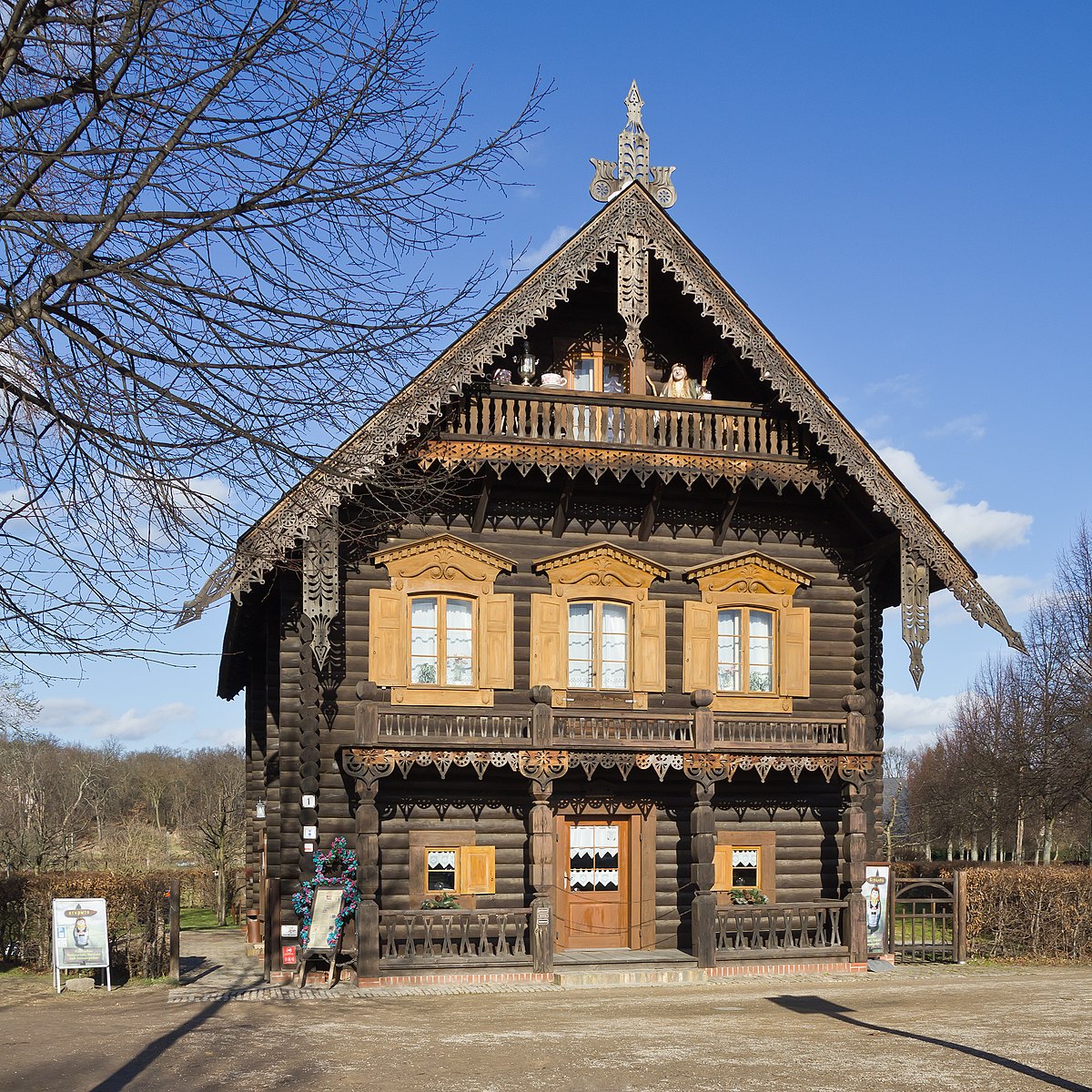
Alexandrowka
📍 Brandenburg, Germany
Located in the picturesque city of Potsdam, Germany, Alexandrowka is an intriguing architectural ensemble that reflects a unique blend of Russian and …

Alte Burg Penzlin
📍 Brandenburg, Germany
Alte Burg Penzlin, a captivating castle located in the quaint town of Penzlin, Germany, serves as a remarkable example of medieval architecture and …

Alte Dorfkirche Röxe
📍 Brandenburg, Germany
The Alte Dorfkirche Röxe stands as a poignant symbol of architectural and cultural history in the Stendal region of Germany. This church building, …
More Group Of Structures Or Buildings

Bauhaus and its Sites in Weimar, Dessau and Bernau
📍 Saxony-Anhalt, Germany
The Bauhaus and its Sites in Weimar, Dessau, and Bernau represent a revolutionary chapter in the history of architecture and design. This UNESCO World …

Collegiate Church, Castle, and Old Town of Quedlinburg
📍 Lower Saxony, Germany
The Collegiate Church, Castle, and Old Town of Quedlinburg represent an extraordinary blend of medieval architecture and rich cultural heritage, …

The Architectural Work of Le Corbusier
📍 Germany
The Architectural Work of Le Corbusier is a remarkable collection that spans seven countries, showcasing the innovative genius of one of the 20th …

The Palaces of King Ludwig II of Bavaria: Neuschwanstein, Linderhof, Schachen and Herrenchiemsee
📍 Bavaria, Germany
The Palaces of King Ludwig II of Bavaria represent the pinnacle of 19th-century Romantic architecture and are a significant cultural landmark in …

Water Management System of Augsburg
📍 Bavaria, Germany
The Water Management System of Augsburg stands as a remarkable achievement of engineering, demonstrating innovative approaches to water resource …