Overview
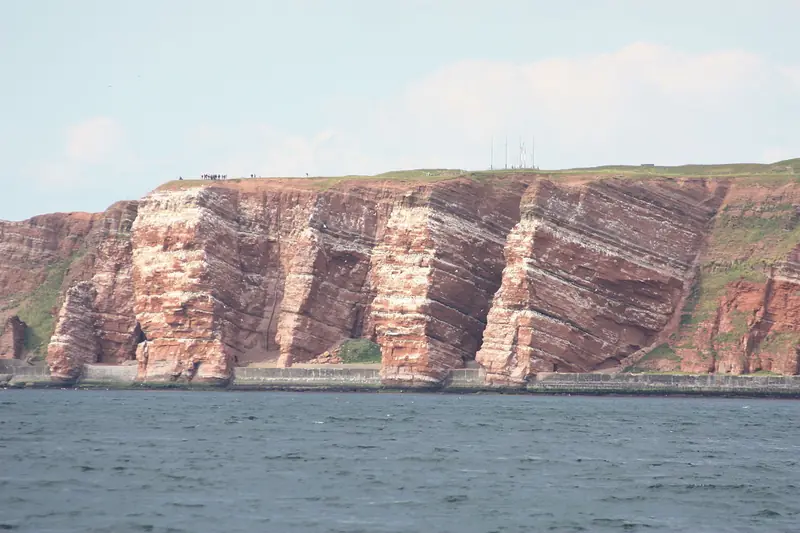
Lummenfelsen der Insel Helgoland, a prominent nature reserve located in Schleswig-Holstein, Germany, is a spectacular site that draws visitors with its unique ecological features and stunning natural landscapes. Situated at coordinates 54.186505555, 7.873233333, this reserve is a key part of Helgoland, a group of islands in the North Sea that is known for its striking cliffs and rich biodiversity. The reserve is significant not just for its natural beauty but also for the wildlife that inhabits the area, particularly seabirds that find sanctuary in its rugged terrain.
The Lummenfelsen serves as a critical habitat for various bird species and is a vital area for conservation efforts. The combination of towering cliffs and the surrounding sea creates a dynamic environment that is both vibrant and serene. Visitors can expect to experience a unique blend of coastal ecosystems, making the reserve a perfect destination for nature lovers, bird watchers, and anyone looking to explore the natural beauty of Germany’s coastal regions.
In this guide, we will explore the history and significance of Lummenfelsen, its notable features, and essential information for those wishing to visit this remarkable site.
History and Significance
The Lummenfelsen has long been recognized for its ecological importance. As a nature reserve, it reflects the ongoing efforts to protect and preserve the unique flora and fauna of the region. The cliffs, which rise dramatically from the North Sea, have been a significant landmark for centuries. Their sheer faces provide nesting sites for various seabirds, including guillemots and razorbills. The conservation of such habitats is crucial, as these bird populations face threats from environmental changes and human activities.
In more recent times, the area has gained attention not only for its wildlife but also for the scientific research conducted there. Studies related to marine biology and coastal ecology are frequently undertaken, contributing to the broader understanding of coastal environments. This research is vital for informing conservation strategies and promoting sustainable tourism practices.
The cultural significance of Lummenfelsen extends beyond ecological concerns. The cliffs have inspired artists and writers throughout history, who have been captivated by the dramatic scenery and the interplay of light and sea. The island of Helgoland, of which Lummenfelsen is a part, has also played a role in maritime history, serving as a strategic location in various naval conflicts and trade routes.
As part of Germany’s commitment to environmental preservation, the Lummenfelsen is a protected area that highlights the importance of safeguarding natural landscapes. Visitors to the reserve are not only able to enjoy its beauty but also contribute to the awareness and preservation of this vital ecosystem.
Architecture and Features
Lummenfelsen is characterized by its towering cliffs that rise sharply from the North Sea, creating a dramatic backdrop against the horizon. The natural architecture of the cliffs is a result of centuries of erosion and geological processes, resulting in unique formations that are both captivating and educational. The cliffs themselves are primarily composed of sandstone, which has weathered over time to create striking shapes and overhangs.
One of the most notable features of Lummenfelsen is the diverse bird population that inhabits the area. The cliffs provide essential nesting sites, and during the breeding season, visitors can observe a flurry of activity as adult birds care for their young. The reserve is particularly famous for its guillemot colonies, which can be seen perched precariously along the cliff edges.
In addition to its avian inhabitants, the surrounding marine environment is teeming with life. The waters around Helgoland are home to a variety of marine species, making it a popular spot for nature enthusiasts and researchers alike. The interplay between the cliffs and the sea creates a dynamic habitat that supports a rich biodiversity.
While specific architectural elements are not present, the natural features of Lummenfelsen itself serve as a testament to the power of nature. The reserve encourages visitors to appreciate the natural world and understand the importance of conservation efforts aimed at protecting such vital ecosystems.
Visiting Information
Visiting Lummenfelsen der Insel Helgoland is an enriching experience that allows visitors to immerse themselves in a unique natural environment. To reach the reserve, travelers typically start from the mainland of Germany, taking a ferry or boat service to Helgoland. This journey not only provides access to the reserve but also offers scenic views of the surrounding sea.
Check the official website for current information regarding hours of operation and any potential entry fees. The best times to visit the Lummenfelsen are during the spring and summer months when bird activity is at its peak, and the weather is generally milder. The reserve is open year-round, but seasonal considerations may affect accessibility and visibility of wildlife.
Visitors can expect a range of experiences while at the reserve. Walking trails provide opportunities for leisurely exploration, and birdwatching spots are available for those keen on observing the diverse avian population. While a full day may be sufficient to enjoy the highlights of the reserve, nature enthusiasts might choose to spend more time to fully appreciate the surroundings.
Facilities within the reserve are limited, so it’s advisable to plan accordingly. Bring along water, snacks, and sun protection, especially during warmer months. Be prepared for changing weather conditions, as coastal environments can be unpredictable.
Nearby Attractions
Lummenfelsen is not only an attraction in its own right but is also conveniently located near several other sites of interest:
Helgoland Island: The island itself is worth exploring, with its charming town, unique red sandstone cliffs, and a variety of shops and cafes. Visitors can wander through the quaint streets and learn more about the island’s history.
Düne Island: A short ferry ride from Helgoland, Düne is known for its beautiful sandy beaches and is an ideal spot for relaxation and sunbathing. It’s also a great place for birdwatching and enjoying marine life.
Marine Research Station: Located on Helgoland, this station often welcomes visitors interested in marine biology and conservation efforts. Check for any open days or educational tours available.
Historical Sites: Given Helgoland’s significant maritime history, there are various historical landmarks to explore, including remnants of fortifications and informative displays about its strategic importance in naval history.
Diving and Snorkeling: The waters around Helgoland are also popular for diving and snorkeling, offering opportunities to see marine life up close. Local shops provide equipment rentals and guided tours for those interested.
Insider Tips
When planning a visit to Lummenfelsen, consider these insider tips to enhance your experience:
Photography: The cliffs and wildlife present excellent photography opportunities. Early morning or late afternoon light can provide the best conditions for capturing stunning images. Be prepared for varying light conditions and have a good zoom lens if you wish to capture birds in detail.
Crowd Avoidance: To enjoy a quieter experience, aim to visit during weekdays or early in the morning. The reserve can become busier on weekends and holidays, especially during peak tourist seasons.
Guided Tours: If you are interested in gaining deeper insights into the ecology and history of the area, consider joining a guided tour. This can provide a more informative experience and help you discover aspects of the reserve that you might otherwise miss.
Practical Information
When planning a trip to Lummenfelsen, keep the following practical information in mind:
What to Bring: Essentials include comfortable walking shoes, water, snacks, sunscreen, and a hat. Binoculars can enhance your birdwatching experience as well.
Seasonal Considerations: Spring and summer are ideal for birdwatching, while fall can offer a quieter experience. Winter visits may present harsher weather conditions, and some paths may be less accessible.
Weather Readiness: The coastal climate can change rapidly, so it’s wise to prepare for both sun and rain. Dressing in layers can help you adjust to changing temperatures throughout the day.
Frequently Asked Questions
How long should I spend visiting?
A visit to Lummenfelsen can take anywhere from a few hours to a full day, depending on your interest in birdwatching and exploration.
Is photography allowed?
Yes, photography is allowed, but be mindful of the wildlife and maintain a respectful distance from the birds.
Are there guided tours?
Check for local tour operators that may offer guided experiences focused on the ecology and history of the reserve.
What’s the best time to visit?
The best time to visit is during the spring and summer months when bird activity is at its highest.
Is it wheelchair accessible?
Access may be limited due to the natural terrain. Check the official website for detailed accessibility information.
Can I buy tickets online?
Check the official website for current information regarding ticket purchases and entry fees.
Are there restrooms and cafes?
Facilities within the reserve are limited, so plan accordingly. Nearby Helgoland does offer dining options.
What should I wear?
Dress in layers and wear comfortable walking shoes, as the coastal weather can be unpredictable and trails may vary in difficulty.
Lummenfelsen der Insel Helgoland promises a memorable encounter with nature, making it a must-visit for anyone interested in the natural and cultural heritage of Germany.