Overview
Luisenfriedhof III, a historic cemetery in Berlin, Germany, serves as both a final resting place and a poignant reminder of the city’s diverse cultural heritage. Established as part of a broader trend in the 19th century to create garden cemeteries that reflected the changing attitudes toward death and memorialization, this site is more than just a burial ground; it is a landscape of memory and artistry. The cemetery is situated at coordinates 52.524741666, 13.277119444, marking it as an important cultural landmark in one of Europe’s most dynamic capitals.
Visitors to Luisenfriedhof III will discover an environment that invites contemplation and reflection, featuring a variety of memorials and graves that celebrate the lives of notable individuals. The cemetery’s tranquil paths and lush greenery provide a serene escape from the bustle of urban life, making it a significant site for both history enthusiasts and those seeking peace. As you explore this space, you’ll find it encapsulates a blend of art, architecture, and historical narratives that together tell the story of Berlin’s past and its people.
History and Significance
Luisenfriedhof III was established during a period of transformation in Berlin, reflecting broader societal changes regarding death and remembrance. The cemetery is one of several that were developed to accommodate the growing population of the city, which necessitated a shift from traditional burial practices to more landscaped memorial parks. This cemetery is named after Queen Luise of Prussia, a beloved figure in German history, which underscores its significance as a site of cultural reverence.
Throughout its existence, Luisenfriedhof III has become the final resting place for many notable individuals, including artists, scholars, and public figures who have contributed to Berlin’s rich cultural fabric. The cemetery not only serves as a place of remembrance but also as a historical archive of the city’s evolution through the decades. As visitors walk its pathways, they can encounter a multitude of artistic gravestones and memorials that reflect various architectural styles, offering insight into the artistic trends and social values of their respective eras.
The cemetery is also recognized for its role in the community, providing a space for mourning and remembrance, with many families returning to honor their ancestors. This ongoing connection to the past enhances the significance of Luisenfriedhof III, as it continues to serve both local residents and visitors seeking to understand Berlin’s complex history.
Architecture and Features
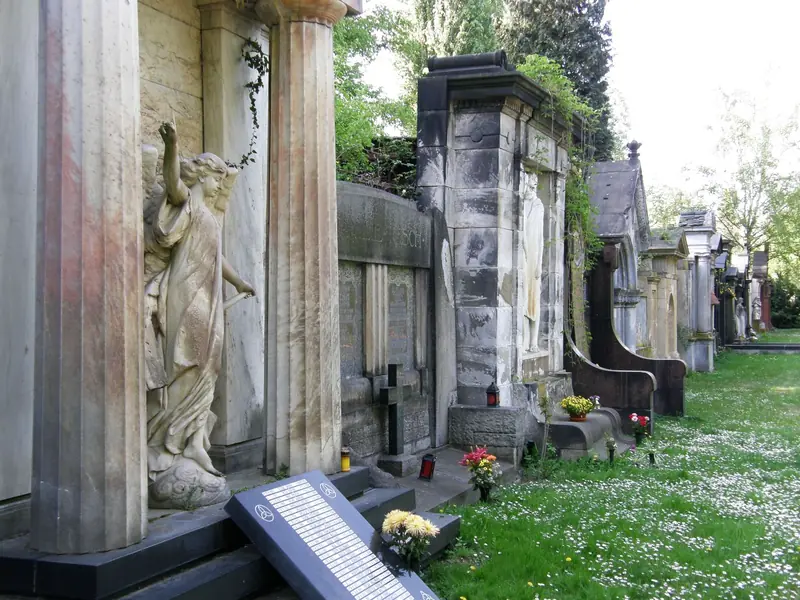
Luisenfriedhof III showcases an array of architectural styles that reflect the changing tastes and technologies across the years. As you wander through the cemetery, you will notice an impressive assortment of tombstones, mausoleums, and memorials, many of which are intricately designed and crafted from various materials such as granite, marble, and bronze.
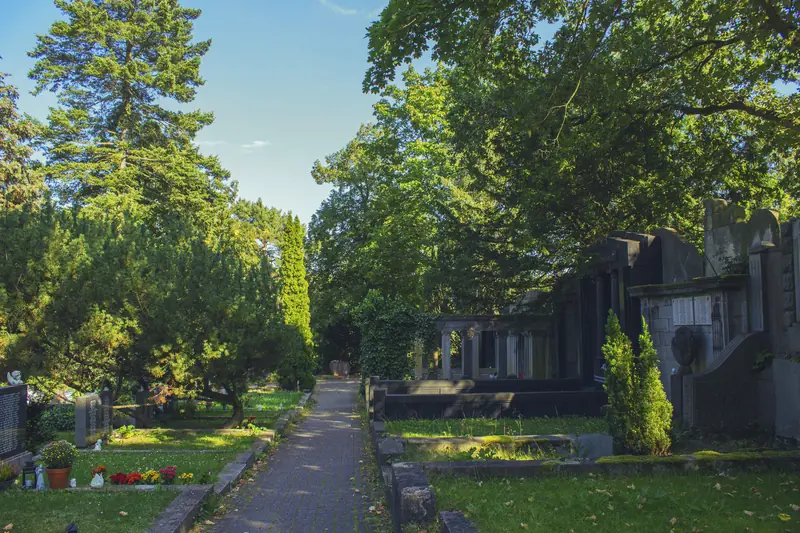
One of the notable features of the cemetery is its landscape design, which incorporates elements of both traditional and modern cemetery design. The layout encourages visitors to engage with their surroundings while providing a contemplative atmosphere. The well-maintained paths are lined with trees, shrubs, and seasonal flowers that enhance the serene environment.
The gravestones often feature symbolic sculptures, such as angels and floral motifs, which speak to the personal stories of the individuals buried there. Some memorials are grand and elaborate, while others are more modest, showcasing the diversity of memorialization practices over the years. This variety not only adds to the cemetery’s aesthetic appeal but also invites reflection on the lives and legacies of those interred.
As you explore the site, you may come across specific areas that have been preserved or restored, ensuring that the heritage of Luisenfriedhof III is maintained for future generations. These features contribute to the cemetery’s status as a significant cultural and historical site in Berlin.
Visiting Information
Visiting Luisenfriedhof III offers a unique opportunity to engage with Berlin’s history in a tranquil setting. To reach the cemetery, various public transport options are available, including local buses and U-Bahn services that connect to nearby stations. The cemetery’s location makes it accessible for both locals and tourists alike.
While planning your visit, check the official website for current information regarding opening hours and any potential entry fees. The cemetery is generally open to the public, and visitors can expect to spend anywhere from one to two hours exploring the grounds, depending on their pace and interest in the memorials.
Ideally, the best times to visit are during the spring and autumn months when the foliage adds a vibrant backdrop to the serene atmosphere. Early mornings or late afternoons can also provide a quieter experience, allowing for peaceful reflection and exploration without the distraction of larger crowds.
As you prepare for your visit, consider bringing along a camera to capture the beauty of the cemetery, as well as a bottle of water for hydration. Comfortable walking shoes are recommended, as the pathways can vary in terrain.
Nearby Attractions
After exploring Luisenfriedhof III, consider visiting these nearby attractions to enrich your Berlin experience:
Botanischer Garten Berlin: This expansive botanical garden features a diverse range of plant species and beautifully landscaped gardens, perfect for leisurely strolls and picnics.
Schöneberg Town Hall: A historic building known for its striking architecture, it played a significant role during the Cold War and offers guided tours to understand its historical context.
Kaiser Wilhelm Memorial Church: This iconic landmark, partially destroyed during World War II, serves as a poignant reminder of the city’s past and features a striking modern church structure alongside the ruins.
Tempelhofer Feld: A former airport turned public park, this vast green space offers recreational opportunities and a glimpse into Berlin’s unique urban transformation.
Café am Engelbecken: A charming café located near the cemetery where visitors can relax and enjoy a meal or drink after their explorations.
Insider Tips
For those looking to capture the essence of Luisenfriedhof III through photography, early mornings or late afternoons provide the best natural light, enhancing the cemetery’s serene beauty. Keep an eye out for interesting angles and the interplay of light and shadow across the memorials and pathways.
To avoid larger crowds, consider visiting during weekdays rather than weekends, as the cemetery can attract more visitors during leisure days. Additionally, be respectful of the site’s somber nature; lower your voice and maintain a demeanor appropriate for a place of remembrance.
Practical Information
When visiting Luisenfriedhof III, it’s advisable to bring a few essentials. Comfortable shoes are a must, as you’ll be walking on varied terrain. A bottle of water is recommended to stay hydrated, particularly during warmer months. If you plan to visit in the spring or summer, consider bringing sunscreen and a hat for sun protection.
Seasonal changes can affect the cemetery’s landscape, so each visit can offer a different experience. Spring blooms and autumn foliage dramatically alter the scenery, presenting unique photo opportunities throughout the year. Keep in mind that the cemetery may have specific guidelines regarding behavior and photography; being respectful of these will enhance your visit.
Frequently Asked Questions
How long should I spend visiting?
A visit typically takes between one to two hours, allowing enough time to explore the grounds and appreciate the memorials.
Is photography allowed?
Yes, photography is permitted, but it is important to be respectful of the site and other visitors.
Are there guided tours?
Currently, there are no official guided tours available. However, exploring the cemetery at your own pace can be an enriching experience.
What’s the best time to visit?
The best times to visit are during the spring and autumn months for pleasant weather and beautiful natural scenery.
Is it wheelchair accessible?
The cemetery is generally accessible, but some pathways may have uneven surfaces. It’s advisable to check ahead for specific accessibility options.
Can I buy tickets online?
Check the official website for current information regarding any entry fees or ticketing options.
Are there restrooms and cafes?
Restroom facilities may not be available on-site. Nearby attractions may offer dining options for refreshments.
What should I wear?
Comfortable clothing and shoes are recommended, particularly if you plan to walk extensively through the cemetery. Dress appropriately for the weather conditions during your visit.
Photo Gallery