Overview
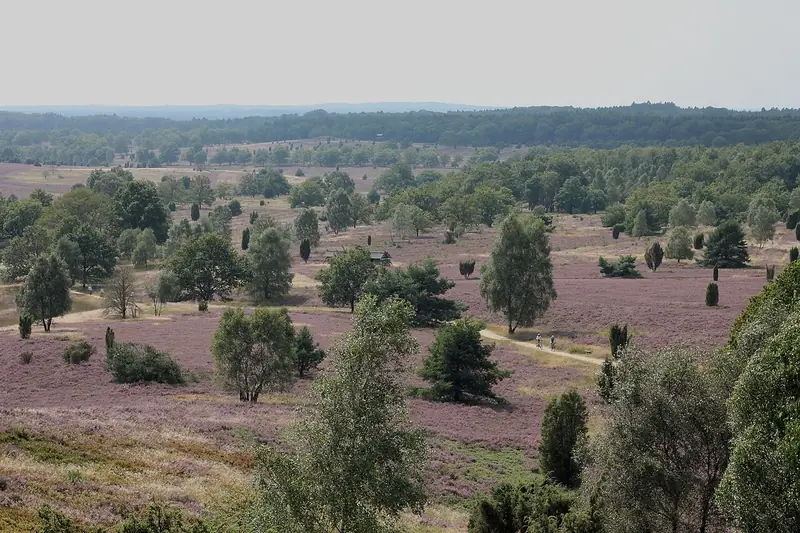
Lüneburger Heide is a remarkable nature reserve located in Lower Saxony, Germany, offering a unique landscape characterized by its heathlands, forests, and picturesque villages. This extensive area is not only a haven for nature lovers but also a significant ecological habitat that supports diverse flora and fauna. The reserve’s striking purple heather blooms in late summer attract visitors from across the globe, making it an essential destination for those seeking tranquility and natural beauty.
This nature reserve is strategically located, easily accessible from major urban centers, allowing for a blend of outdoor adventure and cultural exploration. Lüneburger Heide’s diverse ecosystems provide numerous recreational opportunities, from hiking and cycling to birdwatching and photography. The reserve plays a crucial role in preserving the natural heritage of the region while also serving as a reminder of the area’s historical agricultural practices.
As you explore Lüneburger Heide, you’ll discover a landscape shaped by centuries of human activity, with remnants of ancient farming techniques still visible. The reserve not only captivates with its natural allure but also engages visitors with its stories of the past. Whether you’re seeking an invigorating escape into nature or a peaceful retreat, Lüneburger Heide promises a rewarding experience.
History and Significance
The history of Lüneburger Heide is deeply intertwined with the cultural practices of the region. This vast heathland was cultivated for centuries, primarily for sheep grazing and the harvesting of heather. The traditional management of the heath, including controlled burning and grazing, has shaped the landscape we see today. These practices not only maintained the health of the ecosystem but also fostered a unique cultural identity among the local communities.
The importance of Lüneburger Heide extends beyond its ecological value; it has also served as a vital resource for the surrounding areas. The heather was historically used for thatching roofs, while the area’s woodlands provided timber and fuel. This interplay between nature and human activity has created a landscape of historical significance and cultural richness.
In contemporary times, Lüneburger Heide serves as a natural sanctuary, promoting biodiversity and acting as a critical habitat for various species, including birds, insects, and rare plants. The reserve’s commitment to conservation reflects a broader movement towards sustainability and environmental stewardship, ensuring that the beauty and integrity of this landscape are preserved for future generations.
Architecture and Features
Lüneburger Heide is distinguished by its stunning natural features, which include various ecosystems such as heathlands, forests, and wetlands. The heathlands, with their vibrant purple heather in bloom from July to September, create a striking visual landscape that changes with the seasons. The scenic expanses of heath are interspersed with dense woodlands and patches of grassland, offering diverse habitats for wildlife.
Among the notable features of the reserve are its traditional thatched-roof houses, which dot the landscape and reflect the local architectural style. These structures are often found in the quaint villages surrounding the heath, providing insight into the region’s agricultural heritage. The interplay between the built environment and the natural landscape enhances the charm of Lüneburger Heide.
Visitors can also explore several well-marked trails that wind through the reserve, allowing for an immersive experience in its natural beauty. The paths are accessible for both casual walkers and more experienced hikers, catering to a range of abilities and preferences. As you traverse these trails, keep an eye out for the diverse wildlife that inhabits the area, including various bird species and other fauna.
Visiting Information
Lüneburger Heide is well-connected by public transport, making it accessible for visitors traveling from nearby cities. Check the official website for current information on transport options, including trains and buses, which frequently service the area.
When planning your visit, it’s advisable to allocate a significant amount of time to fully appreciate the reserve. A day trip can suffice for a quick exploration, but those wishing to delve deeper into its trails and enjoy leisurely walks may want to consider spending more time. The best times to visit are during the late summer months when the heather is in full bloom, offering vibrant colors and a picturesque setting.
Facilities in and around the reserve may vary, so check the official website for hours and prices related to specific attractions and services. Expect a range of outdoor activities, including hiking, cycling, and birdwatching, with the opportunity to engage in guided tours for a more enriching experience.
Nearby Attractions
Lüneburg: This historic town is renowned for its medieval architecture and salt production history. Strolling through its charming streets offers a glimpse into the past.
Wilseder Berg: The highest point in the Lüneburger Heide, providing panoramic views of the surrounding heathlands. It’s a popular destination for hikers.
Bispingen: A nearby village known for its recreational offerings, including attractions like the Snow Dome, where visitors can enjoy winter sports year-round.
Heide Park Resort: Located a short drive away, this theme park offers a variety of rides and entertainment options for families and thrill-seekers alike.
Lüneburg Heath Nature Park: This larger park encompasses Lüneburger Heide and offers additional trails, wildlife viewing, and educational opportunities about the region’s ecology.
Insider Tips
For photography enthusiasts, the heather blooms in late summer provide a spectacular backdrop. Early mornings or late afternoons are ideal for capturing the landscape in the soft light. To avoid crowds, consider visiting during weekdays or early in the day, especially in peak season.
If you’re interested in birdwatching, bring binoculars and find a quiet spot along the trails. The early hours are often the best for spotting various bird species.
Practical Information
When visiting Lüneburger Heide, it’s essential to prepare for a day outdoors. Comfortable walking shoes are a must, as the terrain can vary. Depending on the season, dress in layers to accommodate changes in temperature. During the summer months, sunscreen and insect repellent are advisable.
Check the official website for information on seasonal conditions, as some trails may be affected by weather or maintenance work. Bringing water and snacks can enhance your experience, especially if you plan to spend several hours exploring the reserve.
Frequently Asked Questions
How long should I spend visiting?
A day trip is generally sufficient, but spending more time allows for leisurely exploration of the trails and additional activities.
Is photography allowed?
Yes, photography is allowed throughout the reserve. Early mornings or late afternoons offer the best lighting for capturing the landscape.
Are there guided tours?
Check the official website for information on guided tours and educational programs available in the reserve.
What’s the best time to visit?
Late summer, particularly from July to September, is the best time to witness the heather in bloom.
Is it wheelchair accessible?
Accessibility may vary; check the official website for detailed information on trail accessibility options.
Can I buy tickets online?
Check the official website for details on ticketing options if applicable.
Are there restrooms and cafes?
Facilities such as restrooms and cafes may be available; check the official website for specific locations and services.
What should I wear?
Comfortable walking shoes and layered clothing are recommended to accommodate changing weather conditions while exploring the reserve.



