
Ludwig-Leichhardt-Museum Trebatsch
Overview
The Ludwig-Leichhardt-Museum in Trebatsch, Germany, offers a unique glimpse into the life and explorations of one of Australia’s most notable explorers, Ludwig Leichhardt. Situated in the quiet village of Trebatsch in the state of Brandenburg, this museum serves as a cultural and historical hub dedicated to preserving the legacy of Leichhardt, who is renowned for his expeditions across the Australian continent in the 19th century. This museum is not only a tribute to his adventurous spirit but also a reflection of the broader connections between Germany and Australia, highlighting the contributions of German immigrants to the Australian landscape.
Visitors to the museum can expect to explore a thoughtfully curated collection of artifacts, documents, and exhibits that celebrate both Leichhardt’s achievements and the historical context of his journeys. The museum stands as a significant point of interest for history enthusiasts, educators, and anyone intrigued by the tales of exploration and discovery. Its location in Trebatsch provides a serene backdrop for reflection and learning, making it a worthwhile stop for those traveling through Brandenburg.
History and Significance
Ludwig Leichhardt was born in 1813 in the Kingdom of Prussia, which is present-day Germany. After studying natural sciences and gaining a reputation as a skilled botanist, he emigrated to Australia in 1838. Leichhardt’s explorations were pivotal in expanding the understanding of Australia’s interior. His journeys, particularly the crossing of Australia from east to west, contributed significantly to the knowledge of the geography, flora, and fauna of the continent.
The Ludwig-Leichhardt-Museum was established to honor his memory and achievements. Its significance extends beyond Leichhardt’s life; it serves as an educational resource that connects diverse narratives of migration, exploration, and cultural exchange. The museum reflects on how Leichhardt’s endeavors shaped perceptions of Australia during a time of growing interest in the continent from Europe.
The museum houses various exhibits that focus on Leichhardt’s expeditions, including personal items, maps, and writings that illustrate his scientific approach and adventurous spirit. Furthermore, the museum plays a vital role in fostering a deeper appreciation for the contributions of German immigrants to Australia, emphasizing the interconnectedness of these two nations.
Architecture and Features
The Ludwig-Leichhardt-Museum is housed within a structure that reflects the architectural style typical of the region. While specific details about the building’s design are not provided, visitors can appreciate the museum’s integration into the local environment. The architecture is functional, designed to complement the exhibits and create an inviting atmosphere for exploration.
Inside, the museum features a range of displays that highlight Leichhardt’s life and work. The layout is designed to guide visitors through a chronological journey of his expeditions, showcasing artifacts such as maps, journals, and illustrations that illuminate his adventures. The exhibits are thoughtfully arranged to enhance the storytelling aspect of Leichhardt’s explorations, making it accessible to visitors of all ages.
The museum may also host special exhibitions and events that further delve into topics related to exploration and migration, adding to the dynamic nature of the visitor experience. These features ensure that each visit can offer something new and engaging, encouraging repeated exploration of the site.
Visiting Information
For those planning a visit to the Ludwig-Leichhardt-Museum, it is essential to consider transportation options. The museum is accessible by road, and those traveling by car will find parking facilities nearby. Public transportation options may also be available, but it is advisable to check local schedules for the most current information.
Visitors can expect to spend a few hours at the museum to fully appreciate the exhibits and absorb the historical context. It is recommended to check the official website for current information regarding opening hours and admission prices, as these may vary.
The best times to visit typically align with the milder seasons of spring and autumn, when the weather is pleasant, and the local surroundings are particularly inviting. However, the museum can be a fascinating destination year-round, providing valuable insights regardless of the season.
Nearby Attractions
While in Trebatsch, visitors can explore several nearby attractions that complement a trip to the Ludwig-Leichhardt-Museum:
Trebatsch Church: A charming local church that reflects the architectural style of the region and serves as a peaceful spot for contemplation.
Königs Wusterhausen: A nearby town known for its historic castle and beautiful parks, providing an opportunity to enjoy nature and local culture.
Spreewald: A UNESCO Biosphere Reserve, this unique landscape of waterways and forests is perfect for outdoor activities, including canoeing and cycling.
Cottbus: A larger city not far from Trebatsch, offering a range of attractions including museums, theaters, and vibrant local markets.
Müggelwald: A natural area ideal for hiking and exploring, showcasing the diverse flora and fauna of the region.
Insider Tips
When visiting the Ludwig-Leichhardt-Museum, consider arriving early in the day to avoid larger crowds, especially during weekends or holidays. This will provide a more personal experience as you navigate through the exhibits.
Photography may be permitted in certain areas of the museum, but be sure to check for any specific guidelines regarding this. Additionally, take your time to engage with the exhibits, as there are often informative panels that provide deeper insights into Leichhardt’s life and explorations.
Practical Information
Before your visit, it is advisable to check the weather forecast and dress accordingly, as the region can experience varying temperatures. Comfortable walking shoes are recommended, as exploring the museum and any nearby attractions may involve considerable walking.
If you plan to spend an extended period in Trebatsch, consider packing snacks and water, as amenities may vary. Additionally, be sure to keep an eye on seasonal events hosted by the museum, which can enhance your experience with special programming or activities.
Frequently Asked Questions
How long should I spend visiting?
Visitors typically spend about 1.5 to 3 hours at the museum to fully explore the exhibits and engage with the information presented.
Is photography allowed?
Photography policies may vary throughout the museum. It is best to check for specific guidelines upon arrival.
Are there guided tours?
Information about guided tours may be available, but it is recommended to check the official website for the latest offerings.
What’s the best time to visit?
The best times to visit are generally spring and autumn, when the weather is pleasant for exploring the museum and surrounding areas.
Is it wheelchair accessible?
Accessibility features may be available, but it is advisable to confirm specific accommodations with the museum directly.
Can I buy tickets online?
Check the official website for information on ticket purchasing options, including whether online tickets are available.
Are there restrooms and cafes?
Facilities such as restrooms may be available on-site, but food and beverage options can vary. It is advisable to plan accordingly.
What should I wear?
Dress comfortably and appropriately for the weather, as you may spend time both indoors and outdoors during your visit.
More in Brandenburg
Agnetenkloster
📍 Brandenburg, Germany
Agnetenkloster, a former monastery located in the heart of Magdeburg, Germany, invites visitors to explore its serene ambiance and historical …

Agroneum
📍 Brandenburg, Germany
Agroneum is a museum located in the serene landscape of Alt Schwerin, Germany. This establishment serves as a vibrant hub for those interested in the …

Alexander Nevsky Memorial Church
📍 Brandenburg, Germany
The Alexander Nevsky Memorial Church in Potsdam, Germany, offers visitors a unique glimpse into the city’s cultural and religious heritage. This …
Alexandrowka
📍 Brandenburg, Germany
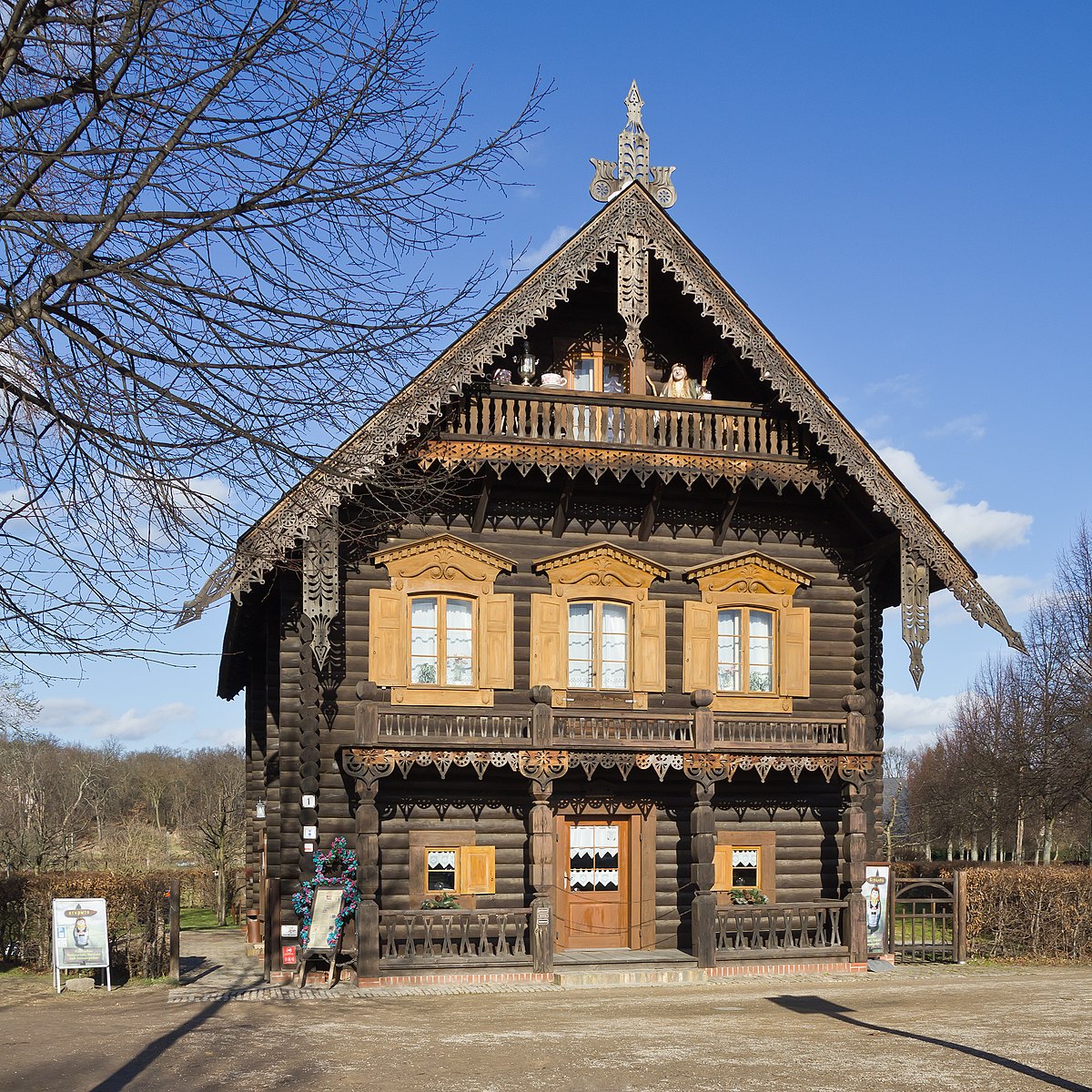
Located in the picturesque city of Potsdam, Germany, Alexandrowka is an intriguing architectural ensemble that reflects a unique blend of Russian and …

Alte Burg Penzlin
📍 Brandenburg, Germany
Alte Burg Penzlin, a captivating castle located in the quaint town of Penzlin, Germany, serves as a remarkable example of medieval architecture and …

Alte Dorfkirche Röxe
📍 Brandenburg, Germany
The Alte Dorfkirche Röxe stands as a poignant symbol of architectural and cultural history in the Stendal region of Germany. This church building, …
More Museums

Abbey and Altenmünster of Lorsch
📍 Baden-Württemberg, Germany
The Abbey and Altenmünster of Lorsch is a UNESCO World Heritage site located in the charming town of Lorsch, Germany. This significant cultural …
Abenteuermuseum
📍 Rhineland-Palatinate, Germany
The Abenteuermuseum, located in Germany, invites visitors to explore the wonders of adventure through its unique exhibits and engaging experiences. …

Abwasser- und Sielmuseum
📍 Hamburg, Germany
The Abwasser- und Sielmuseum, located in the heart of Hamburg-Mitte, offers a unique glimpse into the city’s historical infrastructure concerning …

Academy of Arts, Berlin
📍 Berlin, Germany
The Academy of Arts in Berlin is not just a museum; it is a prominent national institution dedicated to the advancement of the arts in Germany. …

Ackerbürgermuseum Haus Leck
📍 Hesse, Germany
Ackerbürgermuseum Haus Leck is a culturally significant museum located in Germany’s Grebenstein region, dedicated to preserving and showcasing the …

Active Museum Spiegelgasse
📍 Hesse, Germany
Active Museum Spiegelgasse is a vital institution dedicated to preserving and exploring the German-Jewish history of Wiesbaden, Germany. Located in …