Overview
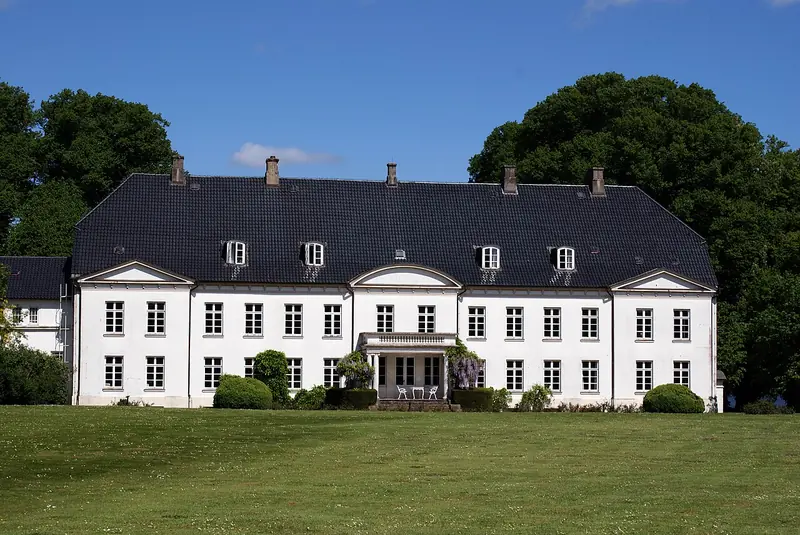
Louisenlund Castle, a remarkable example of classicist architecture, is located in the tranquil municipality of Güby in Schleswig-Holstein, Germany. This historic manor house, originally constructed as a summer residence for Landgrave Carl von Hessen, is surrounded by a sprawling English park that enhances its serene atmosphere. Visitors to Louisenlund can expect to immerse themselves in a setting that reflects both the grandeur of 18th-century design and the natural beauty of its surroundings. The castle not only serves as a picturesque landmark but also plays a significant role in the cultural heritage of the region, making it a worthwhile destination for history enthusiasts and casual visitors alike.
History and Significance
The story of Louisenlund Castle is deeply intertwined with the history of the Hessian landgraves. Built between 1772 and 1776, the castle was designed as a summer retreat for Landgrave Carl von Hessen, reflecting the era’s preference for leisure and the appreciation of nature. The choice of location, with its expansive parkland, was likely influenced by the evolving ideals of landscape architecture during this period.
As a historic building, Louisenlund not only offers insights into the lifestyle of the nobility of the 18th century but also represents the broader cultural shifts of the time. The castle’s construction coincides with a period of increased interest in classical forms and aesthetics, which were seen as expressions of enlightenment values. This architectural style was characterized by symmetry, grand proportions, and a connection to nature, all of which can be observed in the design of Louisenlund.
Throughout its existence, Louisenlund Castle has served various functions, adapting to the changing tides of history. Its significance extends beyond its architectural beauty; it has been a witness to the social and political changes that have shaped the region. Today, it stands not only as a preservation of history but also as a venue for cultural events and gatherings, further embedding itself in the community’s ongoing narrative.
Architecture and Features
Louisenlund Castle is an exemplary representation of classicist architecture, marked by its elegant lines and harmonious proportions. The structure is distinguished by its symmetrical façade, which features a central entrance framed by columns, a hallmark of classical design. The use of local materials contributes to the castle’s integration with its natural surroundings, creating a cohesive aesthetic that is both refined and inviting.
The castle is set within a vast English landscape park, which enhances its architectural appeal. The park’s design aligns with the principles of the English garden movement, promoting a naturalistic approach to landscaping that contrasts with the more rigid geometries of formal gardens. Features such as winding paths, carefully placed trees, and open lawns create a picturesque setting that invites exploration and reflection.
Inside, the castle may feature a variety of rooms that reflect the lifestyle of its former residents, showcasing period furnishings and decor. Each space tells a story, offering glimpses into the daily life of the landgrave and his guests. While specific details about the interior design may vary, the overarching theme remains one of elegance and historical significance.
Visiting Information
Visitors to Louisenlund Castle can expect a serene and enlightening experience. The castle is accessible by various means of transport, and its location in Schleswig-Holstein makes it a suitable stop for those exploring the northern regions of Germany. For the most accurate information regarding visiting hours and ticket prices, check the official website, as these details may change seasonally.
When planning a visit, it is advisable to allocate sufficient time to fully appreciate both the castle and its park. A leisurely stroll through the grounds can provide a deeper understanding of the landscape’s connection to the castle’s history. The best times to visit are often during spring and early autumn when the park is particularly vibrant, showcasing the beauty of nature in full bloom.
Expect a welcoming atmosphere where you can engage with the site’s history and architecture. Depending on your interests, you may choose to take guided tours, which often provide valuable insights into the castle’s past and its significance in the region.
Nearby Attractions
While Louisenlund Castle offers a wealth of history and beauty, visitors can also explore several nearby attractions that enhance the travel experience:
Schleswig Cathedral: Located in the city of Schleswig, this impressive structure is known for its stunning Romanesque architecture and rich history, dating back to the 12th century.
Gråsten Palace: A short drive from Louisenlund, Gråsten Palace is the summer residence of the Danish royal family. The palace gardens are particularly lovely and worth a visit.
The Viking Museum in Schleswig (Viking Museum Haithabu): This museum offers a fascinating glimpse into the Viking Age, showcasing artifacts and recreations of Viking settlements.
The Archaeological State Museum (Archäologisches Landesmuseum): Also located in Schleswig, this museum houses a treasure trove of artifacts from the region’s rich archaeological past.
Schleswig-Holstein Wadden Sea National Park: Just a bit further afield, this UNESCO World Heritage site is known for its unique coastal ecosystem and offers opportunities for hiking and birdwatching.
Insider Tips
For those looking to capture the beauty of Louisenlund Castle through photography, consider visiting during the golden hours of early morning or late afternoon when the soft light enhances the architecture and surrounding park. To avoid crowds, aim for weekdays or visit during the off-peak tourist season.
While exploring the grounds, take your time to wander off the main paths to discover quieter spots that offer unique perspectives of the castle and park. If you are interested in learning more about the castle’s history, inquire about guided tours, which often provide in-depth information that enriches the experience.
Practical Information
When planning your visit to Louisenlund Castle, it’s advisable to bring comfortable walking shoes, as exploring the extensive park may involve some walking on varied terrain. Depending on the season, layering clothing can be beneficial, as temperatures can fluctuate throughout the day.
Be sure to check the official website for any seasonal events or activities that may be taking place during your visit, as these can enhance your experience. Pack a small picnic to enjoy in the park, as this allows you to fully immerse yourself in the tranquil environment.
Frequently Asked Questions
How long should I spend visiting?
A visit to Louisenlund Castle typically takes about 2 to 3 hours, including time to explore the castle and its park.
Is photography allowed?
Photography is generally permitted in the outdoor areas of the castle and park. Check for specific rules regarding indoor photography.
Are there guided tours?
Yes, guided tours may be available, offering deeper insights into the history and architecture of the castle.
What’s the best time to visit?
Spring and early autumn are often considered the best times to visit, when the park is particularly vibrant.
Is it wheelchair accessible?
Check the official website for detailed accessibility information, as conditions may vary.
Can I buy tickets online?
For the most accurate information regarding ticket purchases, including online options, check the official website.
Are there restrooms and cafes?
Facilities may be available on site; however, it’s best to check the official website for the most current information.
What should I wear?
Dress comfortably for walking, and consider layers depending on the season.



