Overview
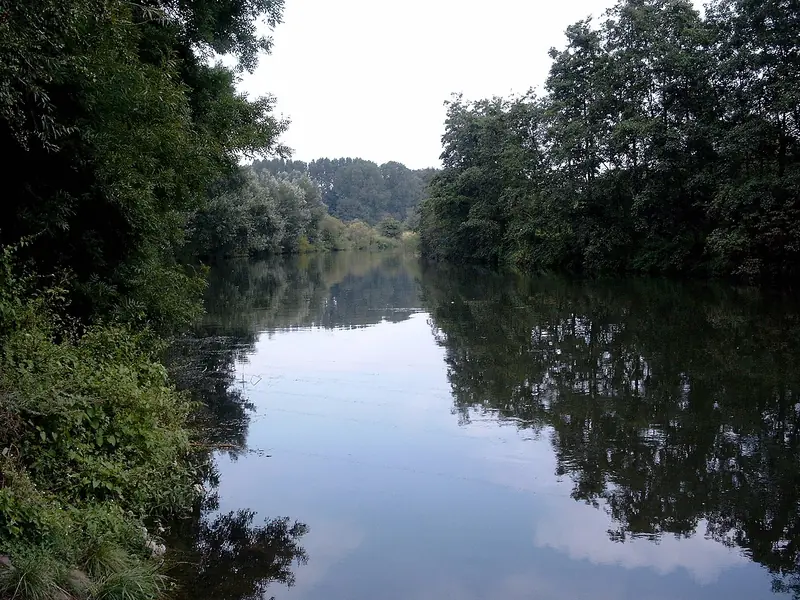
The Lippe River, flowing gracefully through the heart of Germany, is a significant waterway that offers both natural beauty and a glimpse into the region’s cultural heritage. This river, which meanders through the state of North Rhine-Westphalia, serves as a vital ecological corridor while also playing an essential role in the historical context of the surrounding towns and landscapes. The Lippe is not only a natural site but also a major river that has supported human settlement and activity for centuries, making it a focal point for both locals and visitors alike.
As you explore the banks of the Lippe, you will find lush greenery and an array of wildlife, providing a serene backdrop for outdoor activities such as hiking, cycling, and bird watching. The river has historically been a route for trade and transportation, connecting various towns and communities along its path. Today, it continues to be an important resource, offering recreational opportunities and enhancing the quality of life for those who live nearby. Whether you are an avid nature enthusiast or simply looking for a peaceful retreat, the Lippe River invites exploration and appreciation.
History and Significance
The Lippe River has played a crucial role in the development of the surrounding region. Its origins can be traced back to ancient times, when it served as a key waterway for trade and transportation. The river facilitated the movement of goods and people, linking various settlements, and contributing to the cultural exchange that has shaped the area over centuries.
Throughout history, the Lippe has been a lifeline for the communities along its banks. The river has supported agriculture, provided drinking water, and served as a source of energy through mills. Its waters have also been central to local folklore and traditions, often depicted in the art and literature of the region. The river’s significance is underscored by the towns that have developed around it, such as Lippe’s namesake, which carry forward the legacy of commerce and community that the river once fostered.
Moreover, the Lippe River is recognized for its ecological importance. It supports a diverse range of wildlife, including various fish species, birds, and other fauna that thrive in its waters and adjacent habitats. Efforts to preserve and protect the river’s ecosystem have become increasingly important as urbanization pressures mount. Conservation initiatives aim to maintain the river’s health while promoting sustainable practices that benefit both nature and the people who rely on it.
Architecture and Features
The Lippe River is characterized by its winding course and the scenic landscapes that line its banks. The river itself varies in width and depth, creating diverse habitats for aquatic life. Along its path, you can find charming villages and towns that reflect the architectural styles of their respective eras, offering a juxtaposition of historical and modern influences.
Notable features include the various bridges that cross the river, which serve not only as functional crossings but also as vantage points for enjoying the surrounding scenery. These structures often incorporate local architectural styles, adding to the cultural richness of the area. The riverbanks are lined with walking and cycling paths, allowing visitors to experience the natural beauty of the Lippe up close while also promoting outdoor recreation.
In addition to its natural and architectural features, the Lippe is home to several parks and green spaces that enhance its surroundings. These areas often include picnic spots, playgrounds, and viewpoints that invite relaxation and enjoyment of the river’s tranquil ambiance. The combination of nature and human-made structures creates a harmonious environment that reflects the historical and ongoing relationship between the Lippe and the communities it nourishes.
Visiting Information
Exploring the Lippe River is accessible for various types of visitors, whether you are seeking a leisurely stroll along its banks or a more active adventure on the water. When planning your visit, consider the transportation options available. The river is well-connected by local public transport routes, making it easy to reach from nearby towns and cities. Depending on your location, you may also find parking facilities available for those traveling by car.
Check the official website for current information on any specific events or activities that may be occurring during your visit. Whether you are interested in organized tours, guided walks, or self-exploration, there are various ways to engage with the river and its surroundings.
As for what to expect, the Lippe River offers a peaceful atmosphere, perfect for unwinding and enjoying nature. Allocate a few hours to fully appreciate the area, with additional time if you wish to participate in outdoor activities such as cycling or fishing. The best times to visit are typically during the spring and summer months when the weather is favorable, and the surrounding landscapes are in full bloom.
Nearby Attractions
While the Lippe River is a destination in itself, several nearby attractions can enhance your visit:
Detmold: A charming town known for its historic architecture and proximity to the Externsteine rock formations, offering both cultural and natural experiences.
Lippe State Museum: Located in Detmold, this museum showcases the region’s history, culture, and art, making it a worthwhile stop for those interested in local heritage.
Externsteine: A striking natural rock formation that has significant historical and spiritual importance, providing impressive views and hiking opportunities.
Hermannsdenkmal: An iconic monument commemorating Arminius, a chieftain who famously defeated the Romans. The site offers panoramic views and insights into German history.
Paderborn: A nearby city featuring a historic old town, beautiful churches, and the Paderborn Cathedral, which is a UNESCO World Heritage site.
Insider Tips
For photography enthusiasts, the Lippe River presents countless opportunities to capture stunning landscapes and wildlife. Early morning or late afternoon light often creates the best conditions for photography, casting soft shadows and enhancing the colors of the river and its surroundings.
To avoid crowds, consider visiting during weekdays or outside of peak tourist seasons. Early mornings can also be particularly serene, allowing you to enjoy the natural beauty of the river in a quieter atmosphere. Bring binoculars for birdwatching or simply to take in the details of the lush environments along the riverbank.
Practical Information
When visiting the Lippe River, it’s advisable to bring essentials such as water, snacks, and sunscreen, especially if you plan on spending extended time outdoors. Comfortable walking shoes are recommended, as well as weather-appropriate clothing, particularly in the cooler months when temperatures can vary.
Seasonal considerations include the river being particularly pleasant in the warmer months, but spring and autumn can also offer unique experiences, with blooming flowers and vibrant foliage. Always check the official website for any alerts regarding weather conditions or potential closures due to environmental factors.
Frequently Asked Questions
How long should I spend visiting?
A few hours is ideal for a leisurely exploration of the Lippe River, but plan for more time if you wish to engage in activities such as cycling or fishing.
Is photography allowed?
Yes, photography is welcome throughout the area, particularly for capturing the scenic landscapes and wildlife.
Are there guided tours?
Check local resources for any organized tours that may be available, which can provide deeper insights into the river’s history and ecology.
What’s the best time to visit?
The best times to visit are typically during the spring and summer months, but autumn also offers beautiful scenery.
Is it wheelchair accessible?
Accessibility may vary by location along the river; check specific sites or paths for wheelchair access.
Can I buy tickets online?
There may be specific attractions along the river that require tickets; check the official website for details.
Are there restrooms and cafes?
Facilities may be available in nearby towns; plan accordingly for refreshments and restroom breaks.
What should I wear?
Wear comfortable clothing suitable for outdoor activities, and dress in layers to accommodate changing weather conditions.



