Linderhof Palace
Overview
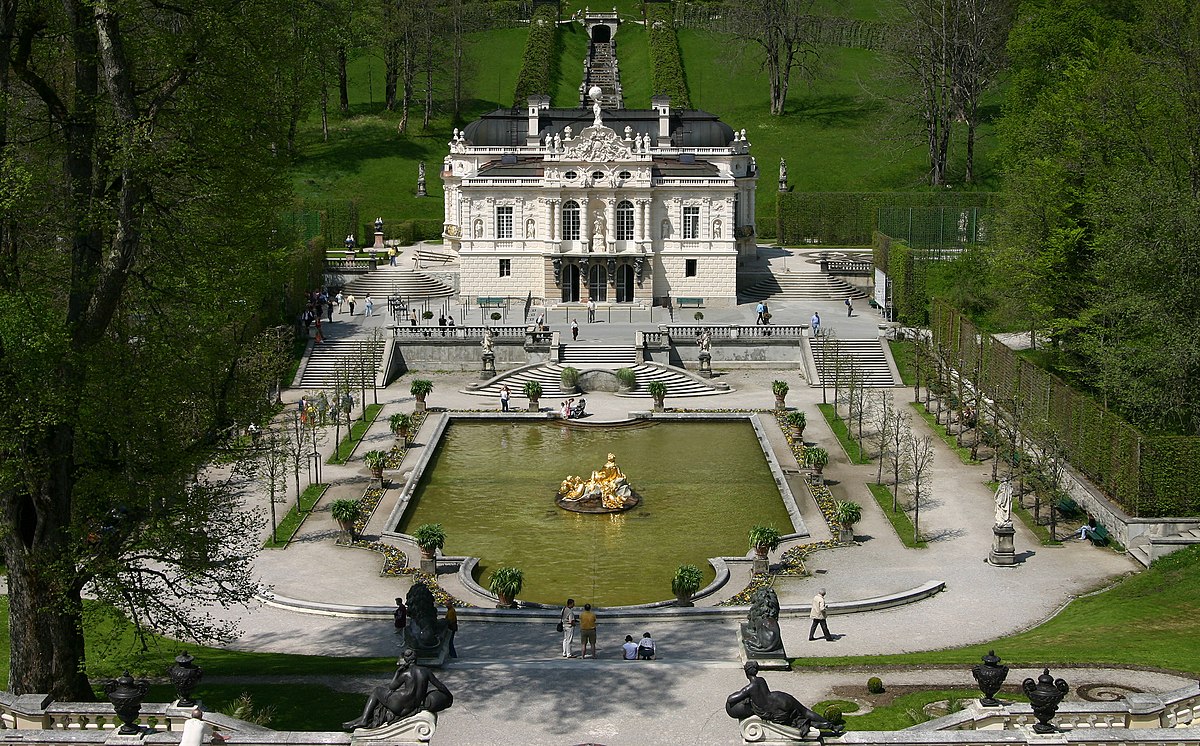
Linderhof Palace, located in the picturesque region of Ettal, Bavaria, Germany, is a captivating representation of 19th-century opulence and artistic vision. Commissioned by King Ludwig II of Bavaria, it is the smallest of his palatial creations, yet it stands out for its unique charm and enchanting gardens. The palace is situated amidst lush landscapes, drawing visitors eager to explore its grandeur and the serene beauty of its surroundings. As a significant cultural landmark, Linderhof Palace showcases the extravagant lifestyle of its royal patron and offers a glimpse into the artistic and architectural trends of its time.
Visitors to Linderhof are greeted by a harmonious blend of natural beauty and human creativity, where the gardens and structures reflect the ideal of a romantic retreat. The palace is not merely a building; it serves as a symbol of Ludwig II’s aspirations and his love for the arts. Whether you are an architecture enthusiast, a history buff, or simply seeking a tranquil escape, Linderhof Palace promises an enriching experience.
History and Significance
Linderhof Palace has a rich history closely tied to the enigmatic figure of King Ludwig II, often referred to as the “Swan King.” Ludwig, who ascended to the throne in 1864, was known for his fascination with mythology, art, and nature. He envisioned Linderhof as a personal retreat where he could escape the pressures of royal life and indulge in his creative pursuits. The palace was constructed in the latter part of his reign and reflects his romantic ideals.
The palace itself was inspired by the grandeur of the French palaces, particularly the Palace of Versailles, but it also incorporates elements of Bavarian architecture. Ludwig’s intention was to create a space that embodied his artistic sensibilities while also allowing him to immerse himself in nature. The gardens, designed with meticulous attention to detail, are as much a part of the palace’s allure as the building itself.
Linderhof served not only as a residence but also as a stage for the king’s elaborate fantasies. The palace is adorned with opulent interiors, featuring intricate woodwork, lavish furnishings, and stunning artworks that showcase the craftsmanship of the period. Each room tells a story, reflecting Ludwig’s eclectic tastes and his desire to create a world reminiscent of the fairy tales he cherished.
Today, Linderhof Palace stands as a significant cultural landmark, attracting visitors from around the globe. It is recognized for its artistic and historical value, and has become a symbol of Bavaria’s royal heritage. The palace’s integration with its natural surroundings continues to inspire awe and admiration, making it a must-visit destination for those exploring the region.
Architecture and Features
Linderhof Palace is characterized by its neo-Rococo architectural style, which is evident in both its exterior and interior design. The palace is relatively modest in size compared to other royal residences, yet its attention to detail and decorative elements make it visually striking. The façade features delicate stucco work, ornate gilded decorations, and an array of intricate sculptures that enhance its grandeur.
The palace is organized around a central courtyard, which is surrounded by various rooms, each with its own unique character. The grand hall is particularly noteworthy, showcasing a stunning coffered ceiling and lavish furnishings that reflect the king’s opulent taste. The use of rich colors and luxurious materials, such as silk and velvet, adds to the palace’s enchanting ambiance.
One of the most remarkable features of Linderhof is its gardens, meticulously designed to create a harmonious blend of architecture and nature. The gardens are arranged in a formal style, with symmetrical flower beds, fountains, and sculptures that echo the grandeur of the palace. The most famous of these is the large fountain that shoots water high into the air, creating a mesmerizing spectacle for visitors.
Further enhancing the experience, the grounds include various smaller structures, such as the Moroccan House and the Venus Grotto, which reflect Ludwig’s fascination with diverse cultures and mythological themes. These additions create a whimsical atmosphere, inviting visitors to explore the imaginative world that Ludwig II sought to create.
Visiting Information
Reaching Linderhof Palace is relatively straightforward, with various transport options available for visitors. The palace is accessible by car and is located near several major roads, making it convenient for those traveling by vehicle. Additionally, public transportation options may be available, with bus services connecting to nearby towns and cities.
Check the official website for current information on opening hours and ticket prices, as these can vary depending on the season and special events. Visitors should plan to spend a few hours at the palace to fully appreciate the architecture, gardens, and various exhibitions that may be on display.
The best times to visit Linderhof are during the warmer months when the gardens are in full bloom, creating a vibrant and inviting atmosphere. Early mornings or late afternoons may offer a quieter experience, allowing for leisurely exploration without the crowds.
Upon arrival, visitors can expect an array of experiences, from guided tours of the palace’s exquisite interiors to tranquil strolls through the lush gardens. It is advisable to wear comfortable footwear, as exploring the expansive grounds may involve walking on uneven surfaces.
Nearby Attractions
While Linderhof Palace is an enchanting destination in its own right, several nearby attractions enhance the experience for visitors exploring the Bavarian region.
Ettal Abbey: Just a short distance from Linderhof, Ettal Abbey is a stunning Benedictine monastery known for its impressive baroque architecture and beautiful frescoes. Visitors can explore the abbey’s church and the adjacent brewery.
Neuschwanstein Castle: A short drive away, this iconic castle, also commissioned by King Ludwig II, is famous for its fairy-tale appearance and dramatic mountain backdrop. A visit to Neuschwanstein offers insight into Ludwig’s vision and architectural ambitions.
Garmisch-Partenkirchen: This charming town is known for its alpine beauty and outdoor activities. Visitors can enjoy hiking, skiing, or simply exploring the picturesque streets filled with shops and restaurants.
Graseck Cable Car: Just a short distance from Garmisch-Partenkirchen, the cable car offers a scenic ride to the mountain peak, providing stunning views of the surrounding landscape and opportunities for hiking and nature walks.
Partnach Gorge: A natural wonder located near Garmisch-Partenkirchen, the gorge features breathtaking rock formations and a picturesque river. Walking through the gorge is a memorable experience for nature lovers.
Insider Tips
For photography enthusiasts, Linderhof Palace offers numerous picturesque spots, both inside and outside the palace. Early morning or late afternoon light can enhance the beauty of the gardens and the palace’s exterior, making for stunning photographs. Inside, be mindful of any restrictions regarding photography, especially in certain rooms.
To avoid larger crowds, consider visiting during weekdays or early in the day. This can provide a more relaxed experience, allowing for leisurely exploration of the gardens and interiors without feeling rushed.
Practical Information
When planning your visit to Linderhof Palace, it is advisable to dress comfortably and wear appropriate footwear, especially if you intend to explore the gardens. Seasonal considerations are essential; summer months may require sun protection, while cooler months can bring unpredictable weather, so layers are recommended.
It is also wise to bring a reusable water bottle, as there may be limited options for refreshments on-site. Visitors should check the official website for any updates regarding amenities, including cafes and restrooms.
Frequently Asked Questions
How long should I spend visiting?
A visit to Linderhof Palace typically takes about 2 to 3 hours, allowing time for both the interior tour and a leisurely stroll through the gardens.
Is photography allowed?
Photography is usually permitted in the gardens, but restrictions may apply inside the palace. Always check for specific guidelines upon arrival.
Are there guided tours?
Yes, guided tours are often available, providing insights into the history and architecture of the palace.
What’s the best time to visit?
The best time to visit Linderhof Palace is during the warmer months, when the gardens are in full bloom. Weekdays tend to be quieter than weekends.
Is it wheelchair accessible?
Check the official website for information about accessibility options for visitors with mobility challenges.
Can I buy tickets online?
Information about purchasing tickets online can typically be found on the official website.
Are there restrooms and cafes?
Facilities such as restrooms and cafes may be available on-site; check the official website for current details.
What should I wear?
Comfortable clothing and footwear are recommended, especially if you plan to explore the gardens extensively. Consider layering for varying weather conditions.
Location
More in Bavaria

8. November 1939 (Denkmal)
📍 Bavaria, Germany
The 8. November 1939 (Denkmal) stands as a poignant monument in Munich, Germany, marking a significant moment in the nation’s history. Dedicated to …

Abbey of St. Nikola in Passau
📍 Bavaria, Germany
The Abbey of St. Nikola in Passau stands as a significant religious and cultural landmark in this historic German city. Located at coordinates …

Abensbergerdenkmal
📍 Bavaria, Germany
The Abensbergerdenkmal, a notable monument located in Freising, Upper Bavaria, Germany, serves as an evocative reminder of the region’s historical and …
Abrechen (München)
📍 Bavaria, Germany
Abrechen in München is a bridge that plays a significant role in the connectivity of this bustling German city. Located at coordinates 48.1357, …
Abschnittsbefestigung Andechs
📍 Bavaria, Germany
The Abschnittsbefestigung Andechs, a striking castle located in the scenic region of Andechs, Germany, offers a fascinating glimpse into the …
Abschnittsbefestigung im Taitinger Holz
📍 Bavaria, Germany
The Abschnittsbefestigung im Taitinger Holz represents an intriguing chapter in Germany’s medieval architectural narrative. Located in Bavaria, this …
More Palaces

Adelspalast
📍 Bavaria, Germany
The Adelspalast, a stunning cultural heritage monument located in the heart of Bamberg, Bavaria, offers visitors an opportunity to explore a …

Aegidienstraße 22
📍 Lower Saxony, Germany
Aegidienstraße 22 is a distinguished palace located in Lübeck’s Old City, a UNESCO World Heritage site known for its well-preserved medieval …

Alexanderpalais (Darmstadt)
📍 Hesse, Germany
The Alexanderpalais in Darmstadt, Germany, is a noteworthy example of architectural elegance and historical significance. This palace, located in the …
Altenburgsches Palais
📍 Lower Saxony, Germany
Altenburgsches Palais, a significant yet non-preserved palace located in the heart of Hanover, Germany, invites visitors to explore its intriguing …

Altenstein Palace
📍 Thuringia, Germany
Altenstein Palace, a striking architectural gem, gracefully ascends a rocky hill on the southwestern slope of the Thuringian Forest in Germany. This …

Älterer Dalberger Hof
📍 Hesse, Germany
The Älterer Dalberger Hof, a distinguished palace located in the heart of Mainz, Germany, offers visitors an intriguing glimpse into the architectural …