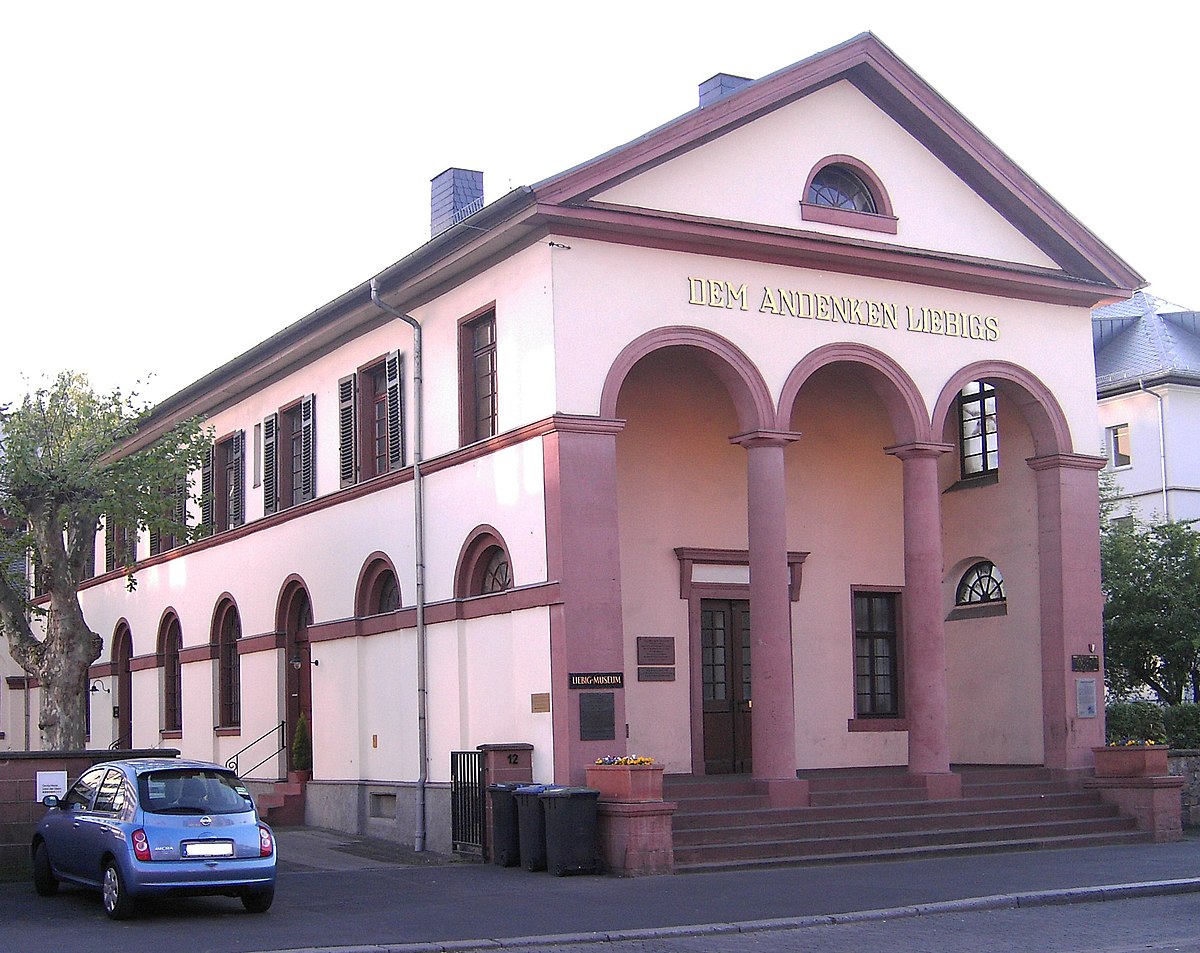
Liebig Museum
Overview
The Liebig Museum, situated in Giessen, Germany, serves as a captivating destination for those interested in the intersection of science and history. This museum is dedicated to the life and work of Justus von Liebig, a pioneering chemist whose contributions significantly advanced the field of agricultural chemistry in the 19th century. By showcasing Liebig’s groundbreaking research, the museum not only honors his legacy but also emphasizes the importance of chemistry in everyday life. As visitors explore the museum’s exhibits, they gain insight into how Liebig’s discoveries shaped modern agricultural practices and influenced various industries.
The museum is located in Giessen, a city known for its rich academic history and vibrant cultural scene. With its engaging displays and informative content, the Liebig Museum is a must-visit for anyone curious about the scientific advancements that have shaped our world. Whether you’re a science enthusiast or simply looking to immerse yourself in the intellectual history of the region, the Liebig Museum promises a thought-provoking experience.
History and Significance
The Liebig Museum stands as a reflection of the significant contributions of Justus von Liebig, who is often referred to as the father of modern chemistry. Born in 1803, Liebig’s research laid the groundwork for agricultural chemistry, impacting how crops are grown and fertilizers are used to this day. His innovative approach to science was not just a product of his time; it revolutionized the understanding of chemical processes in the natural world.
Liebig’s work extended beyond the laboratory; he was also an advocate for scientific education and the dissemination of knowledge. His emphasis on practical applications of chemistry in agriculture made science accessible and relevant to everyday life, fostering a greater appreciation for the subject among the general public. The establishment of the Liebig Museum in Giessen serves to preserve and promote his legacy, ensuring that future generations understand the importance of his contributions.
The museum also represents Giessen’s longstanding commitment to education and research. As a university town, Giessen has been a center for academic excellence and innovation. The Liebig Museum fits seamlessly within this context, serving as both an educational facility and a source of inspiration for visitors of all ages. Its exhibits not only detail Liebig’s life and achievements but also highlight the broader implications of his work on modern society.
Architecture and Features
The Liebig Museum showcases a unique architectural style that reflects the historical context of its foundation. While specific details about the physical structure are not provided, the museum likely features elements that resonate with the academic and scientific legacy of Justus von Liebig. Visitors can expect to find a space thoughtfully designed to facilitate learning and engagement with the subject matter.
Inside, the museum is organized to guide guests through various aspects of Liebig’s life and work. Exhibits may include original manuscripts, chemical apparatus, and interactive displays that illustrate Liebig’s experiments and findings. The layout is designed to allow for both individual exploration and guided learning, accommodating different visitor preferences.
Notable features of the museum likely include replicas of Liebig’s laboratory equipment and displays that contextualize his research within the broader framework of 19th-century science. By showcasing artifacts and documents from this pivotal era, the museum provides a comprehensive overview of how Liebig’s work influenced not only chemistry but also agriculture and industry.
Visiting Information
For those planning a visit to the Liebig Museum, it is essential to consider transportation options available in Giessen. The museum is accessible via public transit, making it easy for visitors to reach the site from various points within the city. Parking facilities may also be available for those who choose to drive.
Before visiting, it is advisable to check the official website for current information regarding operating hours and ticket prices. The museum likely hosts a range of exhibitions that can take varying amounts of time to explore, so visitors should plan accordingly. Typically, a visit may require approximately one to two hours to fully appreciate the exhibits and engage with the material.
The best times to visit the Liebig Museum may vary depending on local events and tourist seasons. Generally, weekdays tend to be quieter than weekends, allowing for a more relaxed experience. Special events or temporary exhibits may also draw larger crowds, so checking the museum’s schedule can enhance your visit.
Nearby Attractions
While exploring the Liebig Museum, consider visiting these nearby attractions to enrich your experience in Giessen:
St. Bonifatius Church: A beautiful example of neo-gothic architecture, this church is worth a visit for its stunning stained glass windows and serene atmosphere.
Giessen Botanical Garden: This expansive garden features diverse plant species and tranquil pathways, perfect for a leisurely stroll after your museum visit.
Mathematikum: An interactive mathematics museum that encourages visitors to engage with mathematical concepts through hands-on exhibits, making it a fun complement to the Liebig Museum.
Alte Universität: The Old University of Giessen, with its historical significance and beautiful architecture, is an excellent spot for those interested in the academic heritage of the city.
Liebig’s Legacy: Explore various sites in Giessen associated with Liebig’s life and work, including his former residence and the university where he taught.
Insider Tips
To enhance your experience at the Liebig Museum, consider these insider tips:
Photography: Check if photography is permitted within the museum, as some exhibitions may have restrictions on capturing images. If allowed, be mindful of others while taking photos.
Crowd Avoidance: To enjoy a more peaceful visit, consider going during weekdays or early in the day. This can help you avoid larger groups and allows for a more personal exploration of the exhibits.
Engagement: Take your time with the interactive displays. Engaging with the material can deepen your understanding of Liebig’s work and its relevance today.
Practical Information
Before heading to the Liebig Museum, here are some practical considerations:
What to Bring: A notebook or sketchbook can be useful for jotting down insights or sketching exhibits. Comfortable walking shoes are advisable, as you may spend a fair amount of time exploring.
Seasonal Considerations: Depending on the time of year, dress appropriately for the weather. Giessen can experience varying temperatures, so layering is recommended.
Accessibility: If you have specific accessibility needs, check the official website for details on facilities and accommodations available at the museum.
Frequently Asked Questions
How long should I spend visiting?
A visit to the Liebig Museum typically takes about one to two hours, depending on your level of interest in the exhibits.
Is photography allowed?
Photography policies may vary, so it is advisable to check with museum staff or signage upon entry.
Are there guided tours?
The museum may offer guided tours, providing deeper insights into the exhibits and the life of Justus von Liebig. Check the official website for availability.
What’s the best time to visit?
Weekdays tend to be less crowded, making them an ideal time for a visit. Early mornings may also offer a quieter experience.
Is it wheelchair accessible?
For specific accessibility information, please refer to the official website to ensure a comfortable visit.
Can I buy tickets online?
Check the official website for information regarding online ticket purchases.
Are there restrooms and cafes?
Facilities such as restrooms are typically available. For dining options, check the museum’s website or nearby cafes for refreshments.
What should I wear?
Dress comfortably and appropriately for the weather, considering that you may be walking and exploring exhibits for an extended period.
A visit to the Liebig Museum not only honors a significant figure in the history of science but also enriches your understanding of how chemistry continues to shape our world today.
More in Hesse

Abri IX
📍 Hesse, Germany
Abri IX is an archaeological site located in Gleichen, Germany, that captures the essence of human history through its fascinating remnants. This site …

Ackerbürgermuseum Haus Leck
📍 Hesse, Germany
Ackerbürgermuseum Haus Leck is a culturally significant museum located in Germany’s Grebenstein region, dedicated to preserving and showcasing the …

Actien-Brauerei Homburg v. d. Höhe
📍 Hesse, Germany
Actien-Brauerei Homburg v. d. Höhe is a significant historical brewery located in Bad Homburg vor der Höhe, Germany. This former brewery is a …

Active Museum Spiegelgasse
📍 Hesse, Germany
Active Museum Spiegelgasse is a vital institution dedicated to preserving and exploring the German-Jewish history of Wiesbaden, Germany. Located in …

Adornodenkmal
📍 Hesse, Germany
Adornodenkmal, a prominent monument located in Frankfurt am Main, Germany, serves as a significant cultural landmark that encapsulates the spirit of …
Affentor
📍 Hesse, Germany
Affentor, the southernmost of the medieval city gates of Frankfurt am Main, serves as a historical marker of the city’s rich past and architectural …
More Museums

Abbey and Altenmünster of Lorsch
📍 Baden-Württemberg, Germany
The Abbey and Altenmünster of Lorsch is a UNESCO World Heritage site located in the charming town of Lorsch, Germany. This significant cultural …
Abenteuermuseum
📍 Rhineland-Palatinate, Germany
The Abenteuermuseum, located in Germany, invites visitors to explore the wonders of adventure through its unique exhibits and engaging experiences. …

Abwasser- und Sielmuseum
📍 Hamburg, Germany
The Abwasser- und Sielmuseum, located in the heart of Hamburg-Mitte, offers a unique glimpse into the city’s historical infrastructure concerning …

Academy of Arts, Berlin
📍 Berlin, Germany
The Academy of Arts in Berlin is not just a museum; it is a prominent national institution dedicated to the advancement of the arts in Germany. …
Ackerbürgermuseum Haus Leck
📍 Hesse, Germany
Ackerbürgermuseum Haus Leck is a culturally significant museum located in Germany’s Grebenstein region, dedicated to preserving and showcasing the …
Active Museum Spiegelgasse
📍 Hesse, Germany
Active Museum Spiegelgasse is a vital institution dedicated to preserving and exploring the German-Jewish history of Wiesbaden, Germany. Located in …