Overview
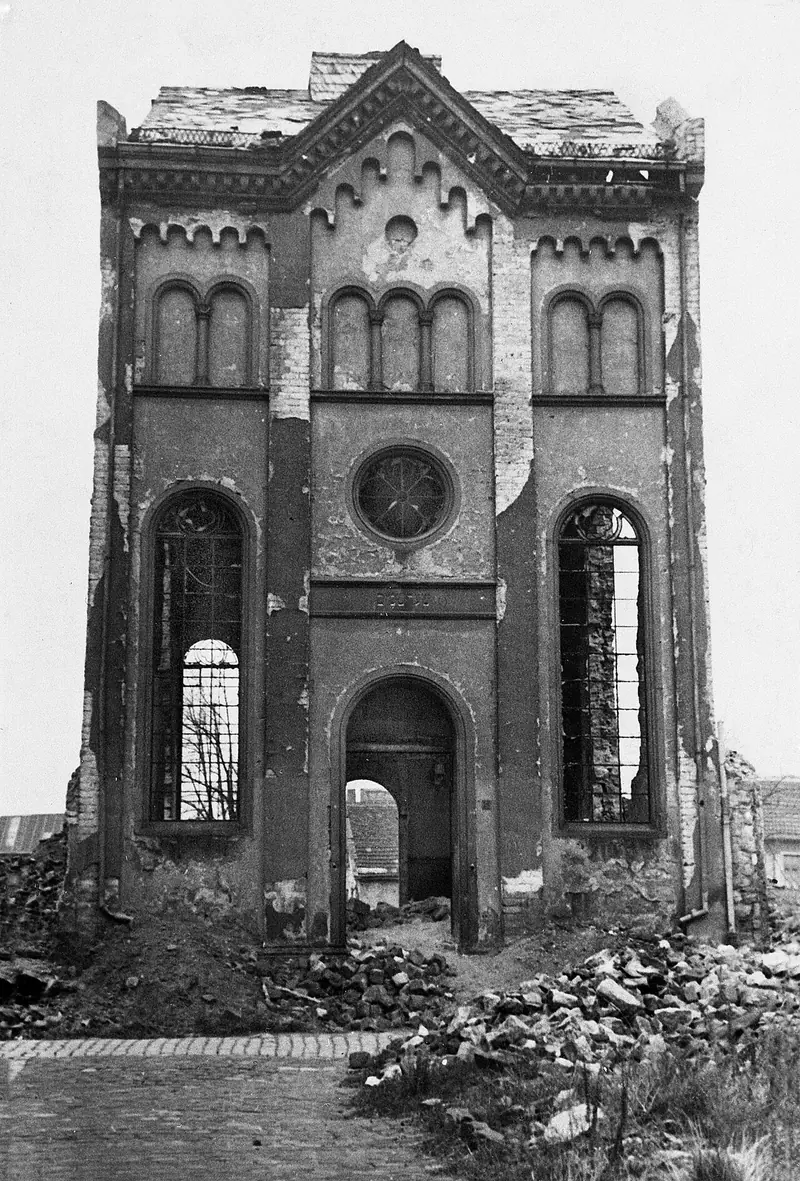
Levy’sche Synagoge Worms, once an important center of Jewish life and worship in Germany, holds a significant place in the historical narrative of the Jewish community in Europe. Located in the city of Worms, this synagogue was part of a larger cultural and religious tapestry that has shaped the region. The site provides insight into the historical resilience and contributions of Jewish communities, reflecting both their trials and triumphs throughout history. Although it is no longer standing, the legacy of Levy’sche Synagoge and its role in the Jewish heritage of Worms continues to resonate, making it a point of interest for visitors seeking to understand the complexities of religious and cultural history in Germany.
History and Significance
The Levy’sche Synagoge was not just a place of worship; it was a pillar of the Jewish community in Worms, one of the oldest Jewish communities in Europe. This synagogue served as a gathering place for the local Jewish population, fostering a strong sense of community and cultural identity. The synagogue was intricately linked to the historical narrative of Jews in Germany, a story that reflects resilience amid adversity.
Throughout the centuries, Worms has been a site of significant Jewish activity, with records indicating a Jewish presence dating back to the early medieval period. The synagogue itself was likely a manifestation of the community’s growth and the importance of Jewish religious practices in everyday life. The cultural contributions of the Jewish community in Worms were profound, influencing various aspects of local and regional culture.
The synagogue witnessed numerous historical events, including periods of persecution and resilience. Despite facing challenges, the Jewish community continued to thrive, maintaining its traditions and practices. The Levy’sche Synagoge became emblematic of Jewish life in Worms until its demolition, which marked a significant loss for the community and a poignant reminder of the historical fragility of cultural sites.
Architecture and Features
While the physical structure of Levy’sche Synagoge no longer exists, it was known for its distinctive architectural features that reflected the Jewish liturgical style of the time. The synagogue would have been designed to accommodate communal worship and gatherings, featuring a prayer hall that facilitated a rich spiritual life for its congregants.
Typically, synagogues of this period incorporated elements such as a bimah (a raised platform for reading the Torah) and an aron kodesh (the holy ark where the Torah scrolls were kept). The design would have emphasized light and space, creating an atmosphere conducive to prayer and reflection.
Although specific details about the architectural style and materials used in Levy’sche Synagoge are not readily available, synagogues of this nature often included intricate decorations and symbols that conveyed religious significance. The preservation of the site allows visitors to appreciate the historical context of Jewish architectural heritage.
Visiting Information
While the Levy’sche Synagoge itself is no longer standing, the site remains a place of reflection and historical importance. Visitors can access the location in Worms, which is easily reachable by public transport and car. Those traveling by train can arrive at the Worms railway station, followed by a short walk to the site.
Check the official website for hours and any potential events or commemorations that may be taking place at or near the site. Visitors may wish to spend about an hour reflecting on the significance of the location, though additional time can be devoted to exploring the surrounding area.
The best times to visit are during the spring and autumn months when the weather is generally mild, making it enjoyable to wander through the historic streets of Worms.
Nearby Attractions
Judengasse: This historic street is home to several significant Jewish sites, including the oldest Jewish cemetery in Europe, which holds the graves of many important figures from Jewish history.
Rheinisches Landesmuseum Worms: A museum that explores the art and cultural history of the region, providing valuable context to the historical significance of Worms.
Luther Monument: A prominent landmark celebrating Martin Luther’s connection to the city, adding a contrasting layer to the religious history of Worms.
Dom St. Peter: The Worms Cathedral, an impressive example of Romanesque architecture and an important site in the Christian narrative of the city.
Nibelungen Museum: Dedicated to the legends of the Nibelungenlied, this museum explores the mythological and cultural heritage of the region.
Insider Tips
For those wishing to capture the essence of the Levy’sche Synagoge site, consider visiting during the early morning or late afternoon when the light is softer, allowing for more evocative photographs. While the site may not attract large crowds, visiting during weekdays might provide a more tranquil experience.
As the site is primarily a place for reflection rather than a bustling tourist attraction, visitors are encouraged to take their time walking around and considering the historical context, making it a more meaningful visit.
Practical Information
When planning your visit, consider bringing a camera, a notebook for reflections, and comfortable walking shoes, as exploring the surrounding area can lead to many interesting discoveries. It is advisable to check the weather before visiting, as conditions can vary.
Seasonal considerations are important; spring and autumn are generally the most pleasant times to visit, while winter may bring colder temperatures and inclement weather.
Frequently Asked Questions
How long should I spend visiting?
Visitors typically spend about an hour at the site, allowing time for reflection and exploration of the surrounding area.
Is photography allowed?
Photography is generally permitted, but visitors should be respectful of the site’s significance.
Are there guided tours?
Check the official website for information on guided tours or educational programs that may be available.
What’s the best time to visit?
Spring and autumn are ideal for visiting due to milder weather.
Is it wheelchair accessible?
Check the official website for accessibility details regarding the site and nearby areas.
Can I buy tickets online?
As there is no entry fee to the site, no advance tickets are required. However, check the official website for any special events that may require registration.
Are there restrooms and cafes?
Nearby facilities may be limited, so it is advisable to plan accordingly. Check the official website for the latest information on amenities.
What should I wear?
Dress comfortably and appropriately for the weather, as you may be walking around the area for an extended period.



