
Leuphana University of Lüneburg
Overview
Leuphana University of Lüneburg, located in the historic city of Lüneburg, Germany, serves as an innovative educational institution dedicated to fostering interdisciplinary learning and research. Founded as a public university, it has become a key player in the academic landscape of Lower Saxony. The university is situated in a region known for its medieval architecture and vibrant cultural scene, making it an inviting destination for students, researchers, and visitors alike. With a commitment to sustainability and modern educational practices, Leuphana University stands out not only for its academic offerings but also as a hub for cultural exchange and community engagement.
The university’s strategic positioning in Lüneburg provides an opportunity for visitors to explore both its academic environment and the surrounding historical sites. This guide aims to provide insights into the university’s significance, architectural features, and visiting experiences, ensuring a comprehensive understanding of this important educational foundation.
History and Significance
Leuphana University has evolved into a pivotal educational institution since its establishment. Its origins can be traced back to a commitment to higher education and the promotion of research in various disciplines. As a public university, it emphasizes the integration of different fields of study, encouraging students to explore multiple perspectives and solutions to contemporary challenges.
The university is particularly known for its focus on sustainability and social responsibility, aiming to prepare students for global citizenship. This commitment is reflected in its innovative programs and interdisciplinary approach, which attracts a diverse student body from both Germany and abroad. The university fosters an environment where academic freedom and critical thinking are paramount, contributing to its reputation as a leader in progressive education.
Over the years, Leuphana University has actively engaged with the local community, creating partnerships that enhance both academic and cultural life in Lüneburg. Its role extends beyond education, as it frequently hosts events, workshops, and conferences that draw participants from various sectors, including academia, industry, and the arts. This engagement underscores the university’s mission to be a catalyst for change and innovation in society.
Architecture and Features
The architectural design of Leuphana University is both functional and aesthetically pleasing, reflecting modern educational needs while paying homage to the historical context of Lüneburg. The campus features a blend of contemporary structures and restored historical buildings. This integration allows the university to maintain a connection to the region’s heritage while providing state-of-the-art facilities for students and faculty.
One of the most striking features of the campus is its library, which is designed to be a central hub for learning and collaboration. The open spaces and natural light create an inviting atmosphere for study and research. Additionally, the university’s lecture halls and seminar rooms are equipped with advanced technology, ensuring that students have access to the resources necessary for a comprehensive educational experience.
The campus landscape is thoughtfully designed to promote interaction among students, with green spaces and communal areas that encourage collaboration and socialization. This blend of architectural innovation and natural beauty contributes to a stimulating environment for both academic pursuits and personal growth.
Visiting Information
Visiting Leuphana University of Lüneburg offers a unique opportunity to explore an educational institution that is steeped in cultural significance. The university is easily accessible through various modes of transportation, including public transit, making it convenient for both local residents and tourists.
Potential visitors should check the official website for current information regarding opening hours and any specific entry requirements. While exploring the campus, expect to see students engaged in their studies, participate in public events, or attend exhibitions that may be hosted throughout the year.
A visit can typically take a few hours, allowing time to wander the campus, enjoy the architecture, and perhaps attend a lecture or event if available. The best times to visit are during the academic year when the campus is bustling with activity, although summer may offer a quieter experience for those seeking a more serene atmosphere.
Nearby Attractions
Lüneburg is rich in history and culture, providing visitors with several nearby attractions to explore. Notable sites include:
- Lüneburg Old Town: A picturesque area filled with medieval buildings, charming streets, and vibrant cafes, perfect for leisurely exploration.
- St. Nicholas Church: An impressive Gothic church that showcases stunning architecture and offers insights into the region’s religious history.
- Lüneburg Heath: A natural reserve known for its unique landscapes and diverse flora and fauna, ideal for hiking and outdoor activities.
- German Salt Museum: This museum highlights Lüneburg’s historical significance in salt production, featuring engaging exhibits that recount the city’s industrial heritage.
These attractions provide a well-rounded experience, allowing visitors to immerse themselves in the local culture and history that complements the academic environment of Leuphana University.
Insider Tips
When visiting Leuphana University, consider bringing a camera to capture the unique architectural elements and vibrant campus life. Be mindful of peak times, such as the beginning of the academic year or during major events, as these periods may attract larger crowds. To avoid congestion, plan your visit during weekdays or earlier in the morning when the campus is less busy.
Practical Information
When preparing for a visit to Leuphana University, it is advisable to bring comfortable walking shoes, as you may want to explore the campus and surrounding areas. Seasonal considerations include checking the weather forecast to dress appropriately, particularly in winter months when temperatures can be low.
Additionally, consider bringing a water bottle and snacks, as exploring the campus may require some time, and having refreshments on hand will enhance your experience.
Frequently Asked Questions
How long should I spend visiting?
A visit can typically take a few hours, allowing time to explore the campus and nearby attractions.
Is photography allowed?
Yes, photography is generally permitted on campus. However, be respectful of students and staff during your visit.
Are there guided tours?
Check the official website for information on guided tours or events that may be taking place during your visit.
What’s the best time to visit?
The best time to visit is during the academic year when the campus is active, though summer offers a quieter experience.
Is it wheelchair accessible?
The campus is designed with accessibility in mind, but it’s advisable to check specific buildings or areas for details.
Can I buy tickets online?
Visit the official website for information on any events that may require tickets.
Are there restrooms and cafes?
Facilities are available on campus, including restrooms and places to grab a coffee or snack.
What should I wear?
Dress comfortably and consider the weather, especially if you plan to spend time outdoors on campus.
More in Lower Saxony

2000 Jahre Christentum
📍 Lower Saxony, Germany
The “2000 Jahre Christentum,” a prominent statue located in Brunswick, Germany, serves as a significant cultural landmark that reflects the rich …
A. Heucke
📍 Lower Saxony, Germany
A. Heucke, located in the historic town of Gatersleben in Germany’s Seeland region, represents a significant chapter in the story of industrial …

Aalto Theatre
📍 Lower Saxony, Germany
The Aalto Theatre in Essen, Germany, is a prominent cultural landmark that attracts both local and international visitors. Renowned for its …

Aasee
📍 Lower Saxony, Germany
Aasee is a picturesque lake located in the town of Ibbenbüren, Germany, serving as a popular destination for both locals and visitors alike. This …
Abgunst Mine
📍 Lower Saxony, Germany
Abgunst Mine, located in the industrial heart of Essen, Germany, is a significant heritage site that represents the country’s rich mining history. As …

Accumer Mühle
📍 Lower Saxony, Germany
Accumer Mühle is a captivating windmill located in Schortens, Germany, that showcases the remarkable engineering of traditional European mills. This …
More Foundations

Academy of the Konrad-Adenauer-Stiftung
📍 Berlin, Germany
The Academy of the Konrad-Adenauer-Stiftung, located in the heart of Berlin, is not just a foundation but a hub of intellectual discourse and …

Akademie Schloss Solitude
📍 Baden-Württemberg, Germany
Akademie Schloss Solitude is a distinguished foundation located in Stuttgart, Germany, that serves as a cultural and artistic haven for individuals …
Alerds-Stiftung
📍 Lower Saxony, Germany
Alerds-Stiftung, located in the historic city of Brunswick, Germany, represents a significant cultural and philanthropic institution dedicated to …

Alfred Wegener Institute for Polar and Marine Research
📍 Bremen, Germany
The Alfred Wegener Institute for Polar and Marine Research, located in Bremerhaven, Germany, stands as a cornerstone of scientific inquiry into the …

Bavarian Elite-Academy
📍 Bavaria, Germany
The Bavarian Elite-Academy, located in the vibrant city of Munich, Germany, is a foundation dedicated to fostering excellence in various fields of …
Beethoven House
📍 North Rhine-Westphalia, Germany
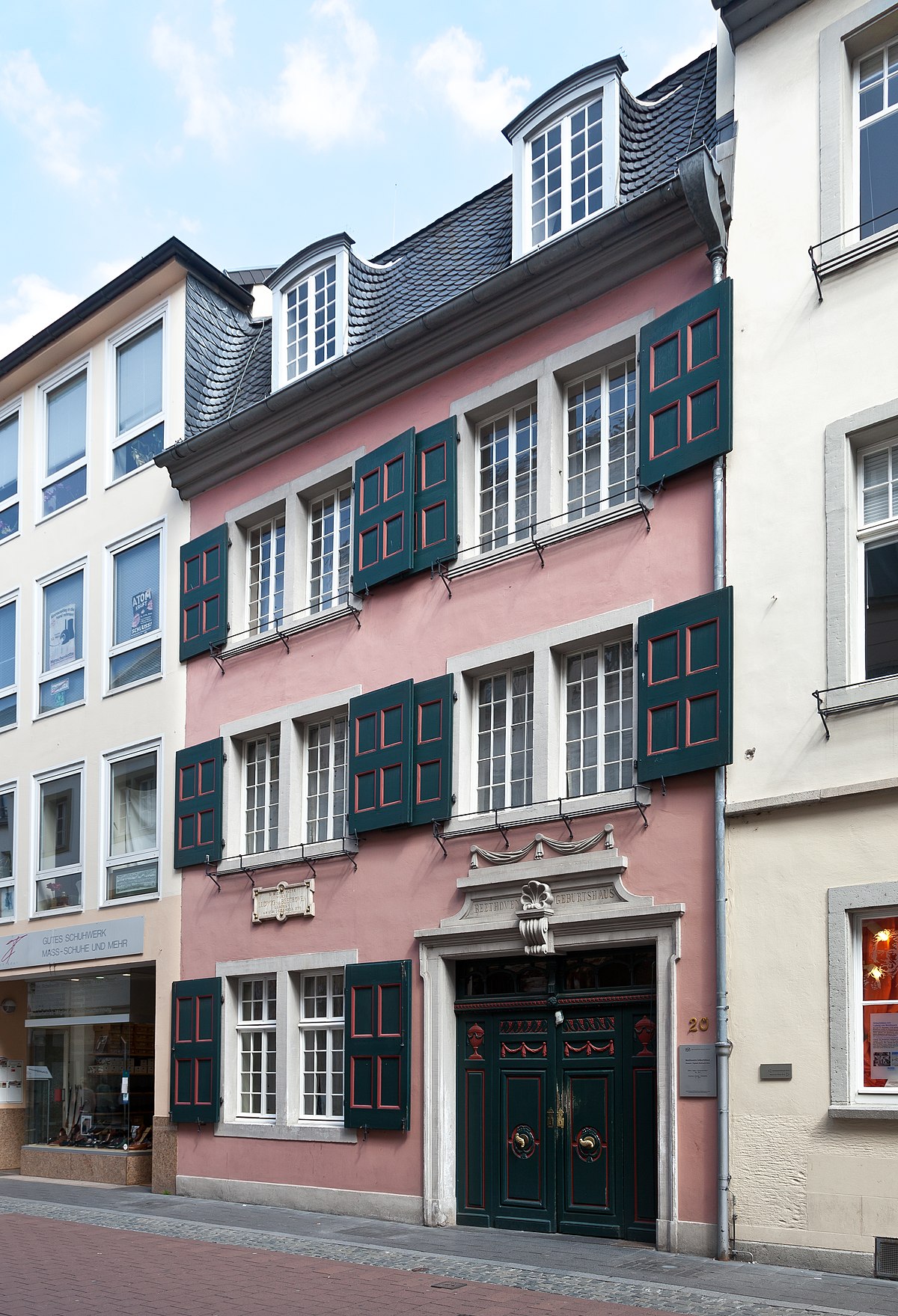
Beethoven House is a celebrated museum and the birthplace of Ludwig van Beethoven, one of the most influential composers in Western music history. …