
Lenbachhaus
Overview
Lenbachhaus, an esteemed art museum located in the heart of Munich, Germany, offers a captivating blend of historical architecture and a diverse collection of artworks. Renowned for its significant contributions to the cultural landscape of the region, this museum houses an impressive array of paintings, sculptures, and contemporary art. As you step into this cultural hub, you are greeted with the legacy of artistic movements that have shaped not only Germany’s but also Europe’s art history. With its origins traced back to the late 19th century, Lenbachhaus stands as an essential destination for art enthusiasts and curious travelers alike.
Situated in Munich, the museum is easily accessible and provides a tranquil setting amidst the bustling city. Visitors can explore both classic and modern works, making it a dynamic space that appeals to a variety of interests. Whether you are an art aficionado or a casual visitor, Lenbachhaus promises an enriching experience that highlights the evolution of artistic expression while inviting reflection on the cultural narratives that inform it.
History and Significance
Lenbachhaus has a storied past that reflects the evolution of art in Munich. Originally established as the residence of the prominent painter Franz von Lenbach in the late 1800s, the building itself is a significant piece of architectural heritage. Lenbach’s own artistic journey and contributions to the art world are intricately tied to the development of the museum. Throughout the years, Lenbachhaus has become a vital institution in preserving and showcasing the works of notable artists, particularly those linked to the Munich School and the Blue Rider movement.
The museum’s collection is particularly significant for its focus on Expressionism, featuring works by leading figures such as Wassily Kandinsky and Paul Klee. This emphasis not only reflects the artistic innovations of the early 20th century but also serves to highlight the cultural and social changes occurring in Germany during that period. Lenbachhaus is more than just a repository for art; it functions as a vibrant educational resource that provides insights into the broader historical context surrounding artistic movements and their impact on society.
Over the years, Lenbachhaus has undergone various renovations and expansions to accommodate its growing collection and enhance visitor experience. The museum’s commitment to contemporary art further solidifies its status as a dynamic institution, fostering dialogue between historical and modern works. This focus on both the past and the present allows visitors to appreciate the continuous thread of artistic expression that connects different eras and styles.
Architecture and Features
The architecture of Lenbachhaus is a blend of historical charm and modern design, making it a visual delight for architecture enthusiasts. The original structure, designed by Franz von Lenbach, showcases elements typical of the Neo-Renaissance style, characterized by its grand facades and elegant detailing. The building is adorned with decorative elements that reflect the artistic sensibilities of the late 19th century, providing a fitting backdrop for the remarkable artworks housed within.
One of the notable features of Lenbachhaus is its spacious galleries, which are thoughtfully designed to accommodate various exhibitions. The layout of the museum allows for a fluid movement through different sections, encouraging visitors to immerse themselves in the diverse collections. Additionally, the integration of modern architectural elements in recent expansions harmonizes with the original structure while enhancing functionality.
The museum’s interior is characterized by high ceilings, natural light pouring in through expansive windows, and open spaces that invite exploration. Visitors can expect a series of thoughtfully curated exhibitions that change regularly, showcasing both the permanent collection and temporary displays. The juxtaposition of historical and contemporary art within the museum’s walls creates a unique atmosphere that fosters artistic appreciation and understanding.
Visiting Information
Visiting Lenbachhaus is a rewarding experience that can easily fit into a day of exploring Munich. The museum is well-connected by public transport, allowing for convenient access from various points in the city. To make the most of your visit, check the official website for current information on opening hours and ticket prices, as these can change.
Plan to spend at least a few hours at Lenbachhaus to fully appreciate the breadth of its collections. The museum offers a range of exhibitions, and delving into the artworks can be an enriching experience. Consider visiting during weekdays or early in the day to avoid larger crowds, allowing for a more intimate exploration of the art.
For those interested in deeper engagement, the museum sometimes offers guided tours that provide additional context and insights into the collections. Be sure to check the official website for any special events or programs that might coincide with your visit.
Nearby Attractions
Lenbachhaus is centrally located, making it easy to explore several nearby attractions in Munich. Here are a few places worth visiting:
Munich Residenz: This former royal palace showcases opulent architecture and art, offering a glimpse into Bavaria’s royal history.
Theresienwiese: Famous for hosting Oktoberfest, this large open space is ideal for a leisurely stroll or a picnic on nice days.
Karlsplatz (Stachus): A bustling square surrounded by shops and cafes, perfect for a break after visiting the museum.
Pinakothek der Moderne: An important modern art museum that complements the collections at Lenbachhaus, focusing on contemporary works and design.
Englischer Garten: One of the largest urban parks in the world, offering picturesque walking paths, beer gardens, and a serene escape from city life.
Insider Tips
To enhance your experience at Lenbachhaus, consider these insider tips:
Photography: Check the museum’s policies on photography before your visit, as restrictions may apply in certain areas.
Crowd Avoidance: Plan your visit during weekdays or early mornings to enjoy a quieter atmosphere, allowing for better engagement with the art.
Guided Tours: If available, consider joining a guided tour for a more in-depth understanding of the exhibits and the museum’s history.
Practical Information
When planning your visit to Lenbachhaus, here are some practical considerations:
What to Bring: Comfortable walking shoes are recommended, as you will likely spend several hours exploring. A light jacket or sweater may be useful, as museum temperatures can vary.
Seasonal Considerations: The museum is open year-round, but visiting in spring or fall may provide a more pleasant experience, as the weather in Munich is generally mild during those times.
Dining Options: Check the official website for information on onsite cafes or nearby dining options where you can enjoy a meal or refreshment after your visit.
Frequently Asked Questions
How long should I spend visiting?
Most visitors find that spending 2-3 hours at Lenbachhaus allows enough time to explore the galleries and appreciate the art on display.
Is photography allowed?
Photography policies can vary, so it’s best to check the museum’s guidelines upon arrival to understand what is permissible.
Are there guided tours?
Yes, guided tours may be offered at specific times. Check the official website for details on scheduling and availability.
What’s the best time to visit?
Weekdays, particularly in the morning, are generally less crowded, offering a more relaxed environment for viewing the art.
Is it wheelchair accessible?
Lenbachhaus is committed to accessibility and provides facilities for visitors with mobility challenges. For specific details, consult the official website.
Can I buy tickets online?
Yes, tickets can usually be purchased online, allowing for a smoother entry on the day of your visit.
Are there restrooms and cafes?
Yes, the museum is equipped with restrooms, and there may be a café or snack bar available for visitors.
What should I wear?
Wear comfortable clothing and shoes, as you will be walking and standing while exploring the museum. Dress in layers to adjust to varying temperatures indoors.
Exploring Lenbachhaus offers a unique opportunity to engage with art and history in a meaningful way. Whether you are a seasoned art lover or a curious traveler, the museum promises a memorable experience that resonates long after your visit.
Location
More in Bavaria

8. November 1939 (Denkmal)
📍 Bavaria, Germany
The 8. November 1939 (Denkmal) stands as a poignant monument in Munich, Germany, marking a significant moment in the nation’s history. Dedicated to …

Abbey of St. Nikola in Passau
📍 Bavaria, Germany
The Abbey of St. Nikola in Passau stands as a significant religious and cultural landmark in this historic German city. Located at coordinates …

Abensbergerdenkmal
📍 Bavaria, Germany
The Abensbergerdenkmal, a notable monument located in Freising, Upper Bavaria, Germany, serves as an evocative reminder of the region’s historical and …
Abrechen (München)
📍 Bavaria, Germany
Abrechen in München is a bridge that plays a significant role in the connectivity of this bustling German city. Located at coordinates 48.1357, …
Abschnittsbefestigung Andechs
📍 Bavaria, Germany
The Abschnittsbefestigung Andechs, a striking castle located in the scenic region of Andechs, Germany, offers a fascinating glimpse into the …
Abschnittsbefestigung im Taitinger Holz
📍 Bavaria, Germany
The Abschnittsbefestigung im Taitinger Holz represents an intriguing chapter in Germany’s medieval architectural narrative. Located in Bavaria, this …
More Art Museums

Aachen Cathedral Treasury
📍 North Rhine-Westphalia, Germany
Aachen Cathedral Treasury, located in the historic city of Aachen, Germany, is a remarkable art museum that houses an impressive collection of …

Abteiberg Museum
📍 North Rhine-Westphalia, Germany
In the heart of Mönchengladbach, Germany, the Abteiberg Museum stands out as a prominent destination for art enthusiasts and cultural explorers alike. …

Akademisches Kunstmuseum
📍 North Rhine-Westphalia, Germany
In the heart of Bonn, Germany, lies the Akademisches Kunstmuseum, an art museum that invites visitors to explore a diverse collection of artworks …

Albertinum
📍 Saxony, Germany
Albertinum is a prominent art museum located in the heart of Dresden, Germany, serving as a significant cultural institution in the region. …

Albrecht Dürer's House
📍 Bavaria, Germany
Albrecht Dürer’s House stands as a significant cultural landmark in Nuremberg, Germany, celebrating the life and work of one of the Renaissance’s most …
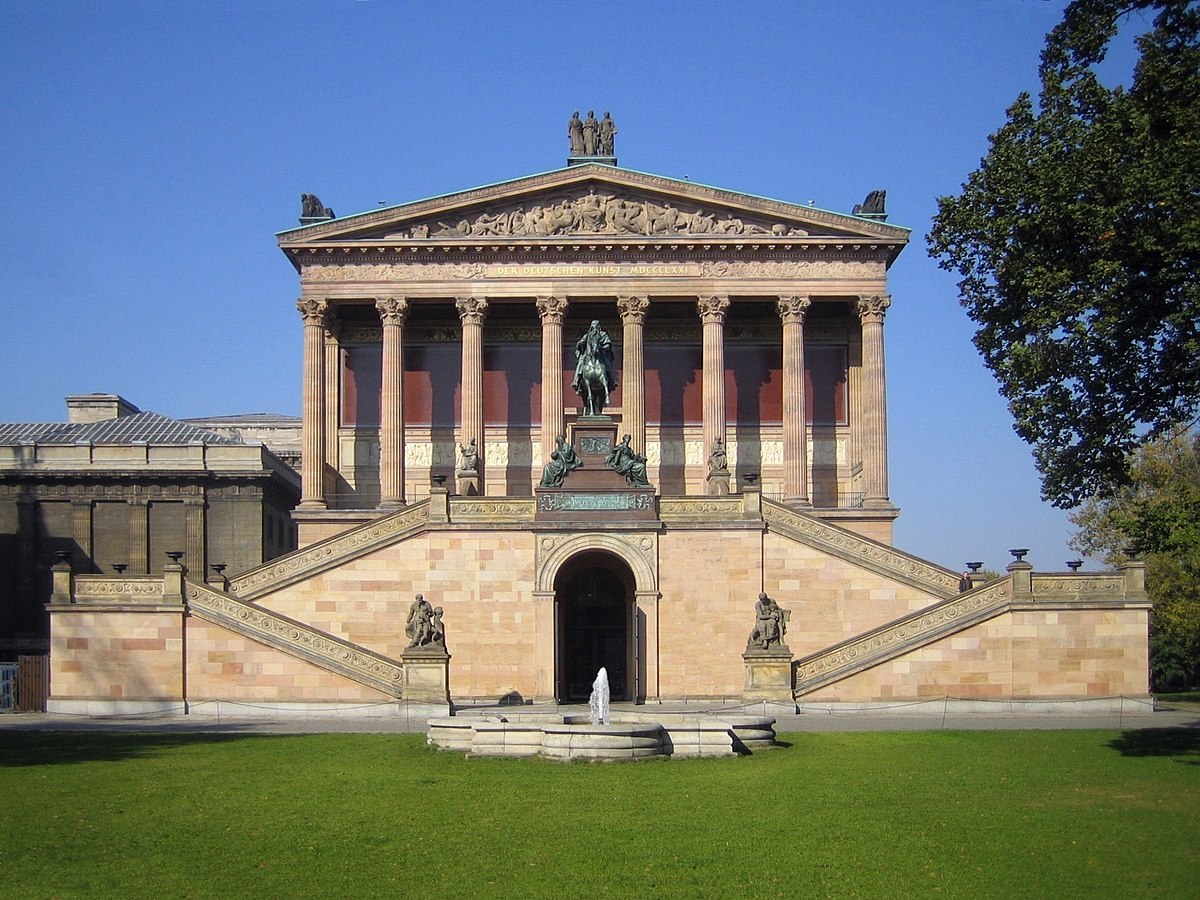
Alte Nationalgalerie
📍 Berlin, Germany
The Alte Nationalgalerie, an esteemed art museum located in Berlin’s Bezirk Mitte, is a cornerstone of cultural appreciation in Germany. This museum …