Overview
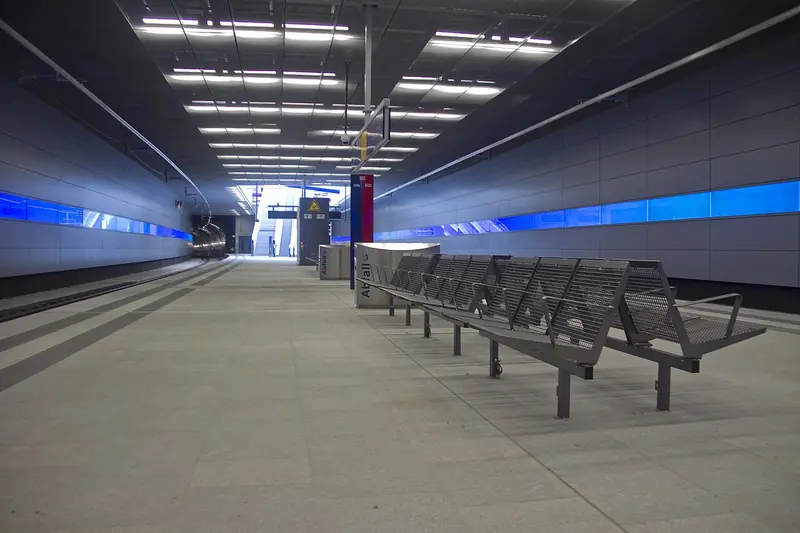
Leipzig Bayerischer Bahnhof is an intriguing piece of Germany’s railway heritage, situated in the vibrant city of Leipzig. This historic railway station, which serves as an S-Bahn halt, reflects the evolution of transportation infrastructure in the region. With its roots deeply embedded in the city’s development, the station is not merely a transit point but a symbol of Leipzig’s connectivity and industrial progress. As you approach, the station’s architecture and historical significance invite exploration, offering a glimpse into the past while serving modern travel needs.
Leipzig, located in the east of Germany, is renowned for its rich cultural scene and historical significance. The Bayerischer Bahnhof adds to this narrative as one of the city’s important transport hubs. The station is not only functional but also represents a broader story of railway expansion in the German territories. Visitors to Leipzig will find that a stop at the Bayerischer Bahnhof is both practical for travel and enriching in terms of understanding the city’s historical context.
History and Significance
Leipzig Bayerischer Bahnhof has played a notable role in the city’s transportation landscape. Its establishment reflects the significant growth of railway networks in Germany during the 19th century, allowing for increased mobility and trade. As an S-Bahn halt, it facilitates local travel, connecting residents and visitors alike to various parts of the city and beyond.
The station’s importance can be traced through its contributions to Leipzig’s economic development. The railway industry was instrumental in transforming Leipzig into a bustling trade center, particularly during the industrial era. The Bayerischer Bahnhof, while not the oldest station in the city, is a vital link in the story of how railways shaped urban life and commerce in the region. Its ongoing operation also highlights the continued relevance of railway travel in modern Germany.
Throughout its history, the station has seen various upgrades and renovations to meet the evolving needs of travelers. While many historic stations have succumbed to modernization pressures, Leipzig Bayerischer Bahnhof has maintained its character, showcasing the balance between preserving heritage and accommodating contemporary transport demands. As such, it serves as an essential landmark for those interested in the interplay of history and modernity in urban infrastructure.
Architecture and Features
The architectural design of Leipzig Bayerischer Bahnhof reflects a blend of functionality and historical aesthetics. Characterized by its robust structure, the station is a testament to the engineering capabilities of its time. While specific architectural details may not be documented here, stations like Bayerischer Bahnhof typically feature grand entryways and platforms designed for efficiency and passenger comfort.
The station’s layout is designed to facilitate smooth transit for passengers, with clear signage and accessible pathways. Such features are essential for a location that serves as a critical junction in the city’s transportation network. The design considerations demonstrate an understanding of passenger flow and the need for a welcoming environment.
Visitors can appreciate the station’s exterior, complete with elements that hint at its historical significance while accommodating modern travelers. As with many railway stations, the combination of practicality and aesthetic appeal ensures that it remains a functional part of the city’s infrastructure. The overall experience of passing through or waiting at the Bayerischer Bahnhof is enhanced by its historical context, making it more than just a stop on a journey.
Visiting Information
When planning a visit to Leipzig Bayerischer Bahnhof, it is advisable to check the official website for current information regarding operating hours and ticket prices. The station is well integrated into the city’s broader public transport network, making it easily accessible by various means of transportation, including buses and trams.
Typically, visitors should allow a short visit to the station unless they are planning to explore surrounding areas or catch a train. The station’s location serves as a convenient starting point for further exploration of Leipzig. The best times to visit are usually during weekdays when local commuters are less crowded, allowing for a more relaxed experience.
Expect a blend of local commuters and tourists, particularly during peak travel hours. Engaging with the station’s atmosphere can be enriching, as it provides insight into the daily lives of Leipzig’s residents. Given its significance, the station is often frequented, so timing your visit can enhance your experience.
Nearby Attractions
Leipzig Museum of Fine Arts (Museum der bildenden Künste): A short distance from the station, this museum houses an impressive collection of artworks spanning several centuries, making it a cultural highlight of the city.
The Old Town Hall (Altes Rathaus): Located nearby, this historic building offers a glimpse into the city’s governance and showcases stunning architecture, inviting visitors to explore its rich history.
St. Thomas Church (Thomaskirche): A significant landmark in Leipzig, this church is famous for its association with Johann Sebastian Bach and offers a serene atmosphere for reflection.
Bach Museum: Just a short walk away, this museum is dedicated to the life and work of Bach, providing insights into his influence on music and culture in Leipzig.
Leipzig Botanical Garden: A bit further out but reachable via public transport, this garden is a peaceful retreat with a diverse array of plant species, perfect for a leisurely stroll.
Insider Tips
For those looking to capture the essence of Leipzig Bayerischer Bahnhof through photography, visiting during early morning or late afternoon can provide softer lighting and fewer crowds. The architecture can be particularly striking during these times.
To avoid crowds, consider visiting during weekdays rather than weekends, as the station can become busier with local commuters and tourists. If you plan to catch a train or simply enjoy the ambiance, arriving during off-peak hours can enhance your experience.
Practical Information
When visiting Leipzig Bayerischer Bahnhof, it’s advisable to bring along essentials such as a valid ticket for travel, a camera for photography, and perhaps a water bottle to stay hydrated. Given that the station serves as a transit point, facilities may be limited, so plan accordingly.
Seasonal considerations are also important; be aware of the local weather conditions as they can affect travel plans. Leipzig experiences a temperate seasonal climate, so dress appropriately for the time of year, ensuring comfort whether traveling through the station or exploring the surrounding city.
Frequently Asked Questions
How long should I spend visiting?
A brief visit of about 30 minutes to an hour is typically sufficient unless you plan to explore the surrounding attractions.
Is photography allowed?
Yes, photography is generally permitted in the station. However, it’s advisable to be respectful of other travelers and avoid using flash.
Are there guided tours?
Currently, there are no specific guided tours for Leipzig Bayerischer Bahnhof, but local tours may include the station as part of broader city explorations.
What’s the best time to visit?
Visiting during weekdays or off-peak hours is recommended to avoid the rush and enjoy a quieter atmosphere.
Is it wheelchair accessible?
The station is designed to accommodate passengers with mobility challenges. Specific accessibility features should be confirmed via the official website.
Can I buy tickets online?
Check the official website for information regarding the availability of online ticket purchases and any associated services.
Are there restrooms and cafes?
Facilities such as restrooms are typically available, but check the station for specific amenities, including cafes or food options.
What should I wear?
Dress comfortably for travel, keeping in mind the local climate and the nature of your visit to the station and surrounding areas.



