Lauta Mining Landscape
Overview
The Lauta Mining Landscape, located in the Marienberg region of Germany, is an intriguing cultural landscape that reveals the historical significance of mining activities in the area. This UNESCO World Heritage site is a testament to the evolution of mining technology and its impact on the local community and environment. Spanning a diverse terrain shaped by centuries of extraction, it offers visitors a unique insight into the relationship between industry and society. With its rich history and cultural importance, the Lauta Mining Landscape invites exploration and appreciation of the industrial legacy that has shaped the region’s identity.
While visiting, you can expect to engage with an environment that reflects the disciplined interplay of nature and human endeavor. The landscape is characterized by remnants of mining operations, which tell stories of the past and provide a window into the technological advancements that occurred over time. As you wander through the site, you will discover the nuances of how mining influenced local development and contributed to the broader narrative of industrialization in Europe.
History and Significance
The Lauta Mining Landscape holds a significant place in the history of mining in Germany. The region has been shaped by centuries of extraction activities that have evolved from rudimentary techniques to advanced mining practices. This transformation is evident in the remnants and structures that can still be seen throughout the landscape.
The cultural importance of the Lauta Mining Landscape extends beyond its physical remnants; it reflects the socio-economic dynamics that arose from mining activities. The development of mining technology and infrastructure brought prosperity to the area, attracting workers and their families. This influx led to the establishment of communities that were intricately linked to the mining industry. The cultural identity of the region has been influenced significantly by these historical events, showcasing how industrial activities can shape societal structures.
The landscape’s designation as a World Heritage site underscores its value not only to Germany but to the global narrative of industrial heritage. It provides a framework for understanding the historical context of mining and its impact on the environment and local populations. The Lauta Mining Landscape serves as a reminder of the delicate balance between industrial progress and environmental stewardship, making it a critical site for education and reflection.
Architecture and Features
The Lauta Mining Landscape is characterized by its diverse range of architectural and industrial features that reflect the evolution of mining practices over the years. Visitors will find an array of structures and remnants that provide insight into both the operational aspects of mining and the daily lives of those who worked within the industry.
Among the notable features are the old mining shafts and pit heads that dot the landscape, signifying the sites of once-thriving mining operations. These structures are often accompanied by remnants of machinery that were used in extraction processes, showcasing the technological advancements that were made throughout the years. The architecture of the buildings, including workers’ housing and administrative structures, offers a glimpse into the lifestyle of mining communities and their reliance on the industry for livelihood.
Additionally, the landscape is marked by the environmental changes brought about by mining activities. The areas around former mines have been shaped by years of excavation and resource extraction, creating a unique topography that tells a story of human intervention in the natural world. This juxtaposition of industrial heritage and natural landscape enhances the site’s cultural significance, making it a fascinating place to explore.
Visiting Information
Visiting the Lauta Mining Landscape can be an enriching experience, allowing you to immerse yourself in the region’s industrial heritage. Accessing the site is relatively straightforward, with various transportation options available. Visitors can reach the area by car or public transport; however, specific details on routes and schedules might vary. Check the official website for current information on transport options.
When planning your visit, it’s essential to check the official website for hours of operation and any potential entrance fees. It is advisable to allocate a few hours for your exploration to fully appreciate the landscape and its features. Typically, the best times to visit are during the spring and early autumn months when the weather is mild, making outdoor exploration more enjoyable.
Expect to engage with the landscape through walking paths and viewing areas that allow for a closer look at the mining remnants. Depending on the time of year, you may also encounter guided tours that provide deeper insights into the history and significance of the site.
Nearby Attractions
While visiting the Lauta Mining Landscape, consider exploring some nearby attractions that complement your experience:
Marienberg: This nearby town offers historical sites, including the Marienberg Castle, which provides panoramic views and insights into the region’s history.
Chemnitz: A short drive away, Chemnitz features a bustling urban environment rich in culture, with museums and galleries dedicated to both local and industrial art.
Erzgebirge: This mountain range is known for its hiking trails and traditional crafts, providing an excellent opportunity to engage with the natural beauty of the region.
Freiberg: Renowned for its mining history, Freiberg offers museums and tours that delve into the region’s mining heritage, making it a fitting addition to your itinerary.
Zschopau River Valley: Ideal for nature lovers, this area offers scenic walks and bike trails along the river, providing a contrast to the industrial landscape.
Insider Tips
To make the most of your visit to the Lauta Mining Landscape, consider the following tips:
Photography: The site offers numerous opportunities for photography, particularly around the mining structures. Early morning or late afternoon light can provide excellent conditions for capturing the landscape.
Crowd Avoidance: To avoid larger crowds, aim to visit during weekdays or during off-peak seasons. Early morning visits can also provide a quieter experience.
Guided Tours: If available, join a guided tour for a more in-depth understanding of the site’s history and significance. Guides often share stories and insights that enrich the experience.
Practical Information
Preparing for your visit to the Lauta Mining Landscape involves considering a few practical aspects:
What to Bring: Comfortable walking shoes are essential, as exploring the landscape may involve walking on uneven terrain. A water bottle and snacks are also recommended, especially if you plan to spend an extended period at the site.
Seasonal Considerations: Be mindful of the weather conditions during your visit. Spring and autumn typically offer pleasant temperatures, while summer can be warm. Check the forecast and dress accordingly, layering clothing if necessary.
Facilities: It’s advisable to check for restroom availability and nearby cafes or restaurants for meals and refreshments.
Frequently Asked Questions
How long should I spend visiting?
A visit typically takes a few hours, depending on your level of interest and whether you choose to participate in guided tours.
Is photography allowed?
Yes, photography is generally permitted. However, be respectful of any signs indicating restricted areas.
Are there guided tours?
Guided tours may be available. Check the official website for details on scheduling and availability.
What’s the best time to visit?
Spring and early autumn are often considered the best times due to mild weather conditions. Weekdays tend to be less crowded.
Is it wheelchair accessible?
Information on accessibility may vary. Check the official website for specific details regarding wheelchair access.
Can I buy tickets online?
Ticket purchasing options may vary; check the official website for current information on online sales.
Are there restrooms and cafes?
Facilities may be limited; check the official website for details on restroom availability and dining options.
What should I wear?
Wear comfortable clothing suited for walking and outdoor exploration. Consider layering for variable weather conditions.
More in Saxony

6. Grundschule "Am Großen Garten"
📍 Saxony, Germany
The 6. Grundschule “Am Großen Garten” stands as a significant educational institution in Dresden, Germany, embodying the principles of early childhood …

Albertinum
📍 Saxony, Germany
Albertinum is a prominent art museum located in the heart of Dresden, Germany, serving as a significant cultural institution in the region. …

All Saints Church, Dresden
📍 Saxony, Germany
All Saints Church, located in the vibrant city of Dresden, Germany, is a remarkable church building that captures the essence of the region’s …

Altarstein (Saxon Switzerland)
📍 Saxony, Germany
Altarstein, located in the picturesque region of Saxon Switzerland, Germany, is a captivating monument that draws visitors into its historical …

Alte Nikolaischule (Leipzig)
📍 Saxony, Germany
Alte Nikolaischule, located in the heart of Leipzig, Germany, is a significant educational institution with a rich heritage. Founded as a school, it …
Alte Schulbrücke Oberbobritzsch
📍 Saxony, Germany
The Alte Schulbrücke Oberbobritzsch is a striking bridge situated in the Bobritzsch-Hilbersdorf region of Germany. This structure serves not only as a …
More Cultural Landscapes

Altes Land
📍 Lower Saxony, Germany
Altes Land, located in northern Germany, is a remarkable cultural landscape that reflects the unique agricultural heritage and traditional practices …

Altmark
📍 Brandenburg, Germany
The Altmark region, located in the northwestern part of Saxony-Anhalt, Germany, offers a unique glimpse into a cultural landscape shaped by centuries …
Annaberg-Frohnau Mining Landscape
📍 Bavaria, Germany
The Annaberg-Frohnau Mining Landscape, located in Germany, represents a significant chapter in the story of European industrial heritage. This …
Buchholz Mining Landscape
📍 Bavaria, Germany
The Buchholz Mining Landscape, located in Germany, is a remarkable cultural landscape that offers a glimpse into the historical significance of mining …
Dresden Elbe Valley
📍 Saxony, Germany
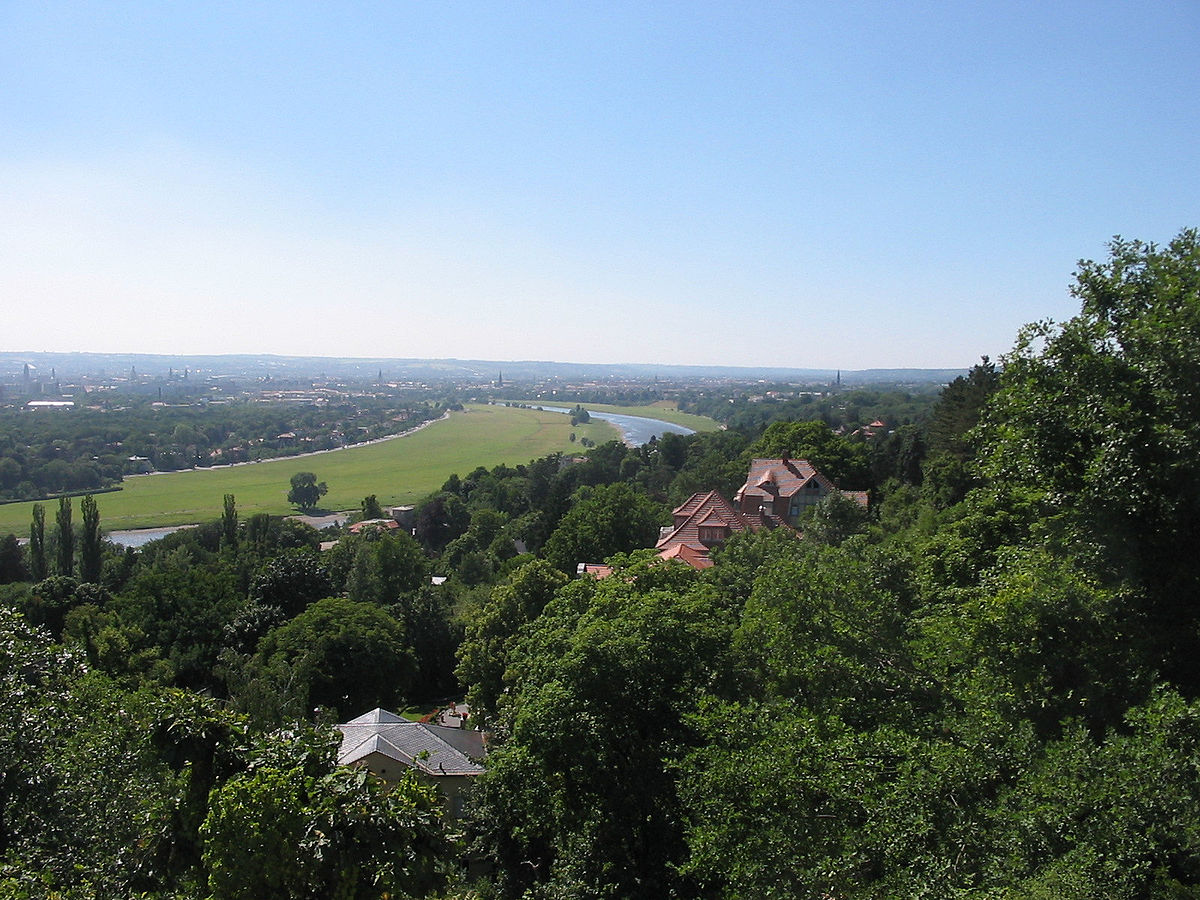
The Dresden Elbe Valley, a UNESCO World Heritage Site, is a cultural landscape that reflects the rich historical and artistic heritage of Saxony, …
Ehrenfriedersdorf Mining Landscape
📍 Saxony, Germany
The Ehrenfriedersdorf Mining Landscape, a significant cultural landscape in Germany, invites visitors to explore a rich history of mining that has …