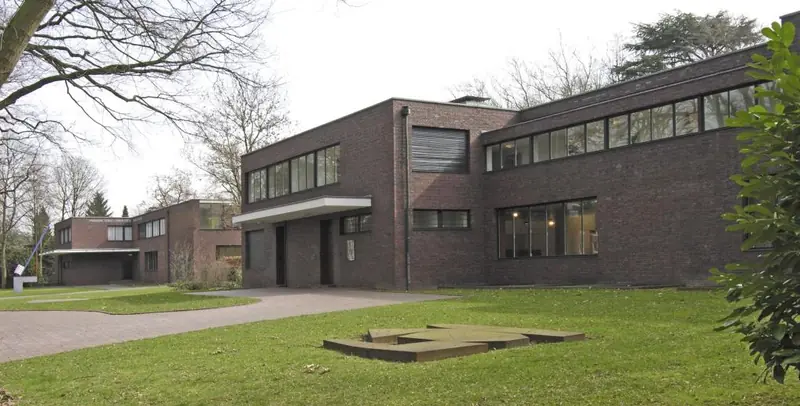
Overview
The Lange and Esters houses, located in Krefeld, Germany, serve as a profound representation of modernist architecture, designed by the acclaimed architect Ludwig Mies van der Rohe for two influential industrialists, Hermann Lange and Josef Esters. These residential structures illustrate the innovative spirit of the Bauhaus movement and reflect the socio-economic changes of early 20th-century Germany. As you step into these meticulously crafted homes, you will encounter a unique blend of functionality and aesthetics that not only defines the architectural principles of the time but also offers insight into the lives of the industrial elite who commissioned them.
The significance of the Lange and Esters houses extends beyond their architectural merit; they are vital cultural landmarks that showcase the evolution of residential design and the integration of art into everyday living. The clean lines, expansive glass facades, and open floor plans embody Mies van der Rohe’s philosophy of simplicity and clarity, making these houses a pivotal study for both architecture enthusiasts and historians alike.
Visitors to Krefeld will find the Lange and Esters houses to be an enriching experience, allowing them to engage with a significant aspect of Germany’s architectural heritage. The site offers an opportunity to appreciate not just the structures themselves, but also the broader narrative of modernism that they represent.
History and Significance
The Lange and Esters houses were designed during a transformative period in Germany’s architectural landscape, characterized by a move towards modernism. Ludwig Mies van der Rohe, a pivotal figure in this movement, was commissioned by Hermann Lange and Josef Esters to create residences that would epitomize contemporary living while reflecting their status as leading industrialists in the community.
The significance of these houses lies not only in their design but also in their role within the context of Krefeld’s industrial heritage. Krefeld, known for its textile industry, was a thriving hub during the early 20th century, and the houses are a physical manifestation of the wealth and ambitions of its industrial leaders. Mies van der Rohe’s approach to architecture emphasized the relationship between the building and its environment, prioritizing functionality and the integration of indoor and outdoor spaces. This is particularly evident in the way natural light floods the interiors, creating an inviting atmosphere.
The Lange and Esters houses have garnered recognition not just for their architectural excellence but also for their cultural significance. They demonstrate the innovative use of materials and space that became hallmarks of modernist architecture, influencing subsequent generations of architects. As such, they are a vital part of Germany’s architectural narrative and continue to attract scholars, students, and tourists interested in the evolution of design.
In recent years, efforts to preserve and promote these houses have underscored their importance in architectural history. They are not merely relics of the past but active sites of cultural engagement, showcasing how architecture can reflect societal values and aspirations.
Architecture and Features
The architectural design of the Lange and Esters houses is emblematic of Mies van der Rohe’s minimalist aesthetic, characterized by a focus on clean lines and open spaces. Each house features flat roofs and large glass walls, creating a seamless connection between the indoors and outdoors. This design philosophy not only enhances the visual appeal of the structures but also allows for an abundance of natural light, contributing to a sense of openness.
Both houses are distinguished by their use of high-quality materials, including steel and glass, which are integral to their modernist identity. The use of these materials reflects Mies van der Rohe’s belief in the beauty of industrial components, challenging traditional notions of luxury in architecture. The interiors are designed with a focus on functionality, featuring open floor plans that encourage flexibility in living spaces.
Noteworthy architectural features include the careful consideration of proportions and the relationship between various elements within the houses. For instance, the arrangement of spaces is designed to enhance movement and interaction, while the exterior facades allow for striking visual perspectives that change throughout the day as light interacts with the glass surfaces.
Visitors can also appreciate the landscaping that surrounds the houses, which is thoughtfully integrated into the overall design. This attention to outdoor space further exemplifies Mies van der Rohe’s holistic approach to architecture, where every element is harmoniously connected.
Visiting Information
When planning a visit to the Lange and Esters houses, there are a few key considerations to keep in mind. The site is accessible via public transport, and the surrounding area is conducive to walking, making it easy to explore the neighborhood. Visitors are encouraged to check the official website for information on current hours and ticket prices, as these can vary.
The experience at the Lange and Esters houses typically lasts about one to two hours, allowing ample time for exploration and reflection. Guided tours may be available, providing deeper insights into the architectural significance and historical context of the houses.
The best times to visit are during the spring and autumn months when the weather is mild and conducive to outdoor exploration. However, visitors should be prepared for varying conditions, so it is advisable to dress in layers and be equipped for changes in the weather.
While visiting, guests can expect to engage with knowledgeable staff who can answer questions and provide context about the architecture and its historical significance. The environment is generally tranquil, allowing for thoughtful appreciation of the space.
Nearby Attractions
Krefeld offers a variety of attractions that complement a visit to the Lange and Esters houses. Consider exploring the following nearby sites:
Museum Haus Lange and Haus Esters: Directly related to the Lange and Esters houses, this museum showcases contemporary art and exhibitions, further enriching your understanding of the region’s cultural landscape.
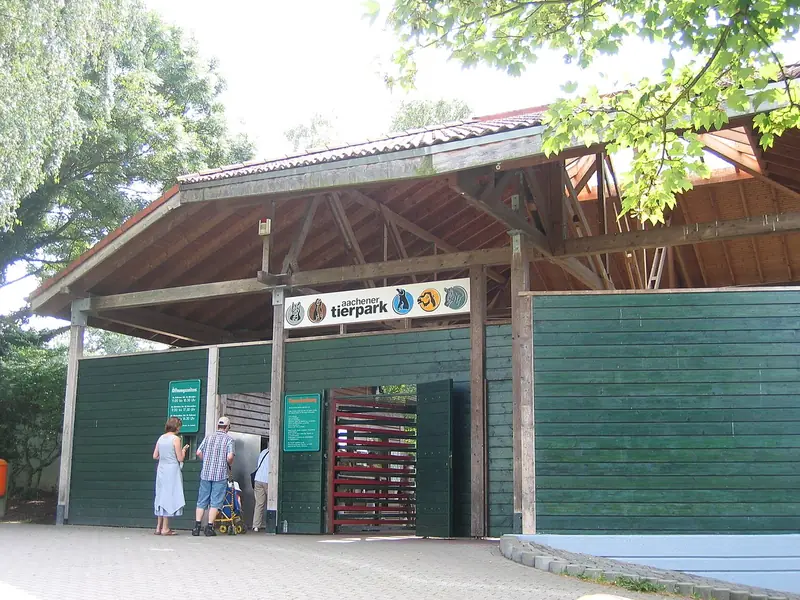
Krefeld Zoo: A family-friendly destination, the zoo features a diverse array of animal species and beautiful gardens, making it a pleasant place for a leisurely stroll.
Burg Linn: This historical site features a medieval castle surrounded by picturesque parkland, providing a contrast to the modernist architecture of the Lange and Esters houses.
Krefeld Botanical Garden: A serene escape, the botanical garden offers a variety of plant species and themed gardens, ideal for those seeking a peaceful environment.
Krefeld City Museum: Delve deeper into the local history and culture at this museum, which features exhibits on the city’s industrial past and artistic heritage.
Insider Tips
To make the most of your visit to the Lange and Esters houses, consider the following insider tips:
Photography: While photography is permitted, be mindful of the interior spaces and the privacy of other visitors. Early mornings or late afternoons can provide the best natural light for exterior shots.
Crowd Avoidance: To enjoy a quieter experience, visit during weekdays or during off-peak seasons. Mornings are typically less crowded than afternoons.
Practical Information
Before setting out for the Lange and Esters houses, here are some practical considerations:
What to Bring: Comfortable walking shoes are recommended, as the site and surrounding area may involve some walking. A camera or smartphone for capturing the architecture is also advisable.
Seasonal Considerations: The houses can be visited year-round, but seasonal changes may affect the surrounding gardens and outdoor ambiance. Spring and summer are particularly pleasant for enjoying the outdoor spaces.
Frequently Asked Questions
How long should I spend visiting?
A visit typically lasts between one to two hours, allowing enough time to explore the houses and absorb the architectural details.
Is photography allowed?
Yes, photography is permitted, but be respectful of other visitors and the interior spaces.
Are there guided tours?
Guided tours may be available; check the official website for details and scheduling.
What’s the best time to visit?
Spring and autumn provide mild weather, making them ideal for visiting, but check for any special events that may enhance your experience.
Is it wheelchair accessible?
Accessibility information can vary, so it’s best to check the official website for specific details regarding access.
Can I buy tickets online?
Check the official website for information on ticket purchasing options, including online availability.
Are there restrooms and cafes?
Facilities may be available on-site or nearby; check the official website for the most current information.
What should I wear?
Dress comfortably and in layers to accommodate changing weather conditions, especially if you plan to spend time outdoors.