Overview
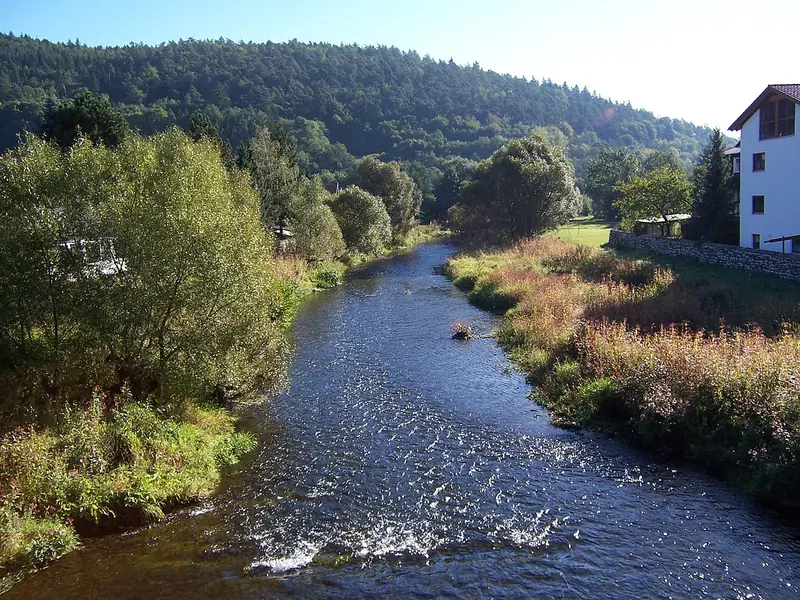
The Lahn River, a significant right tributary of the Rhine River in Germany, meanders through a picturesque landscape shaped by both natural beauty and human history. Originating in the mountainous regions of the Sauerland, the Lahn flows for approximately 245 kilometers, carving its path through charming towns and lush valleys before joining the mighty Rhine. This river is more than just a waterway; it serves as an artery for recreation, culture, and economic activities in the region. Visitors to the Lahn are treated to a serene environment where outdoor activities abound, including hiking, cycling, and boating, all set against a backdrop of historical towns and scenic vistas.
The Lahn’s cultural significance is underscored by its connection to several key cities, including Marburg and Wetzlar, both of which played vital roles in the Middle Ages. With its rich history intertwined with the development of trade routes, the Lahn has shaped the economic and social fabric of the surrounding areas. Beyond its commercial importance, the river offers a window into the natural world, making it a popular destination for nature enthusiasts and history buffs alike.
History and Significance
The history of the Lahn River is deeply intertwined with the evolution of the regions it traverses. As a conduit for trade and transportation, the Lahn facilitated economic growth in the Middle Ages, enabling the movement of goods and people. Its banks are dotted with towns that have historical significance, where architecture reflects various periods from medieval to modern times.
Marburg, for instance, is renowned for its university, which is one of the oldest in Germany, founded in 1527. This educational institution has attracted scholars and students through the centuries, contributing to the town’s vibrant culture. Similarly, Wetzlar, another town along the Lahn, boasts a rich history, particularly noted for its influence during the Holy Roman Empire. The Lahn also played a role in the development of the region’s iron and glass industries, serving as a vital transportation route for raw materials.
The river’s banks have not only been shaped by human activity but also by the natural processes that have occurred over millennia. The Lahn Valley is characterized by its limestone cliffs, dense forests, and diverse flora and fauna, which contribute to the ecological significance of the area. The interplay between the natural environment and human settlement along the Lahn has created a unique cultural landscape that continues to evolve.
Architecture and Features
The Lahn River is flanked by a variety of architectural styles that reflect the historical richness of the region. The towns along the river are characterized by half-timbered houses, medieval castles, and impressive churches. Notable structures include the Landgrafenschloss in Marburg, a castle that offers a glimpse into the architectural styles from the 13th century onward. The castle is not just a historical site but also provides panoramic views of the surrounding landscape, enhancing its allure.
Wetzlar is home to the cathedral of St. Bartholomew, a striking example of Gothic architecture. This cathedral stands as a central landmark in the town and is a testament to the craftsmanship of the era. The old town area, with its cobblestone streets and historic buildings, provides visitors with a sense of connection to the past.
The natural features of the Lahn are equally captivating. The river flows through a diverse landscape that includes wooded areas, steep banks, and serene valleys. The surrounding countryside is ideal for outdoor activities such as hiking and cycling, with numerous trails that offer different perspectives of the river and its environment. The combination of historical architecture and natural beauty makes the Lahn a compelling destination for visitors.
Visiting Information
Traveling to the Lahn River offers a variety of experiences, from leisurely strolls along the riverbank to more active pursuits like kayaking and cycling. The river is accessible by various means of transport, with nearby towns such as Marburg and Wetzlar well-connected by public transit. Visitors can easily reach the river by train, bus, or even by car, making it a convenient destination for day trips or longer stays.
For those wishing to explore the area, it is advisable to check the official website for current information on hours and prices for specific attractions along the river. The best times to visit the Lahn are during the spring and summer months when the weather is generally mild, and outdoor activities are more enjoyable. Visitors can expect to spend a few hours to a full day exploring the river and its surroundings, depending on their interests.
In addition to the natural beauty and historical significance, the Lahn offers a range of amenities for visitors, including picnic areas and walking paths. Many towns along the river have cafes and restaurants where travelers can sample local cuisine, providing a delightful way to experience the culture of the region.
Nearby Attractions
While the Lahn River itself is a major draw, several nearby attractions enhance the experience for visitors.
Marburg: This historic town is not only known for its university but also for its charming medieval architecture and vibrant student life. The old town, with its narrow streets and half-timbered houses, is perfect for a leisurely exploration.
Wetzlar: Another key town along the Lahn, Wetzlar, features the impressive St. Bartholomew Cathedral and a bustling marketplace. Visitors can enjoy walking tours that highlight the town’s rich history.
Lahnau: This small town offers various recreational activities along the river, including cycling and walking paths that are perfect for nature lovers.
Castle of Gleiberg: Just a short distance from the Lahn, this castle offers stunning views and a glimpse into medieval fortifications.
Nature Parks: The surrounding areas feature numerous nature parks where visitors can engage in hiking, bird-watching, and other outdoor activities, allowing for an immersive experience in the natural environment.
Insider Tips
To capture the essence of the Lahn, consider bringing a camera with a zoom lens, particularly if you wish to photograph the architecture and landscapes from a distance. Early mornings or late afternoons are ideal for photography, as the light creates softer shadows and enhances the colors of the scenery.
For those looking to avoid crowds, weekdays are typically quieter than weekends, especially in popular towns like Marburg and Wetzlar. Plan your visits during off-peak hours to enjoy a more tranquil experience along the river.
Practical Information
When planning a visit to the Lahn River, it’s advisable to bring comfortable walking shoes, as many of the best experiences involve exploring on foot. A light jacket or sweater might be necessary, especially in the evenings when temperatures can drop.
The region experiences a temperate climate, with warm summers and cool winters, making it suitable for year-round visits. However, spring and summer are particularly appealing for outdoor activities.
Additionally, consider packing a picnic to enjoy by the riverbanks, as several scenic spots provide a peaceful atmosphere for relaxation.
Frequently Asked Questions
How long should I spend visiting?
A day is typically sufficient to explore key towns and enjoy outdoor activities along the river. However, extending your visit allows for a deeper appreciation of the area’s rich culture and history.
Is photography allowed?
Yes, photography is generally allowed along the river and in towns. Be mindful of private properties and always ask for permission when photographing individuals.
Are there guided tours?
While specific guided tours may be available in towns like Marburg and Wetzlar, it’s best to check local resources for current offerings.
What’s the best time to visit?
The best times to visit are in spring and summer when the weather is pleasant and outdoor activities are in full swing.
Is it wheelchair accessible?
Accessibility varies by location; some areas may have suitable paths while others might present challenges. It’s advisable to check specific sites for accessibility information.
Can I buy tickets online?
Check the official websites of attractions for details on ticket purchases and availability.
Are there restrooms and cafes?
Many towns along the Lahn provide public restrooms and cafes; however, availability may vary, so planning ahead is recommended.
What should I wear?
Comfortable, weather-appropriate clothing is recommended, along with sturdy shoes for walking and outdoor activities.
The Lahn River offers a blend of natural beauty and historical significance, making it a captivating destination for all types of travelers. Whether you’re drawn by the lure of outdoor activities or the rich tapestry of culture and history, the Lahn promises a rewarding experience.



